
Last updated September 23, 2026
Free visual inspection and a written scope of work before any mitigation begins - photos, moisture readings, and drying logs go in your claim file
The scope we write is the scope we bill. Anything new gets shown to you, in writing, before we touch it.
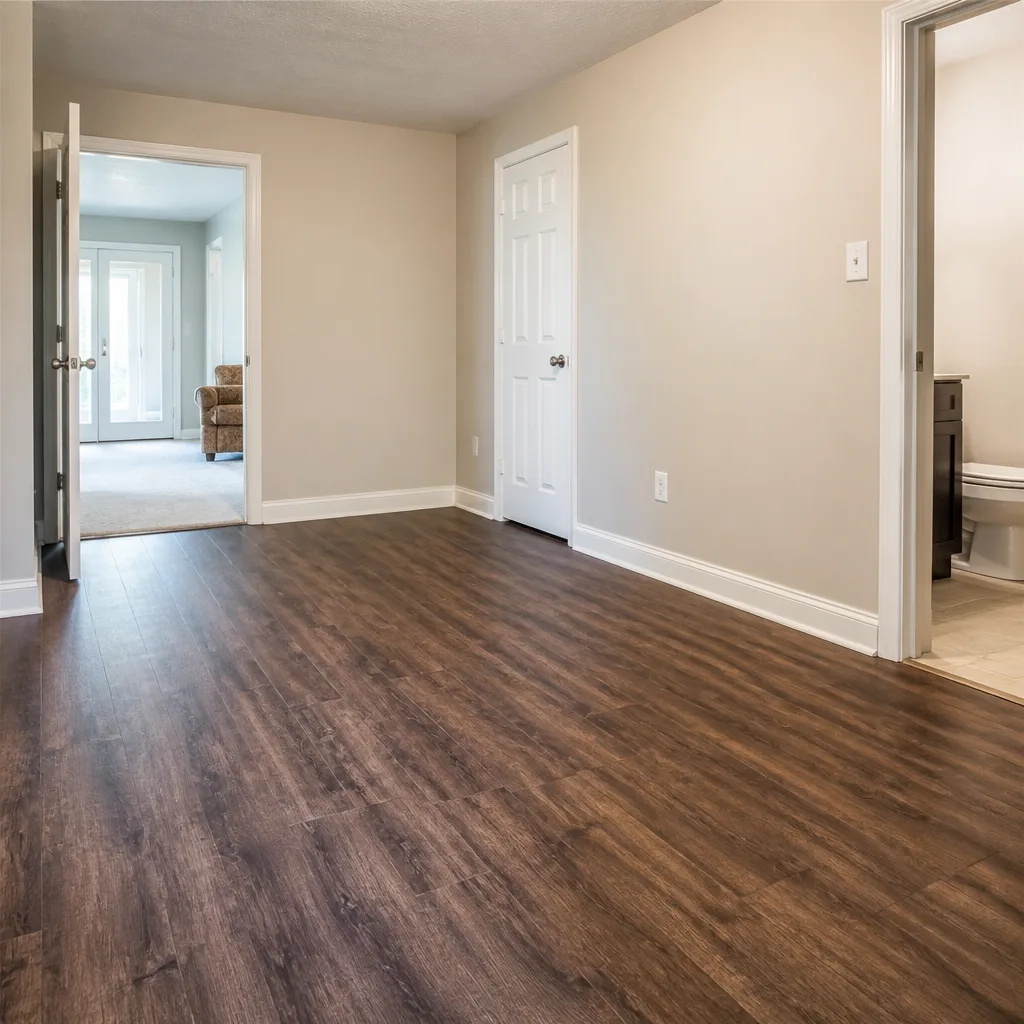
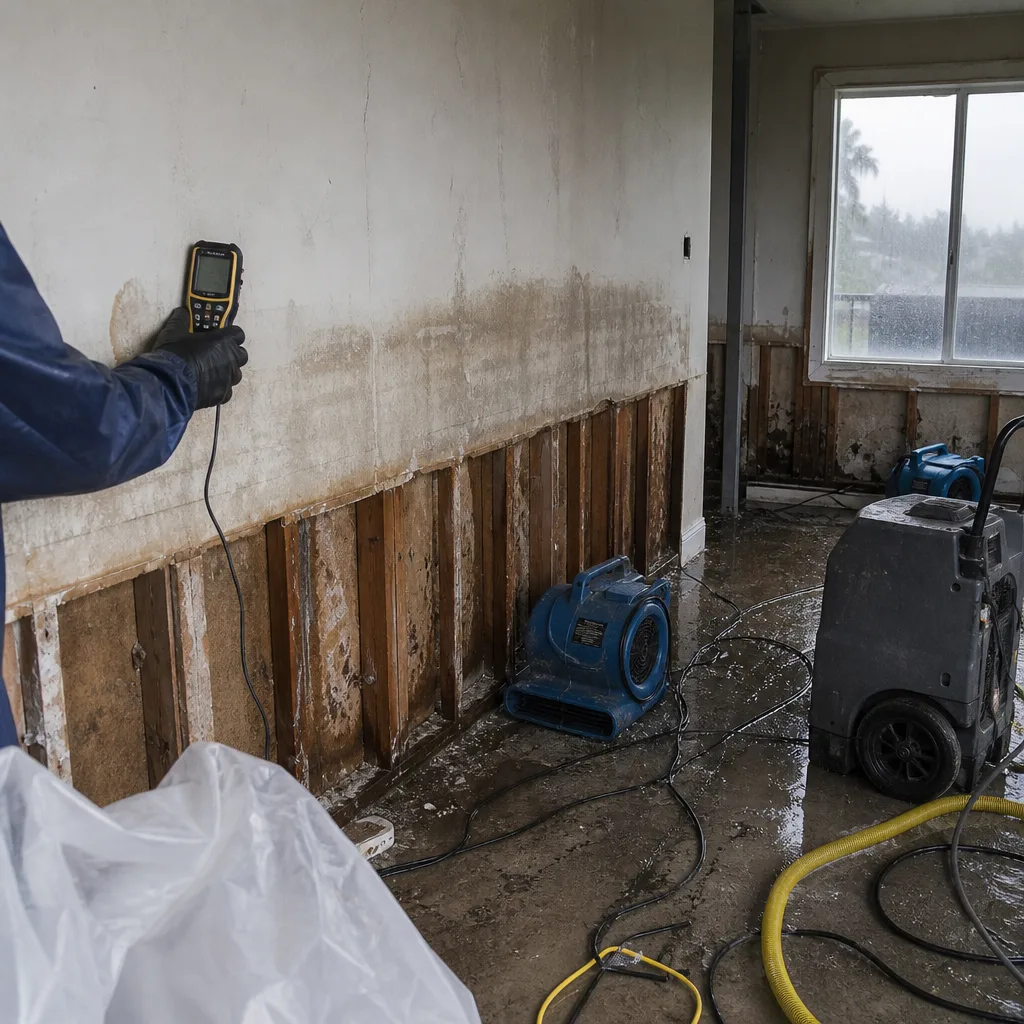 Before
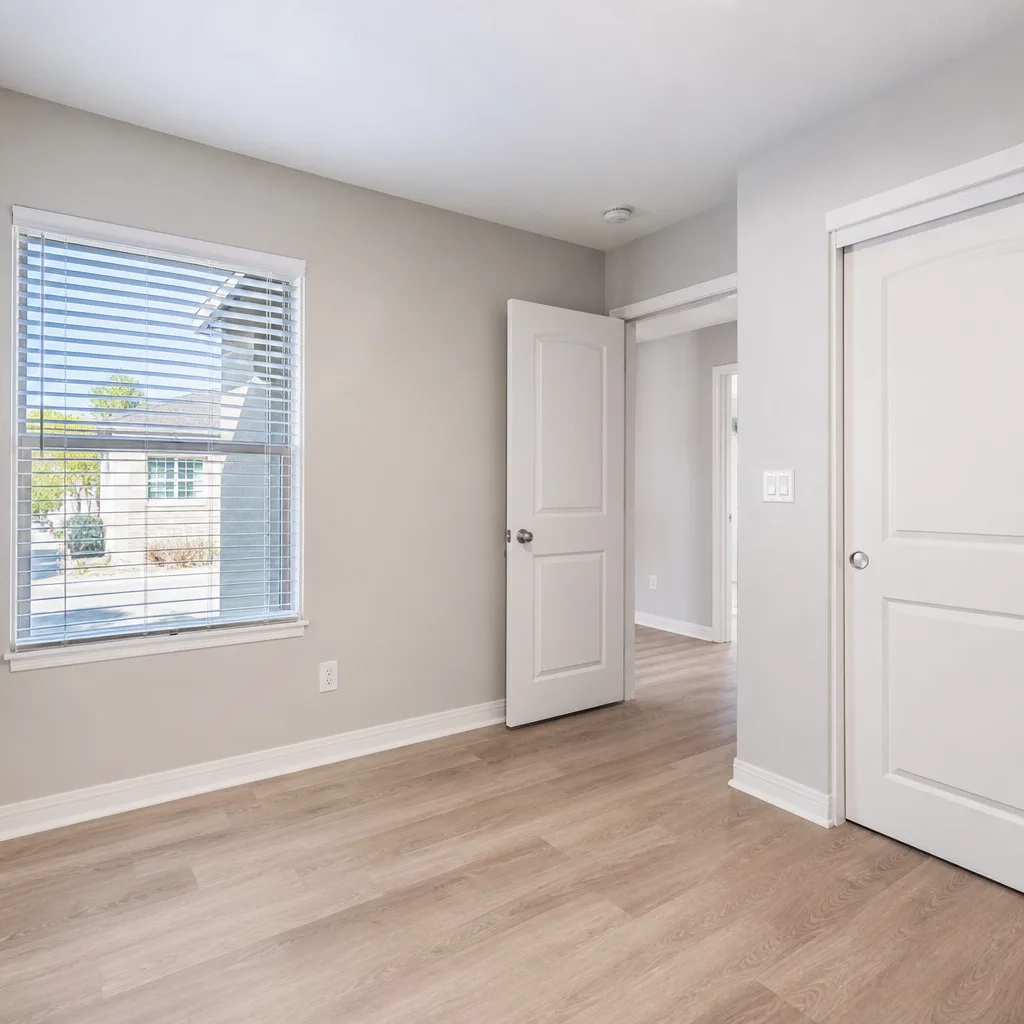 After
After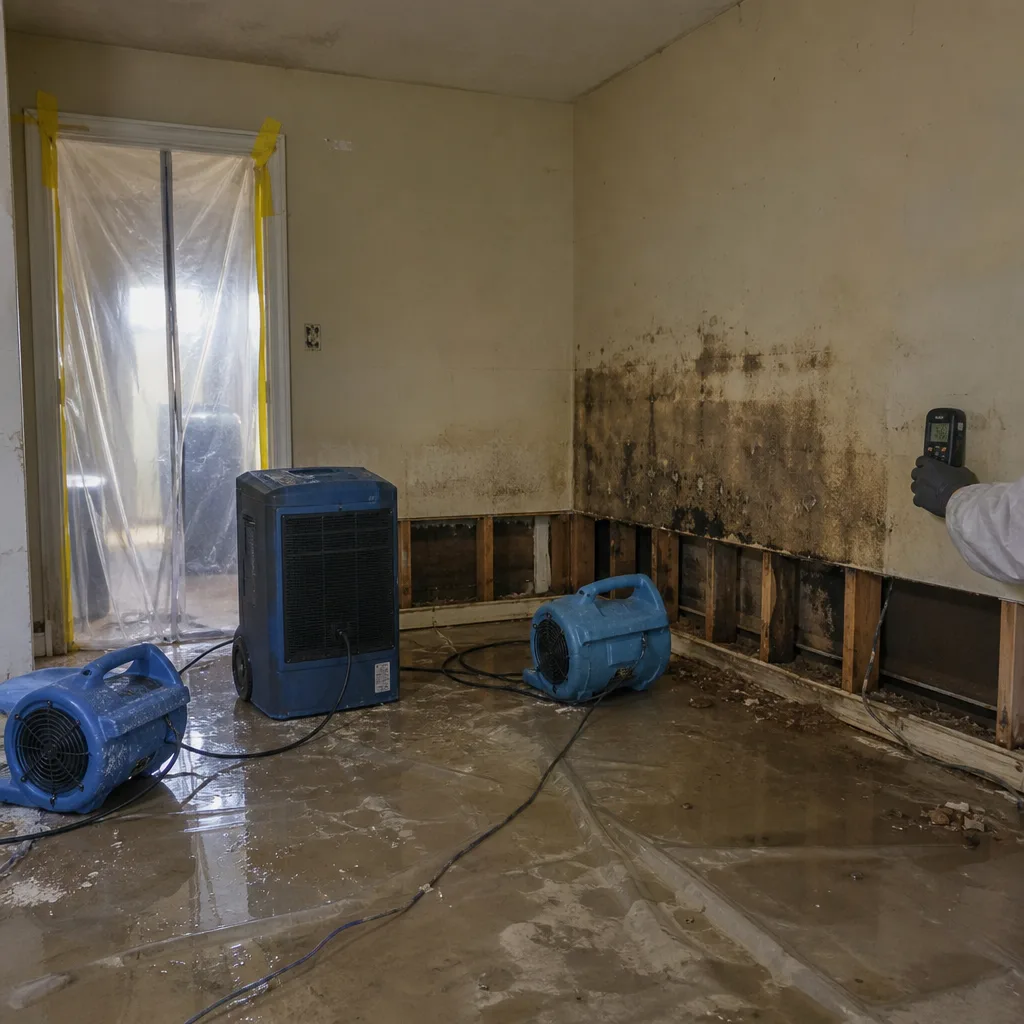 Before
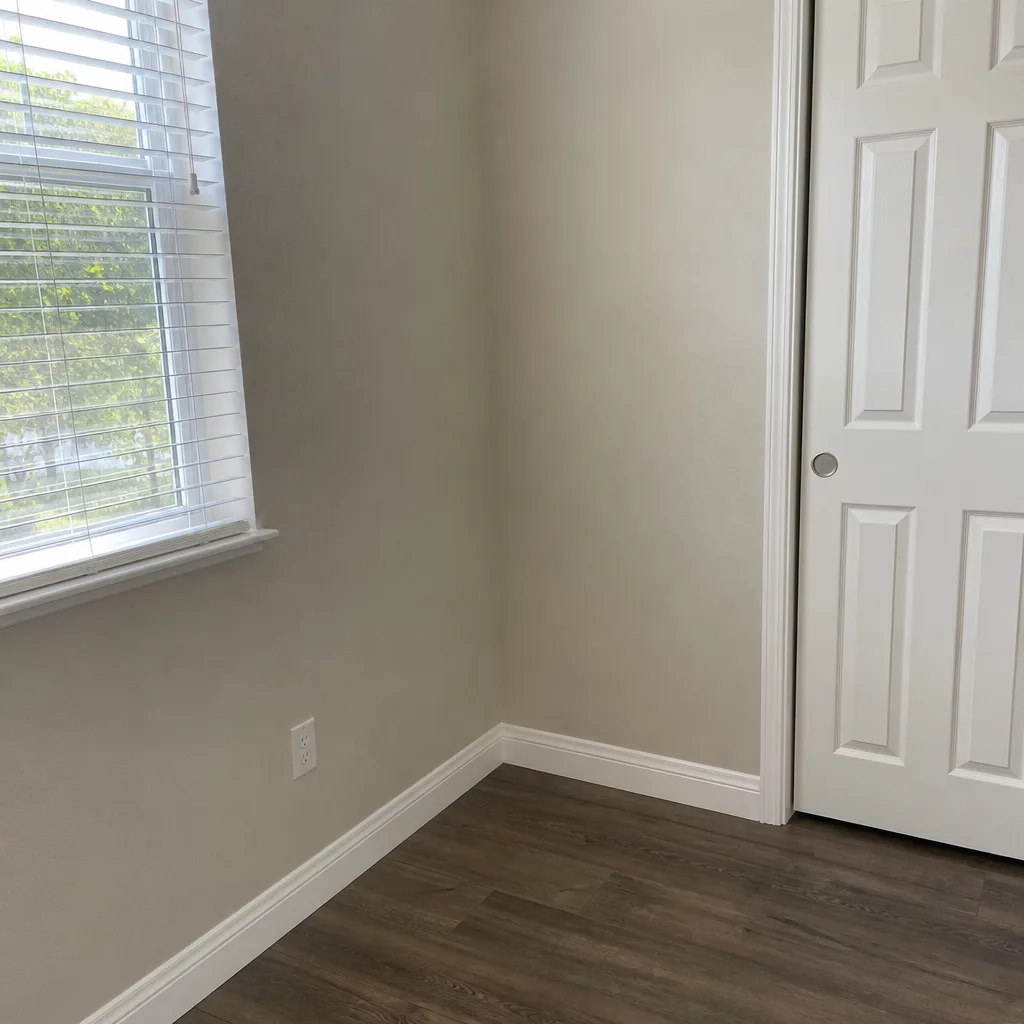 After
After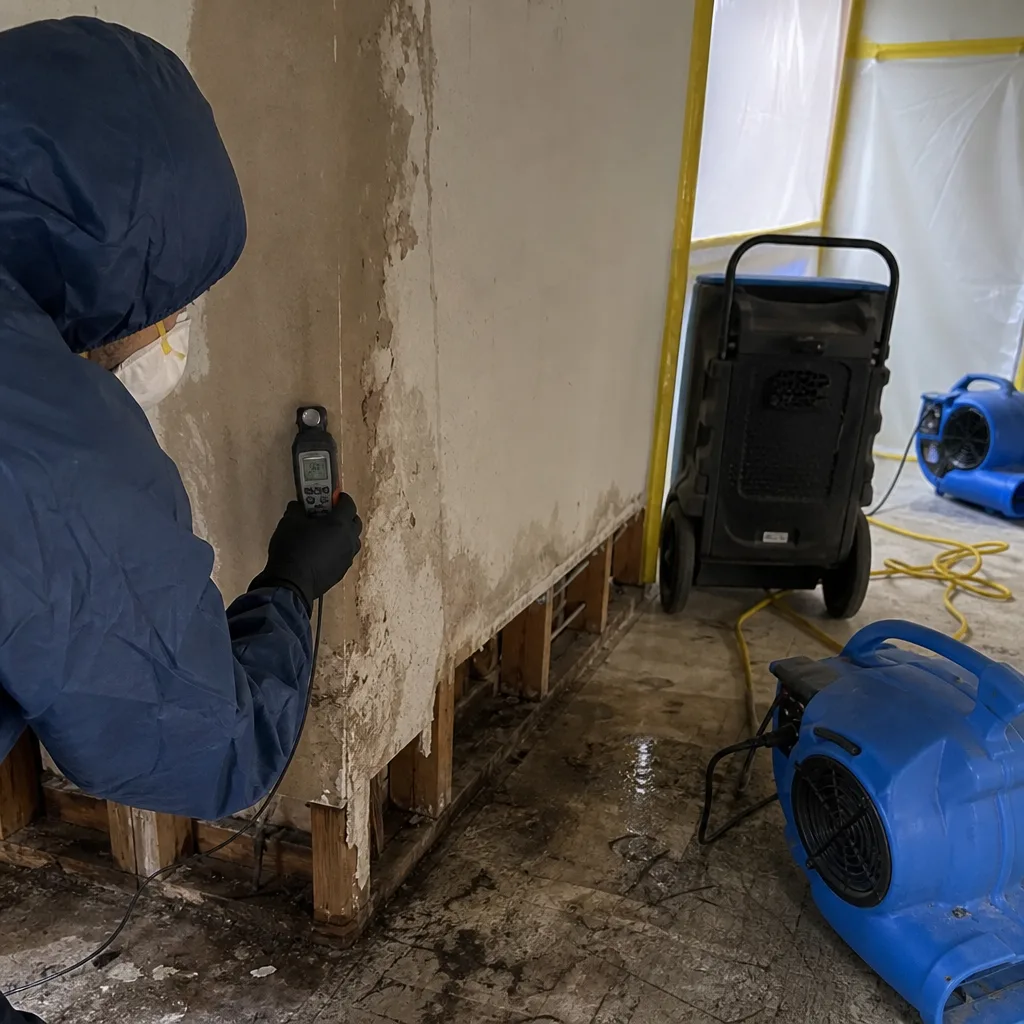 Before
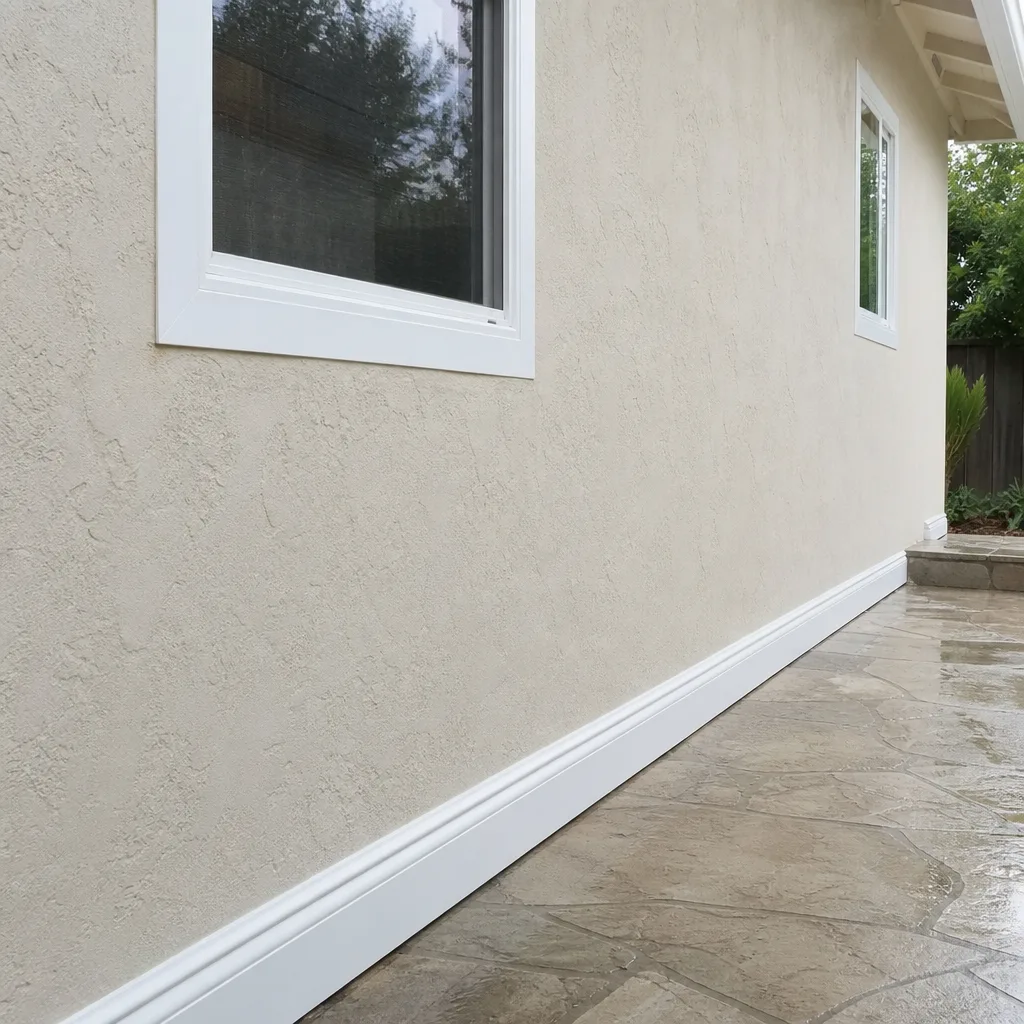 After
AfterDamage Restoration Cost Breakdown: The Carlsbad Homeowner’s Reference for 2026
The average Carlsbad water damage invoice contains at least three line items billed by the square foot that the homeowner has no way to verify without a measuring tape and a copy of Xactimate’s published regional rates - and most homeowners never ask. In 2025, we reviewed 47 competitor estimates brought to us for our Free Second Opinion service. Thirty-one of them used lump-sum pricing with no unit rates shown. One homeowner in La Costa Valley paid $4,200 for “structural drying” with no equipment count, no daily log, and no way to know if six air movers ran for three days or twelve. This guide breaks every common line item down to a verifiable unit price, explains which costs San Diego County insurers pay at full replacement value versus depreciated value, and shows you exactly what to demand in writing before anyone starts work.
Quick Answer
Water damage restoration in Carlsbad typically ranges from $3,200 for a contained bathroom leak to $18,000+ for a whole-house drying and reconstruction project, with most residential jobs falling between $4,500 and $8,500 in 2026. The final invoice depends on four measurable factors: affected square footage, material classification (Category 1 clean water versus Category 3 sewage), the number of equipment-days logged, and whether reconstruction triggers permit or code-upgrade requirements. Insurers in San Diego County generally pay structural drying at replacement cost value (RCV) but commonly depreciate finish materials like drywall and flooring by 15-40% depending on age.
Table of Contents
- Unit-Rate Breakdown: What Carlsbad Restoration Actually Costs Per Square Foot
- RCV vs. ACV: How San Diego County Insurers Actually Pay Your Claim
- Daily Drying Logs: The Documentation That Controls Your Equipment Bill
- Hidden Cost Categories Carlsbad Homeowners Don’t Budget For
- How to Request a Written, Itemized Estimate That Holds Up Under Review
- Carlsbad-Specific Factors That Affect Pricing: Climate, Codes, and Coastal Conditions
- Common Mistakes to Avoid
- When to Call a Professional
- Frequently Asked Questions
BeforeAfterUnit-Rate Breakdown: What Carlsbad Restoration Actually Costs Per Square Foot
Restoration invoices in Carlsbad are built from unit rates published in Xactimate, the pricing database used by most insurers and adjusters in San Diego County. A homeowner who understands these unit rates can verify any line item on any estimate. Here are the rates we see most often in 2026, with the regional benchmark ranges that apply to the Carlsbad market.
Water Extraction
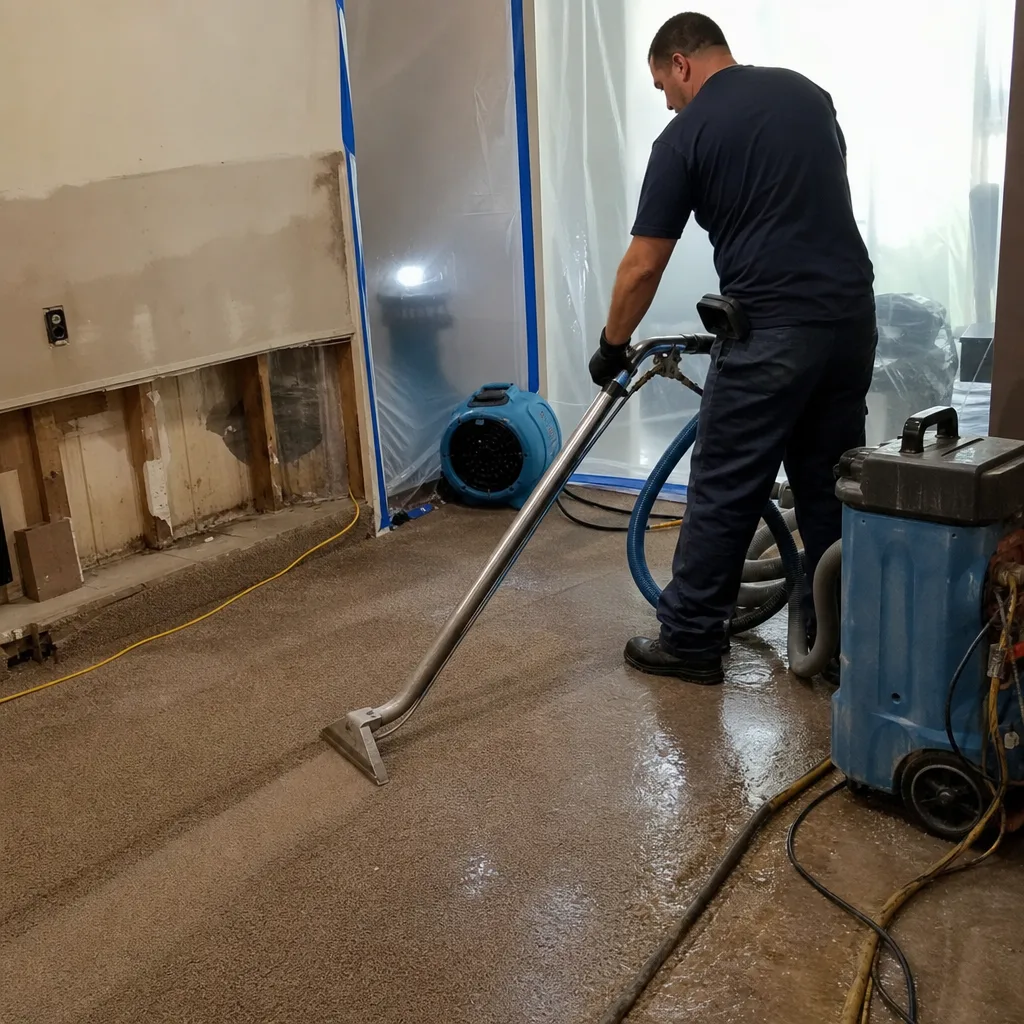
Standing water removal is typically billed per square foot of affected area, with the rate varying by depth and contamination level. For Category 1 clean water (broken supply line, rainwater), extraction runs $0.85-$1.40 per square foot in Carlsbad. Category 2 gray water (dishwasher overflow, washing machine drain) runs $1.20-$1.85 per square foot. Category 3 black water (sewage backup, seawater intrusion from coastal flooding) runs $2.00-$3.50 per square foot due to required PPE, disposal protocols, and anti-microbial treatment.
In the Bressi Ranch area, we extracted 2,400 square feet of Category 1 water from a slab leak in January 2025. The extraction line item: $2,976 at $1.24 per square foot. The homeowner verified our square footage against her own measuring tape. Haven Standard, Clause 1: written price before work begins.
Structural Drying
Structural drying is billed by the linear foot of wall cavity affected, or by equipment-day for open-air drying. Wall cavity injection drying with systems like Injectidry runs $12-$18 per linear foot in Carlsbad. This covers the cost of the injection panels, hoses, the desiccant or LGR dehumidifier feeding the system, and the technician labor to monitor and relocate equipment daily.
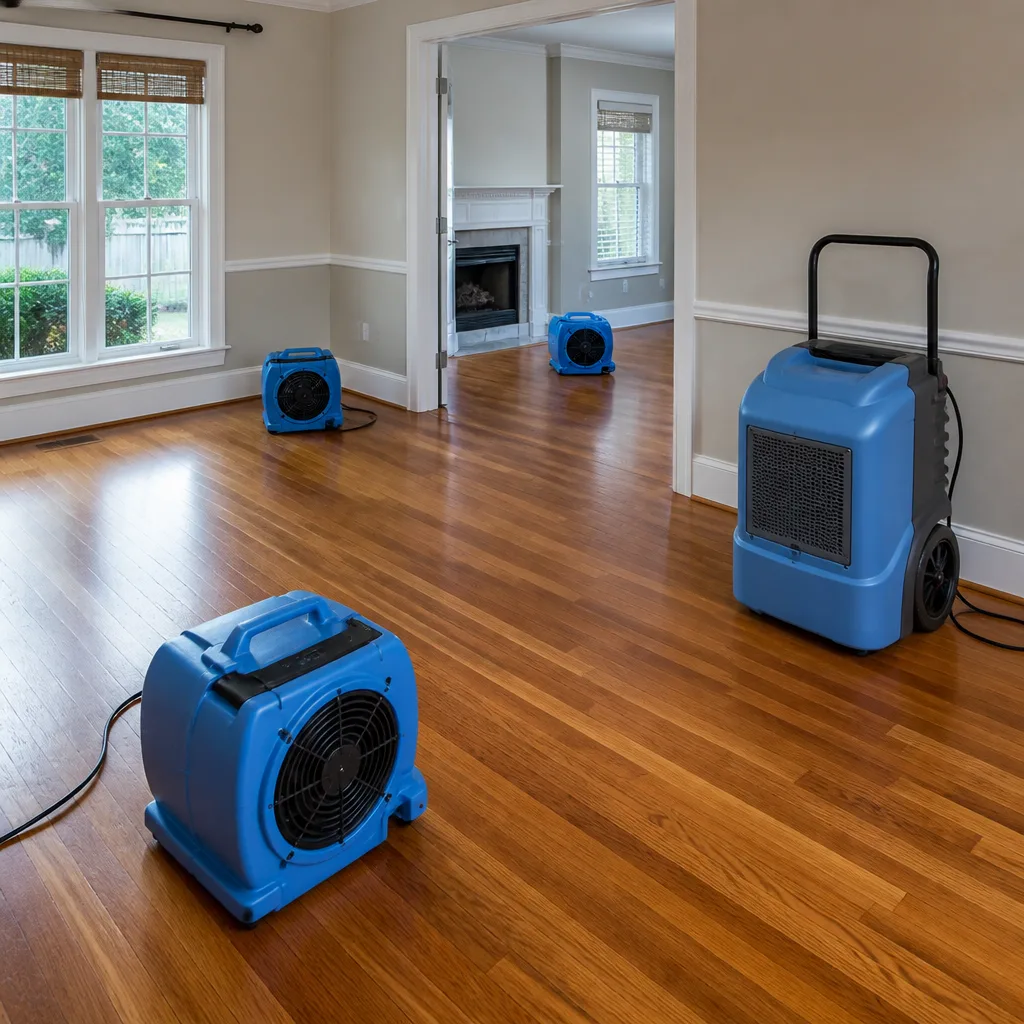
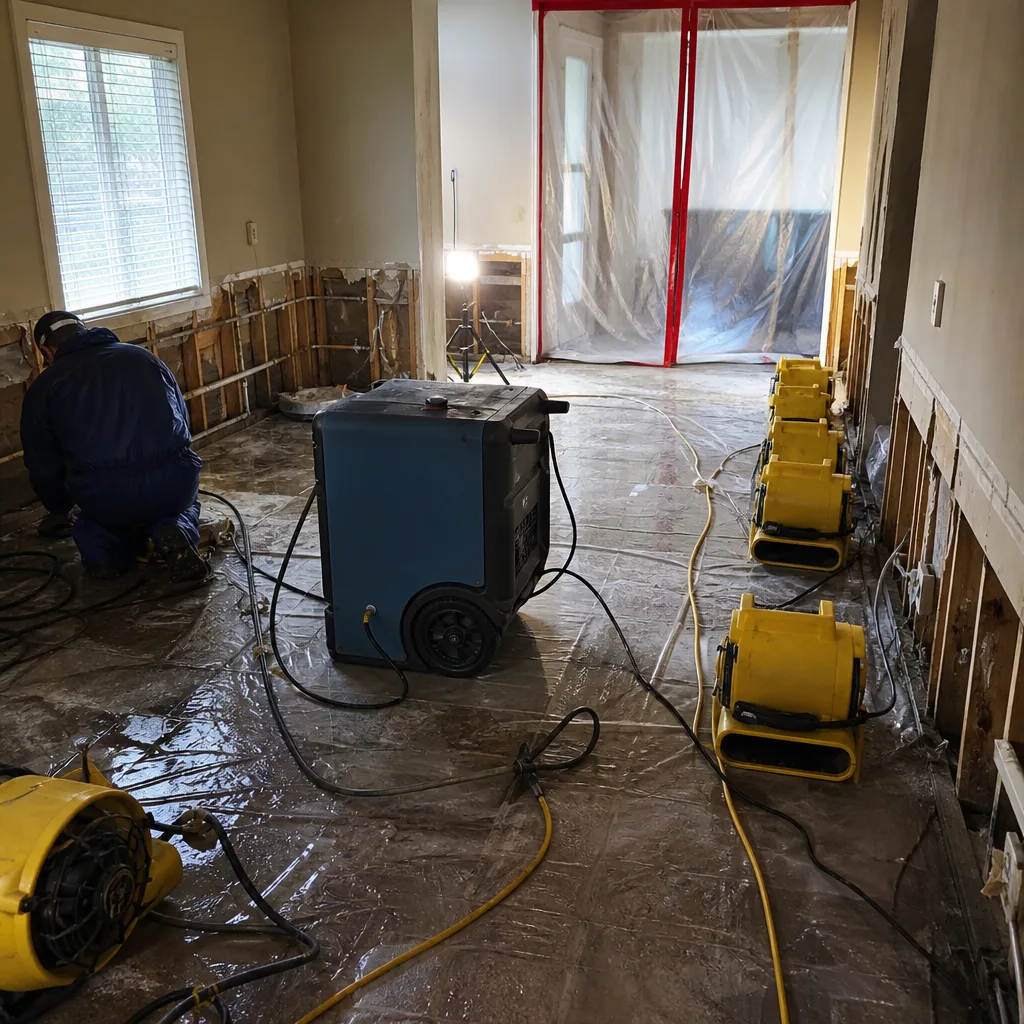
Open-air drying with axial air movers and LGR dehumidifiers is billed by equipment-day: $35-$55 per air mover per day, $85-$140 per LGR dehumidifier per day, and $45-$75 per specialty drying unit (negative air machines, HEPA air scrubbers). A standard Carlsbad living room of 300 square feet with 8-foot ceilings typically requires 4-6 air movers and 1-2 LGR dehumidifiers for 3-5 days.
Anti-Microbial Treatment
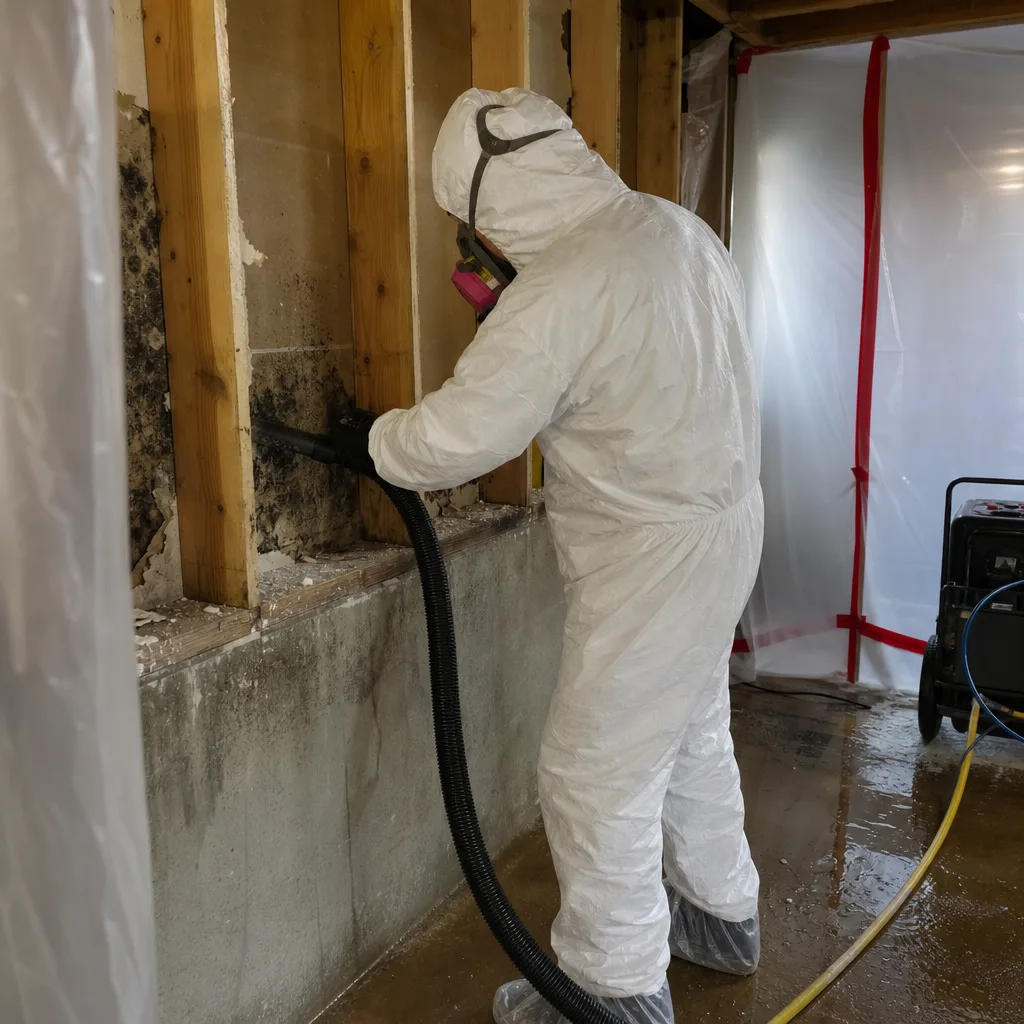
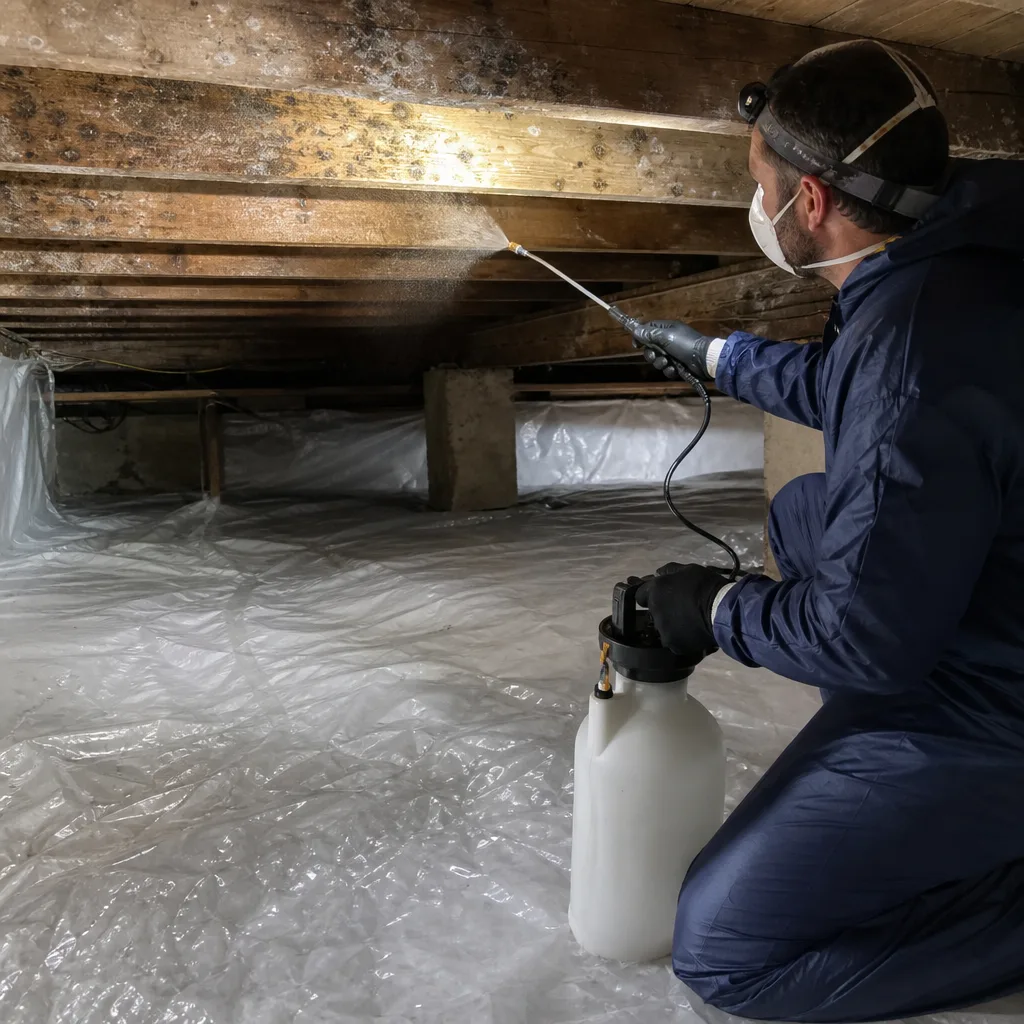
Application of EPA-registered anti-microbial solutions runs $0.45-$0.75 per square foot of treated surface in Carlsbad. This is not optional on Category 2 or 3 losses, and most insurers pay it at RCV. The treatment must be documented with product name, EPA registration number, concentration, and application method. We log this on every drying sheet.
Drywall Removal and Replacement
Flood cut and removal of water-damaged drywall runs $2.50-$4.00 per square foot, including disposal. Replacement with 1/2-inch moisture-resistant gypsum board runs $3.50-$5.50 per square foot installed, including taping, mudding, and texture match to existing finish. In Carlsbad’s coastal zones, where salt air accelerates fastener corrosion, we often see code-triggered upgrades to mold-resistant board or enhanced vapor barriers, which adds $0.80-$1.20 per square foot to material costs.
Pack-Out and Content Cleaning
Contents pack-out is billed per item or per cubic foot of storage. In Carlsbad, we see $18-$28 per cubic foot for inventory, pack, transport, and climate-controlled storage. Content cleaning runs $45-$85 per item for furniture, $12-$22 per linear foot for draperies, and $8-$15 per square foot for area rugs. These line items are frequently depreciated by insurers if the contents are older than 5-7 years.
RCV vs. ACV: How San Diego County Insurers Actually Pay Your Claim
Every restoration invoice in Carlsbad is eventually filtered through one of two settlement methods: Replacement Cost Value (RCV) or Actual Cash Value (ACV). The difference between them often determines whether a homeowner pays $2,000 out of pocket or $8,000.
RCV pays the full cost to restore or replace damaged property with materials of like kind and quality, with no deduction for depreciation. ACV pays RCV minus depreciation based on the age and condition of the damaged item. In San Diego County, we see RCV applied to structural drying, emergency mitigation, and code-required upgrades. ACV is commonly applied to finish materials, personal property, and appliances.
Which Line Items Get Depreciated
- Typically RCV (no depreciation): Water extraction, structural drying labor, equipment rental days, anti-microbial treatment, debris removal, emergency board-up. These are considered necessary mitigation expenses that do not lose value over time.
- Typically ACV (depreciated 15-40%): Drywall, flooring, baseboards, cabinetry, paint, countertops, and personal contents. A 10-year-old carpet might be depreciated 50% or more. A 5-year-old dishwasher might be depreciated 30%.
- Frequently disputed: Code-upgrade materials, vapor barrier enhancements in coastal zones, and tertiary drying (extended drying beyond the standard 3-5 day cycle). Insurers may argue these are not “like kind and quality” replacements.
The depreciation calculation itself is formulaic: expected lifespan minus actual age, divided by expected lifespan, multiplied by replacement cost. Carpet with a 10-year expected lifespan that is 6 years old gets depreciated 60%. But expected lifespans vary by insurer, and homeowners rarely challenge the baseline. In 2024, a Carlsbad homeowner in Olde Carlsbad saw her oak flooring depreciated 35% based on a 25-year expected lifespan that another major insurer uses as 30 years. The difference: $3,400 in out-of-pocket cost.
We document every material age, condition photo, and manufacturer specification to support RCV arguments. Our daily photo record, included standard on every job, provides the timestamped evidence that can shift a disputed line item from ACV to RCV.
Daily Drying Logs: The Documentation That Controls Your Equipment Bill
The single most common invoice inflation we see in Carlsbad is equipment left on site longer than necessary, billed at full daily rates, with no documentation to justify the extended timeline. A six-air-mover job that should dry in 4 days stretches to 9 days, and the homeowner has no way to know if the extra 5 days were clinically necessary or administratively convenient.
Daily drying logs solve this. They are the psychrometric data record that proves whether each piece of equipment was still performing a function on each day it was billed.
What a Proper Drying Log Contains
- Date and time of each visit. Not “daily” in theory - actual arrival and departure timestamps.
- Equipment inventory by serial number. Every air mover, dehumidifier, and air scrubber logged individually, so the invoice equipment count can be matched to the log.
- Moisture readings per room, per material. Wood moisture content (WMC) and relative humidity (RH) measured with pin and pinless meters, recorded by location. For example: “Living room, north wall, drywall: 18.2% WMC Day 1; 14.1% Day 3; 11.3% Day 5; 9.8% Day 6 (dry standard 10%).”
- Vapor pressure differential (VPD) calculation. The difference between the actual vapor pressure in the air and the saturation vapor pressure at that temperature. When VPD approaches equilibrium, drying slows and equipment should be relocated or removed. We calculate and log this to justify every equipment-day.
- Psychrometric data: temperature, RH, grains per pound (GPP), and dew point. These numbers tell the story of whether the dehumidifier is still pulling moisture or just recirculating dry air.
- Technician signature and license number. Accountability for every entry.
In 2025, a homeowner in Aviara brought us an invoice with 14 equipment-days on a 1,200-square-foot water loss. The competitor provided no drying log. We deployed our standard water damage restoration protocol with 6 air movers and 2 LGR dehumidifiers, logged daily, and achieved dry standard in 4 days. The difference in equipment charges: $2,860.
The drying log is not an administrative nicety. It is the documentation that turns a restoration invoice into a claim an insurer will pay without a fight. We produce it on every job, every visit, as a standard deliverable under The Haven Standard.
Hidden Cost Categories Carlsbad Homeowners Don’t Budget For
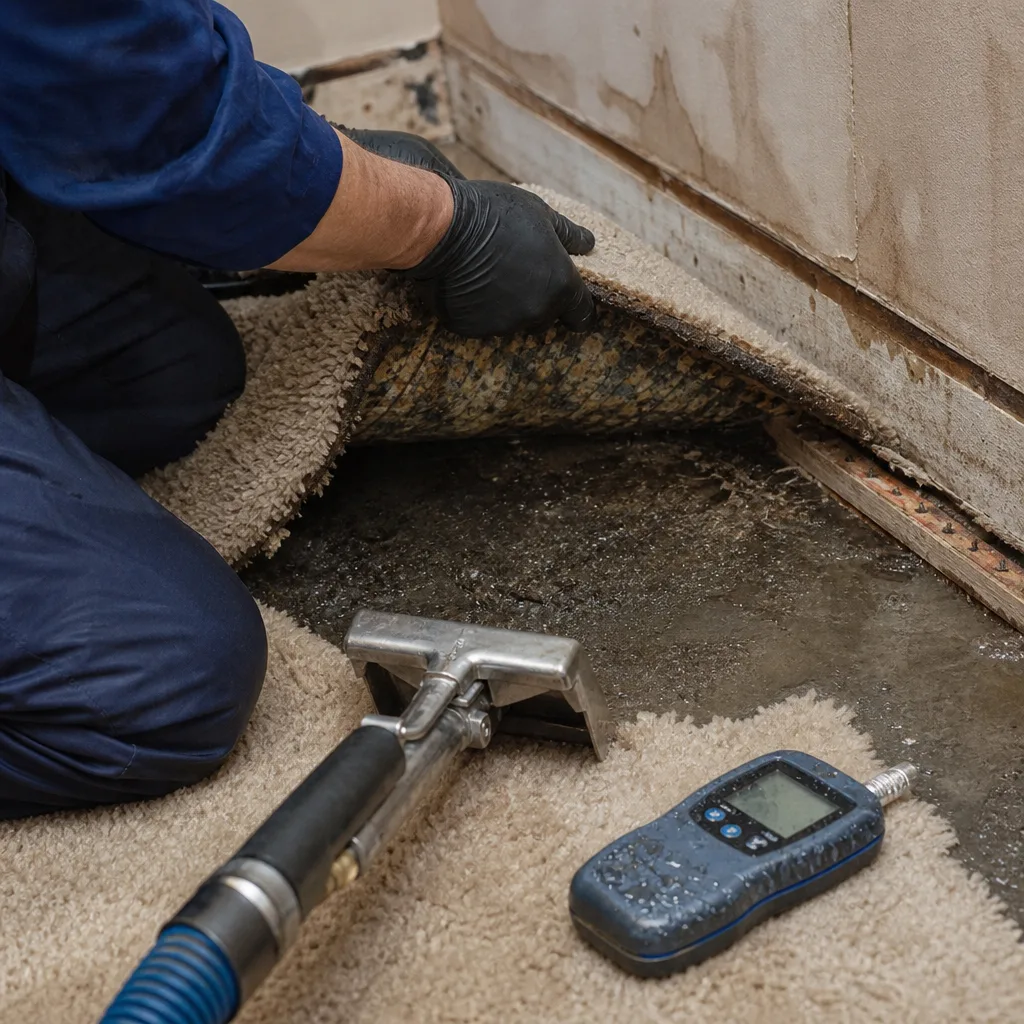
Most Carlsbad homeowners budget for the visible damage: wet drywall, ruined carpet, the standing water in the hallway. Few budget for the costs that appear only after mitigation begins, and fewer still know which warning signs to watch for or which ones their policy covers. Here are the categories we flag in every initial assessment.
Permit Fees
Carlsbad requires permits for any reconstruction involving structural, electrical, or plumbing work beyond cosmetic repair, so review our guide to Damage Restoration Permits, Codes & Inspections in CA: What You Need to Know before work begins. A water loss that reaches wall cavities often triggers electrical outlet replacement, which requires a permit. Reconstruction of a kitchen with cabinet removal triggers plumbing inspection. Permit fees in Carlsbad run $180-$450 for typical residential restoration, plus plan check fees of $85-$200 for projects over $5,000. These are not optional, and unpermitted work can void future insurance coverage or complicate resale.
Clearance Testing
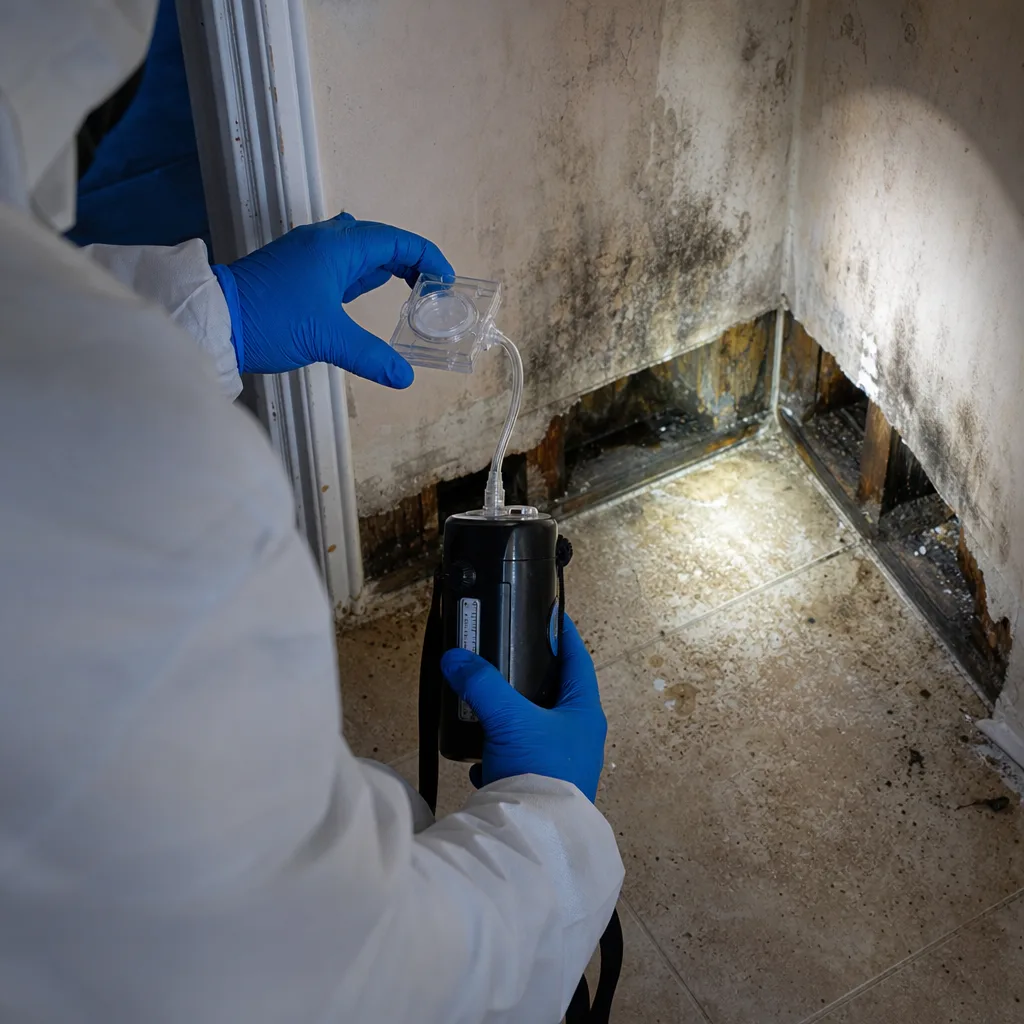
After mold remediation or Category 3 water losses, most insurers and property managers require third-party clearance testing before reconstruction begins. Air sampling and surface sampling by an independent hygienist runs $450-$850 in Carlsbad, depending on the number of samples and the turnaround time. Rush analysis (24-48 hours) adds 30-50%. This cost is sometimes covered by insurance, sometimes not, and is frequently the subject of supplemental claims.
Code Upgrade Requirements
California’s building code evolution means that damage to a 1995-built home in Carlsbad may trigger upgrades not covered by standard replacement. Common triggers: GFCI outlet requirements in expanded locations, low-flow plumbing fixtures, enhanced insulation in rebuilt wall cavities, and seismic strap requirements for water heaters. These upgrades can add $800-$3,500 to a reconstruction scope. Some policies include “Ordinance or Law” coverage for code upgrades; many do not, or cap it at 10% of the dwelling coverage.
Pack-Out and Storage
When damage affects living spaces, contents must be inventoried, packed, moved, and stored during mitigation and reconstruction. Climate-controlled storage in North County San Diego runs $0.85-$1.40 per cubic foot per month. A typical 2,500-square-foot home generates 800-1,200 cubic feet of stored contents. A three-month reconstruction timeline generates $2,040-$5,040 in storage fees alone, before content cleaning or replacement.
Tertiary Drying and Specialty Equipment
When standard LGR dehumidification and air movement do not achieve dry standard within 5-7 days, tertiary drying methods may be required: desiccant dehumidification, heat drying systems, or targeted injection drying for dense materials like hardwood or plaster. Desiccant rental runs $200-$350 per day plus fuel or power costs. Heat drying systems run $150-$250 per day. These are legitimate costs when justified by psychrometric data, but without daily logs, they are impossible to verify.
How to Request a Written, Itemized Estimate That Holds Up Under Review
Haven Standard, Clause 1 requires a written price before any work begins, every time, with no exceptions. This is not a marketing position. It is the documentation protocol that prevents the scope creep and invoice shock we see in too many Carlsbad homes. Here is what that estimate must contain to survive a supplemental claim review or an independent adjuster audit.
The Six Required Elements
- Unit rates for every line item. Not “structural drying: $4,200.” Instead: “LGR dehumidifier, 2 units, 4 days @ $125/day = $1,000; axial air mover, 6 units, 4 days @ $48/day = $1,152; wall cavity injection, 32 LF @ $15/LF = $480.”
- Square footage and linear footage measurements. Every SF and LF calculation must be traceable to a measured diagram. We sketch every affected area and provide the sketch as an attachment.
- Material classifications. Category 1, 2, or 3 water; Class 1-4 water loss (affected area percentage and material porosity). These classifications determine unit rates and safety protocols.
- Equipment count and placement map. Where each unit sits, by room, with serial numbers if possible. This enables verification against the daily drying log.
- Timeline with milestones. Expected extraction completion, expected equipment removal, expected reconstruction start. Delays beyond this timeline require documented cause.
- Photo documentation reference. A statement that pre-work, during-work, and post-work photos will be provided, with the count and date range.
We provide this format on every estimate. Homeowners who bring us a competitor’s written estimate for our Free Second Opinion receive the same line-item analysis, with specific variances noted against Xactimate’s published San Diego County rates.
Carlsbad-Specific Factors That Affect Pricing: Climate, Codes, and Coastal Conditions
Restoration in Carlsbad is not restoration in Riverside or Escondido. The coastal climate, local geology, and municipal code create specific cost drivers that appear on invoices here and rarely elsewhere.
Marine Layer Moisture and Extended Drying
Carlsbad’s marine layer, particularly in the coastal neighborhoods from Carlsbad Village to Terramar, keeps ambient relative humidity elevated 15-25% above inland San Diego County for 6-8 months annually. This slows natural evaporation and extends equipment-days. A drying job that achieves standard in 3 days in San Marcos may require 5-6 days in Carlsbad Village with identical interior conditions, because the exterior vapor pressure differential works against dehumidification. Our estimates account for this with location-specific psychrometric projections.
Salt Air Corrosion and Material Degradation
Homes within 1.5 miles of the coast experience accelerated fastener corrosion, metal duct deterioration, and concrete spalling from salt air exposure. Water intrusion in these homes often reveals pre-existing damage that must be addressed before reconstruction. We document this with photos to support supplemental claims, because insurers may initially classify visible corrosion as “pre-existing” and attempt to exclude it.
Slab-on-Grade Construction in East Carlsbad
The Bressi Ranch and La Costa Valley developments built from 1995-2010 used extensive slab-on-grade construction with post-tension cables. Water intrusion from slab leaks or groundwater rise requires specialized extraction and drying protocols to avoid cable corrosion. X-ray or GPR scanning to locate cables before flood cuts adds $350-$650 to the initial scope. This is not optional - cutting a post-tension cable creates a structural liability that can exceed the original water damage cost.
Carlsbad Municipal Code and Green Building Requirements
Carlsbad adopted CalGreen Tier 1 requirements for all residential reconstruction over $50,000, and certain water losses trigger mandatory energy efficiency upgrades: low-flow fixtures, enhanced insulation, cool roof materials if roof decking is replaced. These add 8-15% to reconstruction materials but are required for permit approval. We identify code triggers in our initial assessment and document them for insurance negotiation.
Common Mistakes to Avoid
- Accepting lump-sum pricing without unit rates. A single number with no breakdown cannot be verified against Xactimate, cannot be challenged in supplemental review, and cannot be compared to competitor bids. Haven Standard, Clause 1 exists to prevent exactly this.
- Starting work before the scope is written and signed. In Carlsbad’s competitive restoration market, some companies begin extraction immediately to “stop the damage,” then present an inflated invoice later. The scope must be written, priced, and signed before equipment is deployed.
- Ignoring the equipment count on the final invoice. Match every billed air mover and dehumidifier to the daily drying log by serial number. A common error is billing for equipment removed days earlier, or billing for units never placed on site.
- Assuming all reconstruction is covered at RCV. Finish materials in homes built before 2015 are frequently depreciated 25-40% by San Diego County insurers. Budget for the ACV gap or negotiate with documented evidence of pre-loss condition.
- Skipping permit research. Unpermitted reconstruction in Carlsbad can trigger stop-work orders, require demolition of completed work, and void resale disclosures. Every reconstruction scope should include a permit feasibility review.
- Not photographing pre-existing conditions. Salt air corrosion, prior water stains, and settled foundation cracks are routinely claimed as “new damage” by insurers trying to limit coverage, or by contractors trying to expand scope. Photo documentation protects against both.
When to Call a Professional
Call a certified restoration professional when water has affected more than a single, easily contained area; when the water source is Category 2 or 3; when moisture has reached wall cavities, subflooring, or HVAC systems; or when you smell mustiness that suggests hidden mold growth. Read our DIY vs Professional Damage Restoration: The Carlsbad Homeowner’s Decision Guide to know when expert help is essential. In Carlsbad’s coastal climate, delayed response converts a Category 1 loss to a Category 3 mold remediation in 72-96 hours during humid months.
We also recommend professional assessment when your insurer has assigned an adjuster who seems unfamiliar with Xactimate unit rates, or when the initial estimate appears to omit code-upgrade triggers, permit fees, or clearance testing. A documented second opinion often pays for itself in recovered coverage.
DryMark Restoration Carlsbad offers free estimates in Carlsbad, with written, itemized pricing before any work begins and a documented photo record on every visit. Call (858) 923-4372 to schedule an assessment or bring a competitor’s written estimate for our Free Second Opinion.
Frequently Asked Questions
Most residential water damage restoration in Carlsbad costs between $4,500 and $8,500, with contained bathroom or kitchen leaks starting around $3,200 and whole-house losses with reconstruction exceeding $18,000. The final cost depends on affected square footage, water contamination category, equipment-days required, and whether reconstruction triggers permit or code-upgrade requirements. Call (858) 923-4372 for a written, itemized estimate - estimates are free.
Structural drying and emergency mitigation are typically covered at Replacement Cost Value (RCV) with no depreciation, but finish materials like drywall, flooring, and cabinetry are often paid at Actual Cash Value (ACV) with depreciation of 15-40% depending on age. Code upgrades, permit fees, and clearance testing may be covered under “Ordinance or Law” endorsements or may be out-of-pocket. We document every line item to support RCV arguments and coordinate directly with adjusters. Call (858) 923-4372 to review your policy specifics.
Request the daily drying log with equipment serial numbers and compare it to your invoice. The log should show each unit’s location by room, with moisture readings that justify its continued presence. If a dehumidifier is billed for 6 days but the log shows dry standard achieved on Day 4, that line item is disputable. We provide serial-numbered equipment lists and daily logs as standard on every job.
Yes, if reconstruction involves structural, electrical, or plumbing work beyond cosmetic repair. Carlsbad requires permits for electrical outlet replacement, plumbing fixture changes, wall cavity reconstruction, and any work exceeding $1,000 in value. Permits add $180-$650 to typical projects but are mandatory; unpermitted work can void insurance coverage and complicate home sales. We identify permit triggers in our initial written scope.
Category 1 is clean water from a broken supply line or rainwater with no contaminants. Category 2 is gray water with mild contamination from sources like dishwasher discharge or washing machine overflow, requiring anti-microbial treatment. Category 3 is black water from sewage backup, seawater flooding, or long-standing Category 1 water that has bred bacteria, requiring full PPE, specialized disposal, and extensive anti-microbial treatment. Category 3 losses cost 40-100% more than Category 1 due to safety protocols and material removal requirements.
For active water losses, same-day response is standard for companies with live dispatch. DryMark Restoration Carlsbad answers every call with a live person, 24 hours a day, 7 days a week, with no voicemail trees. Emergency mitigation crews are typically on site within 2-4 hours for active leaks. Reconstruction work is scheduled and scoped in writing, not dispatched as an emergency. Call (858) 923-4372 for immediate response to active water damage.
The Bottom Line
Restoration pricing in Carlsbad is knowable, verifiable, and negotiable when you have the right documentation. The unit rates exist. The Xactimate database is public. The daily drying logs that justify equipment-days are a standard deliverable, not a premium service. Every homeowner can demand a written, itemized estimate before work begins, can match equipment counts to serial numbers, and can challenge depreciation calculations with photo evidence of pre-loss condition. Explore more guides & resources to protect your claim.
The gap between a paid claim and a disputed invoice is almost always documentation. We built DryMark Restoration Carlsbad around that gap, with written prices before work starts, photo records on every visit, and daily drying logs that turn restoration invoices into payable claims. The Haven Standard governs every job we take.
Written by Alicia Brennan, Owner at DryMark Restoration Carlsbad, serving Carlsbad since 2011.