
Last updated September 23, 2026
Free visual inspection and a written scope of work before any mitigation begins - photos, moisture readings, and drying logs go in your claim file
The scope we write is the scope we bill. Anything new gets shown to you, in writing, before we touch it.
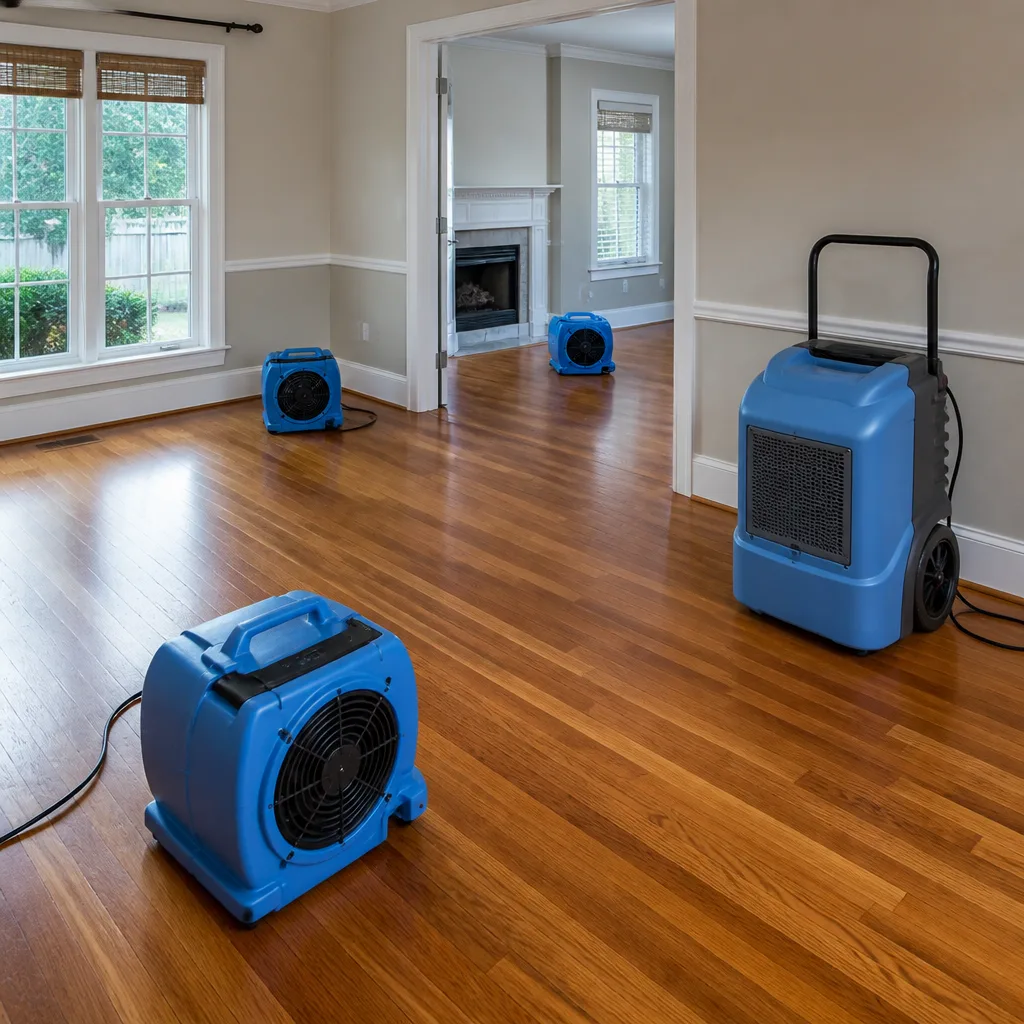

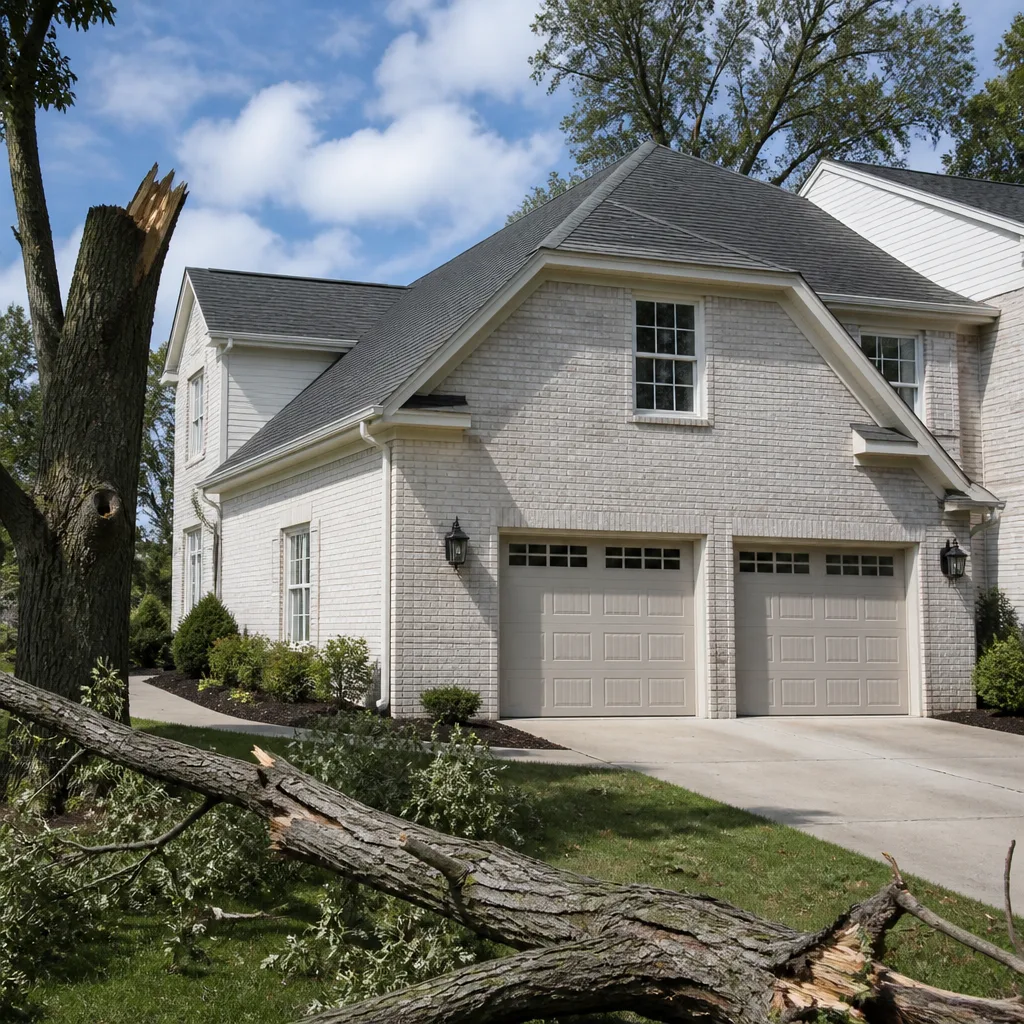

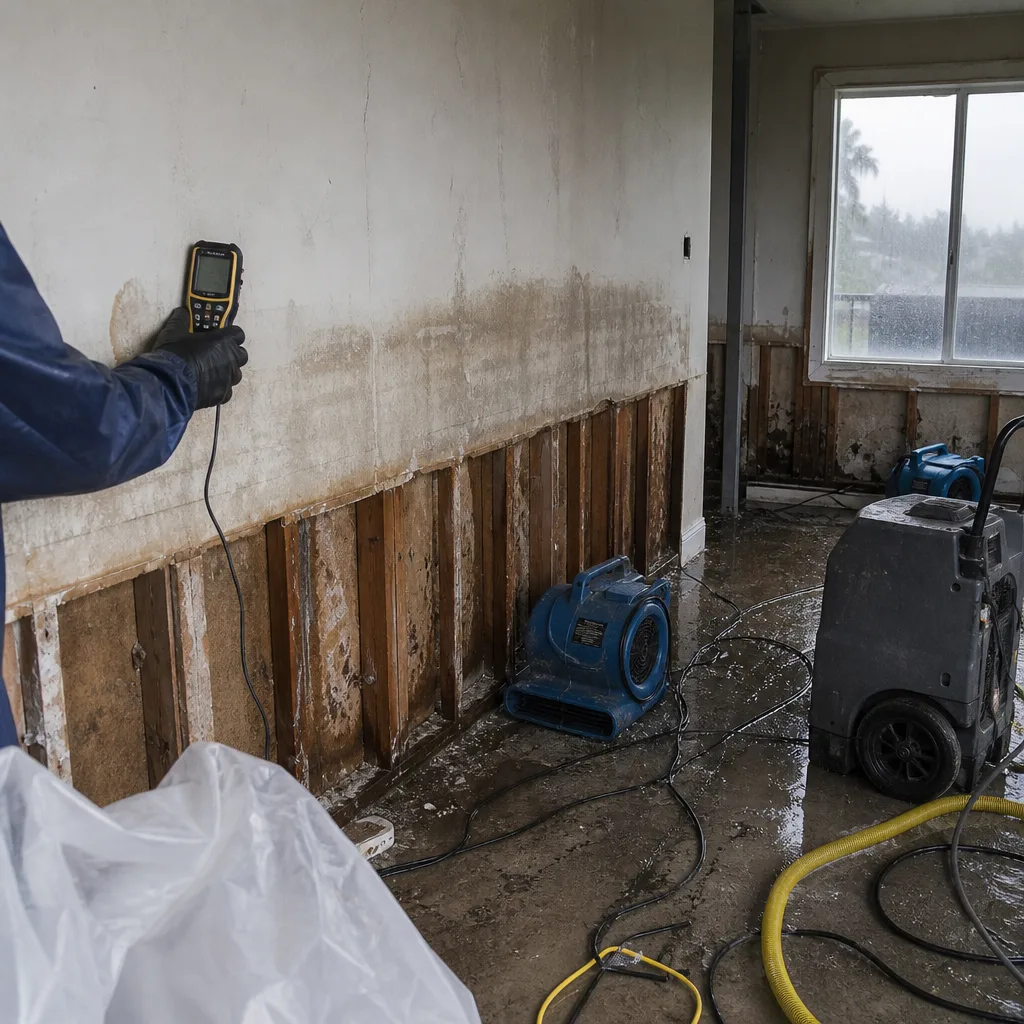 Before
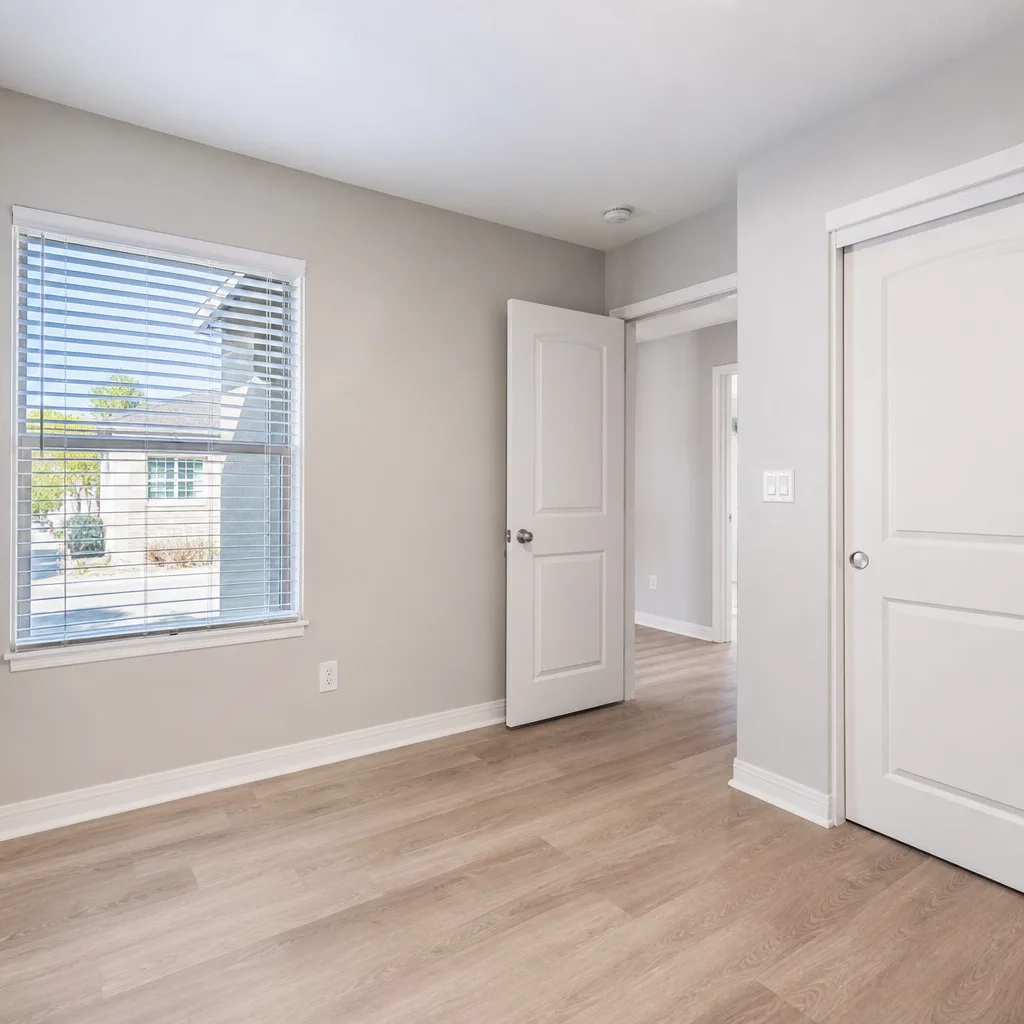 After
After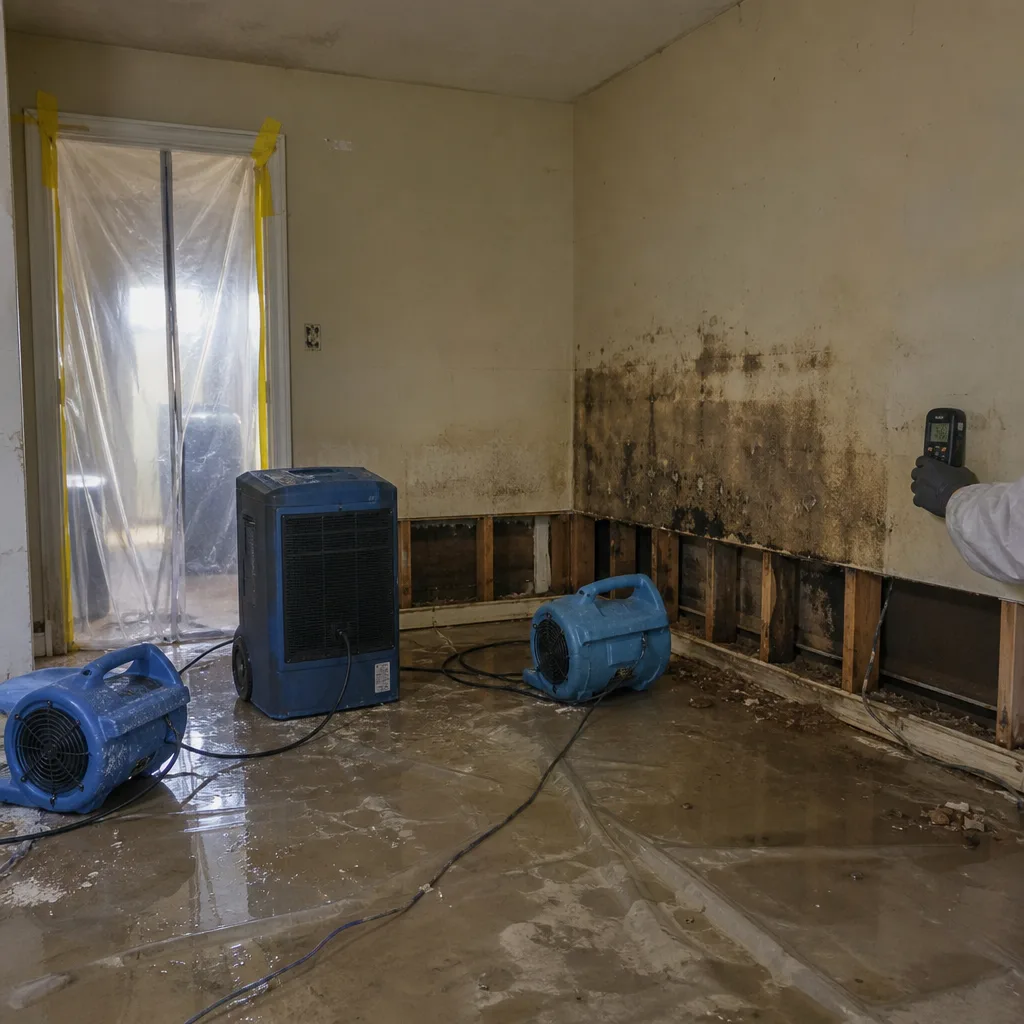 Before
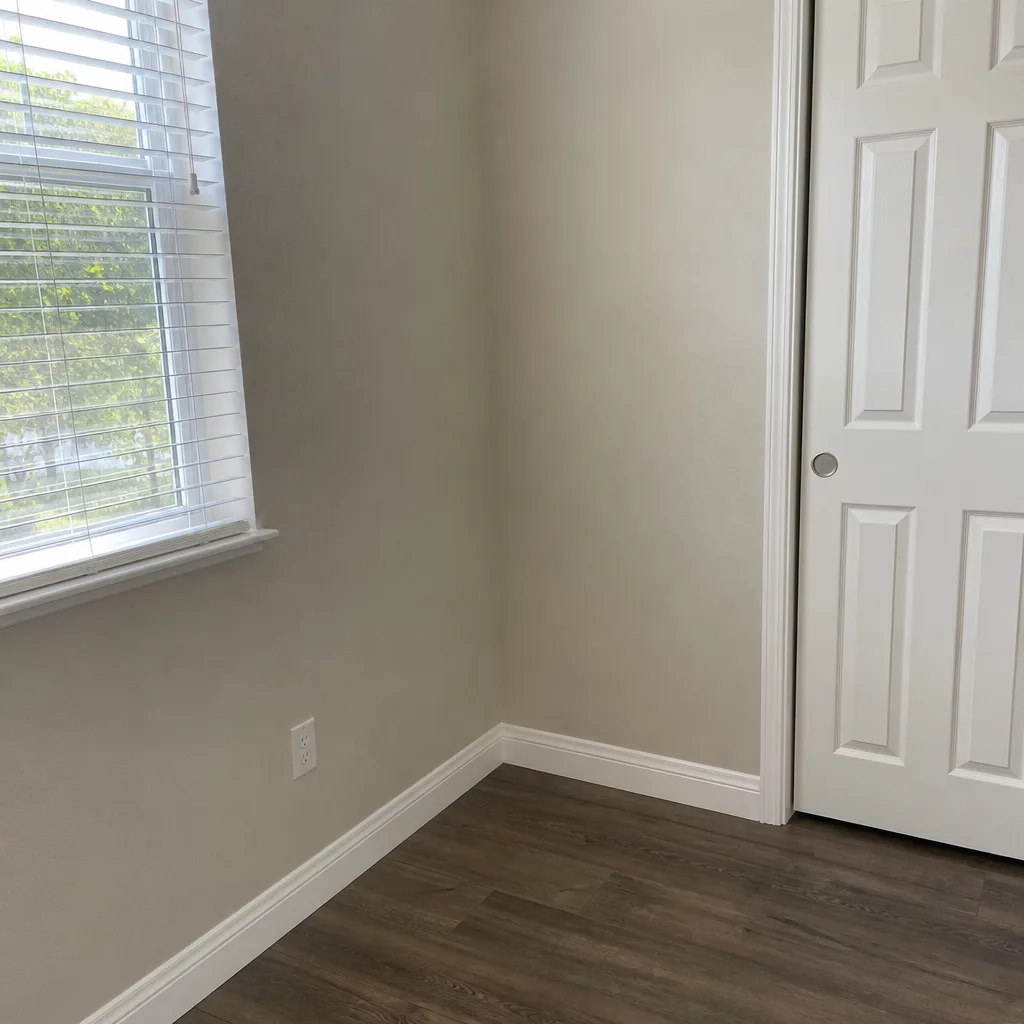 After
After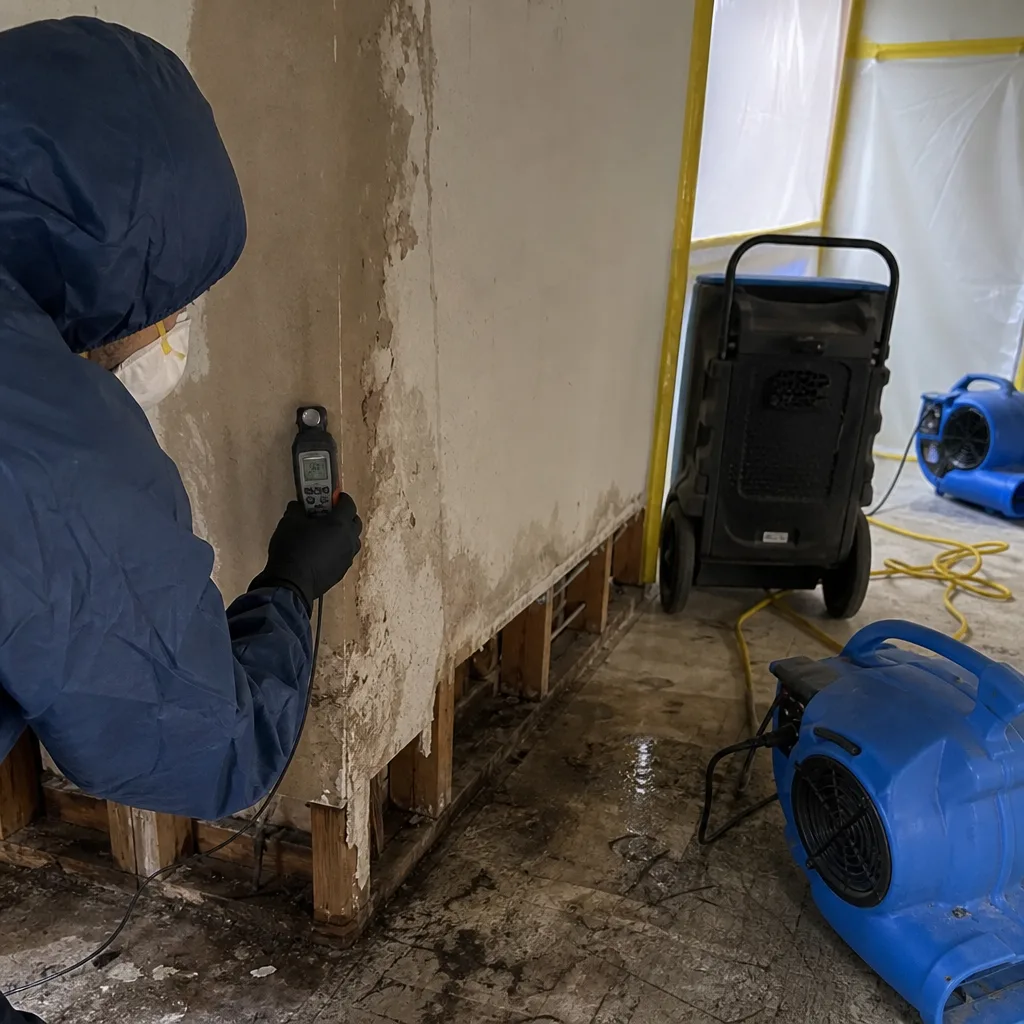 Before
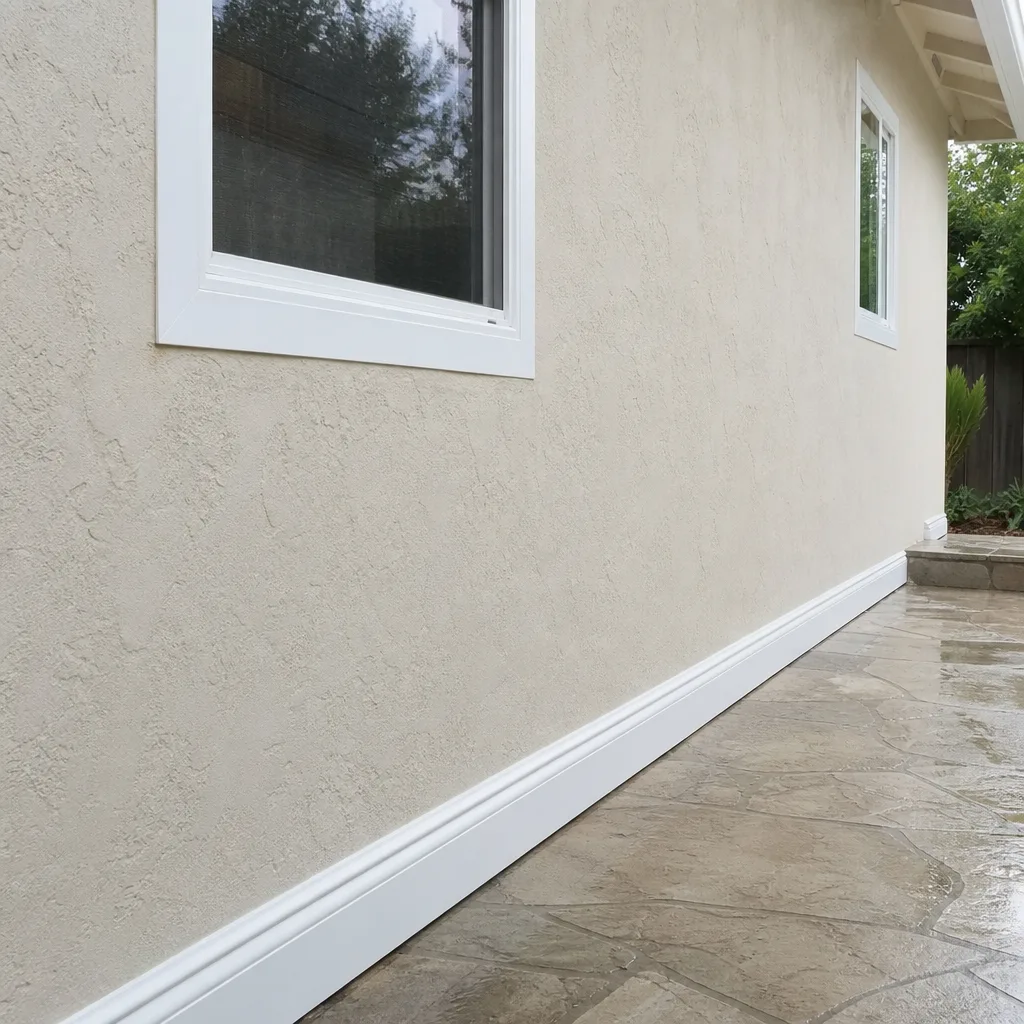 After
AfterDamage Restoration Permits, Codes & Inspections in CA: What You Need to Know
A Carlsbad homeowner selling their home three years after a “permit-free” water damage repair discovered that the unpermitted wall cavity work triggered a $14,000 corrective disclosure requirement. The city’s building record showed no inspection ever occurred, and the buyer’s lender demanded a retroactive permit before funding could close. In California, restoration work that crosses from drying into structural repair without a permit doesn’t just risk fines - it creates a permanent title defect that resurfaces at the worst possible moment. This guide explains exactly where California law draws the line between mitigation and permitted construction, how Carlsbad’s building records work, and what documentation protects your property value - and for more guides & resources, visit our blog.
Quick Answer
Most water damage mitigation in California does not require a building permit, but the moment drying work alters wall cavities, replaces framing, or rebuilds structural components, it triggers permit requirements under the California Building Code. In Carlsbad, unpermitted structural restoration creates a permanent gap in your property’s inspection history that can block sales, refinancing, and insurance renewals. The dividing line is not the size of the water loss - it’s whether the scope of work includes structural repair or reconstruction.
Table of Contents
- When Is a Permit Actually Required for Restoration Work?
- How Carlsbad Building Records Affect Your Property Forever
- Mitigation Contractor vs. Licensed General Contractor: Who Can Sign What
- Mold Remediation Permits and Cal/OSHA Clearance Standards
- How to Request and Read a Carlsbad Building Permit History
- What Documentation Your Insurance Adjuster Actually Needs
- Common Mistakes to Avoid
- When to Call a Professional
- Frequently Asked Questions
BeforeAfterWhen Is a Permit Actually Required for Restoration Work?
The California Building Code draws a sharp distinction between mitigation and construction. Understanding where that line falls saves homeowners from retroactive permit costs that routinely exceed $2,000 in Carlsbad, not including the corrective work itself.
Permit-Exempt Mitigation Work
Pure drying and stabilization activities typically do not require a building permit under CBC Section 105.2. This includes:
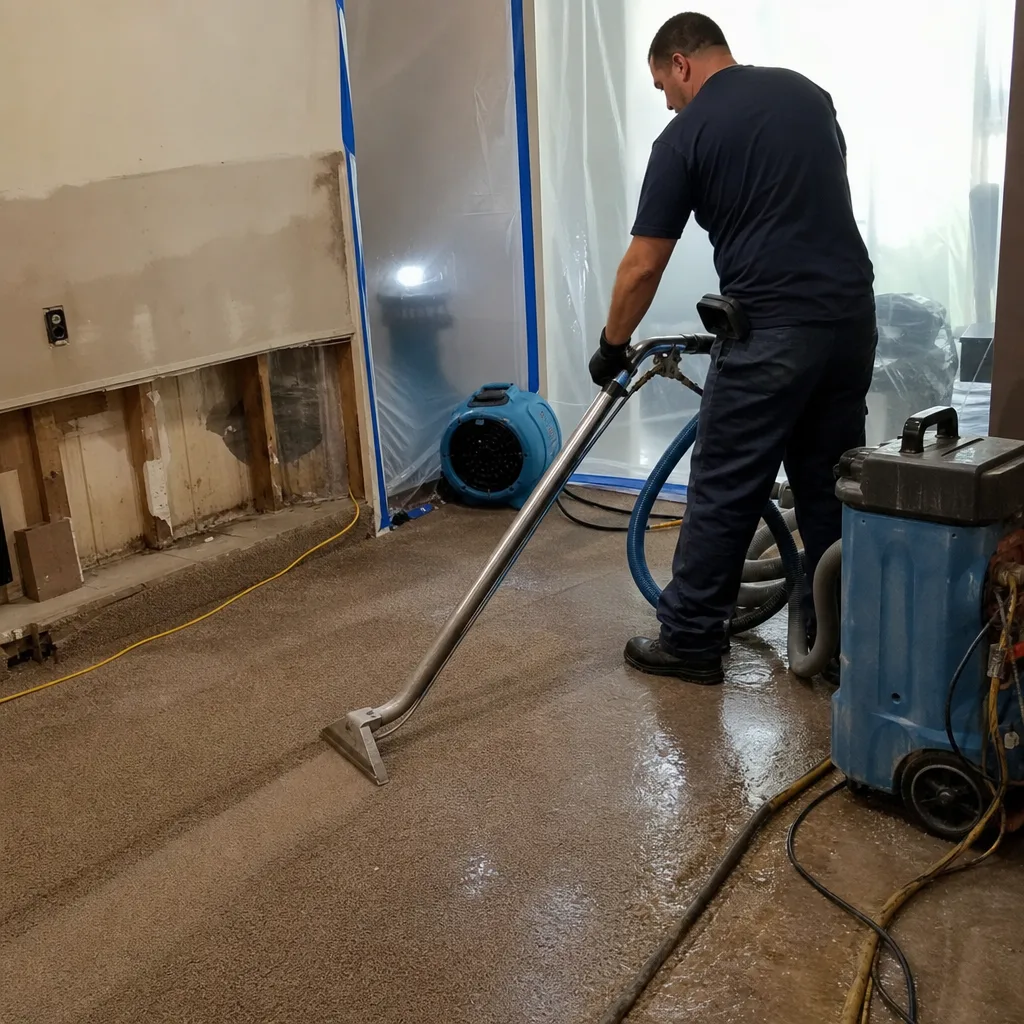
- Water extraction and surface drying using professional-grade equipment
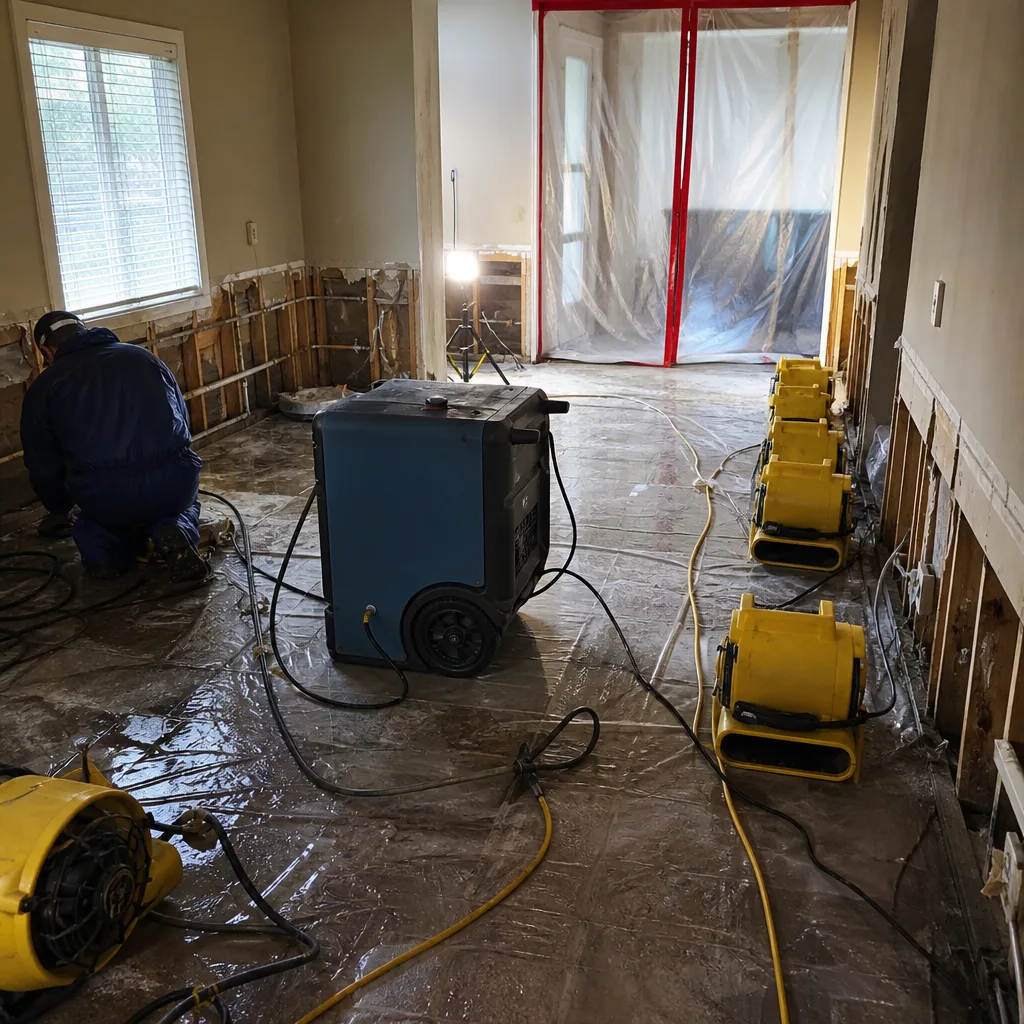
- Placement of air movers, dehumidifiers, and negative air machines
- Removal of wet carpet, pad, and non-structural flooring materials
- Drilling of small weep holes in drywall for air circulation (when not requiring replacement)
- Application of antimicrobial treatments to accessible surfaces
- Installation of containment barriers for mold or biohazard isolation
We’ve deployed Water Damage Restoration in Carlsbad jobs where our psychrometric data - the daily moisture readings, temperature, and relative humidity logs tracked per room - demonstrated that drying completed without any structural intervention. Those jobs closed with documentation only, no permit required.
Work That Triggers Mandatory Permitting
Once the scope crosses into structural alteration or reconstruction, CBC Section 105.1 requires a permit. In our experience, these triggers catch homeowners by surprise:
- Removal of drywall or plaster exposing wall cavities - when the removed material exceeds 32 square feet in any single room, Carlsbad Building Division interprets this as structural access requiring inspection
- Replacement of wall, ceiling, or floor framing members - even a single 2×4 stud with moisture content above 19% that gets removed and replaced triggers structural permit requirements
- Subfloor replacement or repair - any work affecting the structural layer between conditioned space and crawl space or between stories
- Roof decking repair following storm or fire damage - the structural connection between roof covering and framing
- Electrical, plumbing, or HVAC component replacement - even when necessitated by water or fire damage, these require separate trade permits
- Window or door replacement where the rough opening is modified - common in fire restoration where framing has charred
The critical threshold is structural integrity. If the work affects load paths, fire ratings, or weather protection, it requires permitting regardless of who caused the damage or how small the repair appears.
The Hidden Trigger: “Like-for-Like” Replacement
California interprets “repair” and “replacement” differently. Repair of existing materials to pre-damage condition generally does not require permitting. Replacement with new materials - even identical materials - does require permitting when structural elements are involved. We’ve seen Carlsbad homeowners caught by this distinction when a contractor replaced fire-damaged drywall with new 5/8-inch Type X, identical to the original, but the permit inspector noted that no permit existed for the replacement of fire-rated assemblies.
How Carlsbad Building Records Affect Your Property Forever
Carlsbad maintains building permit records as permanent property history, accessible through the Carlsbad Building Division and increasingly through third-party title search services. These records do not age out. A permit gap from 2019 appears with identical prominence to one from 2024.
Where These Records Travel
Building permit history in Carlsbad feeds into multiple systems that affect property transactions:
- Title insurance searches - underwriters flag unpermitted work as potential encumbrances or code violations affecting property value
- Lender due diligence - conventional mortgages, particularly Fannie Mae and Freddie Mac products, require disclosure of unpermitted structural work
- Homeowner insurance renewals - carriers increasingly pull permit histories; unpermitted electrical or plumbing work can trigger non-renewal
- Property tax assessments - unpermitted improvements discovered during sale can trigger supplemental assessments with penalties
- Real estate disclosure requirements - California Civil Code Section 1102.6 mandates disclosure of unpermitted work known to the seller
The Carlsbad Disclosure Threshold
In Carlsbad specifically, the combination of high property values and active code enforcement creates elevated risk. The city’s median home price - above $1.4 million as of early 2025 - means buyers conduct thorough due diligence. A missing permit on $3,000 of wall cavity work can delay closing by 6-8 weeks while the homeowner obtains a retroactive permit, pays penalties, and opens walls for inspection.
The $14,000 corrective disclosure from our opening example broke down as: $850 for retroactive permit application and penalties, $4,200 for re-opening and re-inspecting wall cavities, $2,400 for a structural engineer’s letter confirming repair adequacy, $3,800 in extended carrying costs for the delayed sale, and $2,750 in legal fees to address buyer contractual claims. The original contractor had long since disappeared.
Climate-Specific Carlsbad Considerations
Carlsbad’s coastal climate - marine layer moisture, salt air exposure, and occasional heavy winter storms - creates restoration scenarios that frequently cross into structural work. We’ve documented cases in the La Costa area where repeated moisture intrusion behind stucco required full wall cavity exposure, and in the Olde Carlsbad historic district where raised foundation homes needed subfloor work after slab-adjacent water losses. Both scenarios required permits that mitigation-only contractors were not licensed to obtain.
Mitigation Contractor vs. Licensed General Contractor: Who Can Sign What
California law assigns distinct legal authorities to different license types. Using the wrong contractor for permitted work voids insurance coverage and creates personal liability for the homeowner, a topic we explore in DIY vs Professional Damage Restoration: The Carlsbad Homeowner’s Decision Guide.
The Mitigation Contractor’s Legal Boundary
A water damage or mold remediation contractor operating under a California Contractor State License Board classification typically holds a C-61/D-64 (Non-Specialized) or related specialty classification. This authorizes:
- Emergency water extraction and structural drying
- Content manipulation and pack-out coordination
- Demolition of non-structural materials
- Application of antimicrobial and biocide treatments
- Installation of temporary containment and negative air systems
What this license does not authorize: signing permit applications for structural repair, performing electrical or plumbing work beyond minor disconnection for drying access, or certifying that rebuilt assemblies meet code.
The Licensed General Contractor’s Role
Structural repair and reconstruction require a B-General Building contractor or appropriate specialty contractor (C-36 Plumbing, C-10 Electrical, C-20 Warm-Air Heating, etc.). Only these license holders can:
- Sign permit applications under their license number
- Schedule and pass building inspections
- Certify that repairs comply with CBC, California Mechanical Code, California Plumbing Code, and California Electrical Code
- Obtain certificate of occupancy or final inspection sign-off
- Warranty structural work under California’s 10-year structural defect statute
The Documentation Gap That Kills Claims
We’ve reviewed competitor estimates where a mitigation contractor quoted “replace damaged drywall” without specifying who would obtain the permit. Haven Standard, Clause 1 requires that our written price before work begins identifies the responsible party for each scope element, as detailed in How to Hire a Damage Restoration Contractor in Carlsbad: A Step-by-Step Guide. When structural rebuild is required, our estimate specifies either: (a) DryMark coordinates permit-ready documentation for your selected general contractor, or (b) DryMark engages a licensed B-contractor partner with permit authority, with their license number and insurance certificate attached.
This distinction matters for insurance coverage. Most homeowner policies cover “like kind and quality” repair performed by qualified contractors. If an insurer discovers that structural repair was performed by an unlicensed party, they may deny that portion of the claim and potentially rescind coverage for material misrepresentation.
Alicia Brennan’s Experience
Before founding DryMark Restoration Carlsbad home in 2011, I spent years reviewing restoration invoices as a claims adjuster. The single most common reason for claim denials was not fraud or exaggeration - it was documentation that failed to establish who performed work requiring specific licensure. A drying log from an XPOWER or B-Air deployment proves mitigation. It does not prove that structural rebuild met code. We built our documentation system to close that gap before it opens.
Mold Remediation Permits and Cal/OSHA Clearance Standards
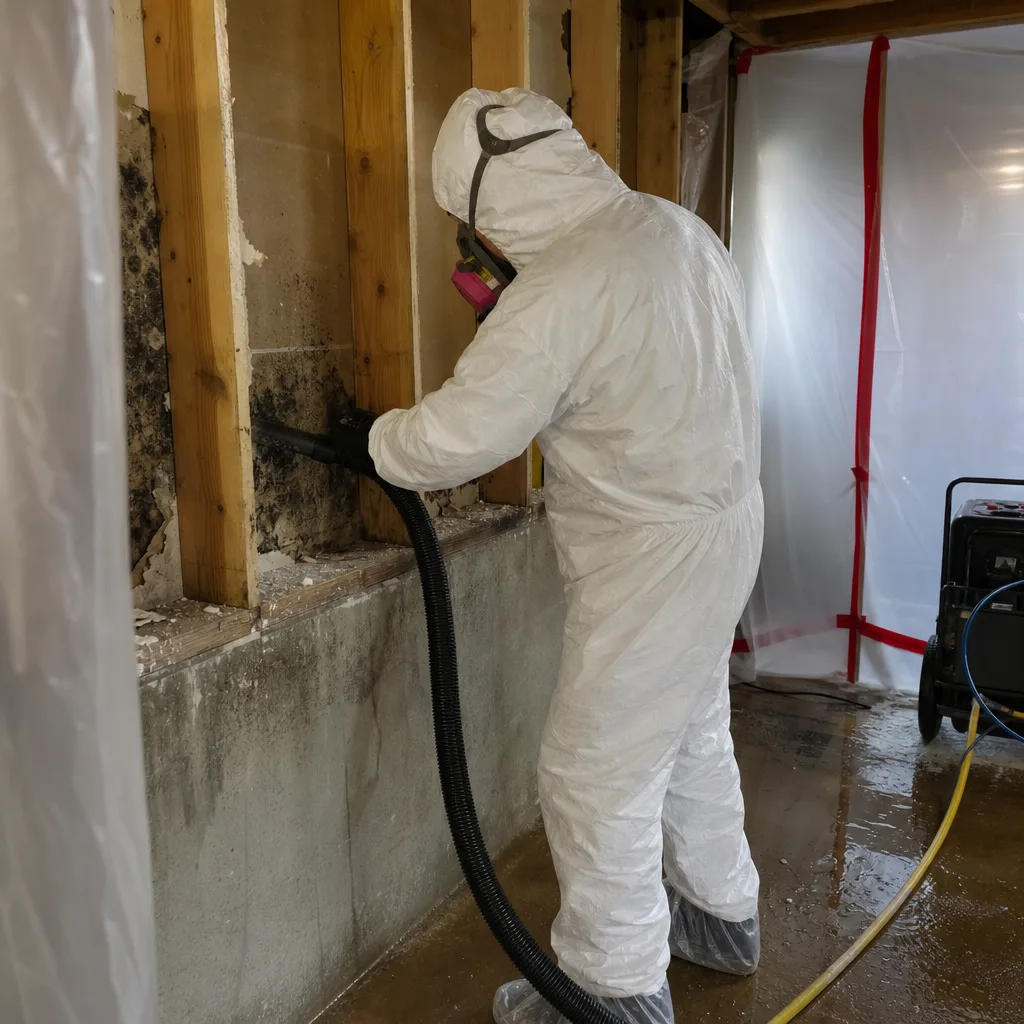
Mold remediation occupies a distinct regulatory space in California, with requirements that vary by jurisdiction and contamination extent. Carlsbad applies both state and local standards that affect permitting and project closure.
When Mold Remediation Requires a Permit
California does not have a standalone “mold permit,” but mold remediation frequently triggers permitting through associated work:
- Contamination area exceeding 100 square feet - Carlsbad Building Division requires permit for demolition and reconstruction of affected assemblies
- HVAC system contamination - requires mechanical permit for duct cleaning, filter replacement, or air handler work
- Structural wood replacement - framing members with >10% moisture content or visible fungal growth require permitted replacement
- Negative pressure containment exceeding one room - may trigger fire safety inspection for altered egress or ventilation
Cal/OSHA Clearance Requirements
For remediation in occupational settings, Cal/OSHA Title 8, Section 1529 (GISO) requires clearance sampling by a third-party industrial hygienist for containment areas exceeding 100 square feet. While residential owner-occupied work is exempt from GISO, Carlsbad’s municipal code adopts similar standards for rental properties, common interest developments, and any work performed by paid contractors.
The clearance standard requires:
- Visual inspection confirming no visible mold, dust, or debris in containment area
- Air sampling showing spore levels comparable to outdoor baseline or reference area
- Surface sampling (tape lift or swab) confirming no remaining viable growth on cleaned surfaces
- Written clearance report from a CIH (Certified Industrial Hygienist) or equivalent, with sample locations, laboratory methods, and pass/fail determination
Documentation That Proves Closure
Our Mold Remediation in Carlsbad jobs deliver a closure package including: daily moisture logs showing return to baseline, photo documentation of each remediation phase, third-party clearance report when required, and - when structural repair was necessary - permit application copies with inspection sign-offs. This package is what turns a restoration invoice into a claim an insurer pays without dispute, and what protects property value at future sale.
We’ve encountered properties in the Bressi Ranch area where previous mold remediation lacked clearance documentation, requiring complete re-remediation at homeowner expense because no insurer would cover undocumented prior work. The Haven Standard requires that we never leave a job without closure documentation that would survive a future title search or insurance review.
How to Request and Read a Carlsbad Building Permit History
Property owners and prospective buyers can access Carlsbad building records through multiple channels. Understanding what to request and how to interpret restoration-related entries prevents surprises during transactions.
Requesting Your Property’s Permit History
- Online: Carlsbad Connect - The city’s permit portal at carlsbadca.gov provides property-specific permit search by APN (Assessor’s Parcel Number) or address. Records extend to approximately 1985 for most properties; older records may require in-person request.
- In-person: Carlsbad Building Division - Located at 1200 Carlsbad Village Drive, the counter staff can produce complete permit folders including applications, plans, inspection records, and corrections. Request the “complete permit history” specifically; basic searches may omit expired or abandoned permits that still appear in title searches.
- Third-party title search - Title companies pull permit histories as part of preliminary title reports. Request a copy of this search before closing any purchase; it often catches permits not visible in city online searches.
What Restoration-Related Entries Look Like
Permit records use standardized codes. Entries relevant to restoration work include:
- BLD-RES - Residential building permit, required for structural repair, reconstruction, or alteration
- PLB - Plumbing permit, triggered by water heater replacement, pipe repair, or fixture replacement beyond like-for-like
- ELE - Electrical permit, required for panel work, circuit additions, or fixture replacement in fire-damaged areas
- MEC - Mechanical permit, for HVAC work including duct replacement and air handler work
- DEM - Demolition permit, required for extensive removal of structural elements before rebuild
- FIN - Final inspection sign-off, the critical entry proving code compliance
Red Flags in Permit History
When reviewing a Carlsbad permit history, watch for these patterns that indicate potential restoration issues:
- Permit opened, no final inspection - Work may be incomplete or abandoned; requires correction before sale
- Multiple plumbing permits in short timeframe - Possible recurring leak or inadequate initial repair
- Demolition permit without corresponding build permit - Structure may have been partially demolished without authorized reconstruction
- Permit corrections or re-inspections - Indicates initial work failed inspection; review details for structural or safety concerns
- Work described as “repair” with no permit - If structural, this is unpermitted work requiring disclosure
We’ve assisted Carlsbad homeowners preparing for sale by reviewing their permit histories and identifying gaps from prior restoration work. In several cases, we were able to document that work performed by prior owners was properly permitted under different APN records or through contractor-held permits that didn’t immediately appear in owner searches.
What Documentation Your Insurance Adjuster Actually Needs
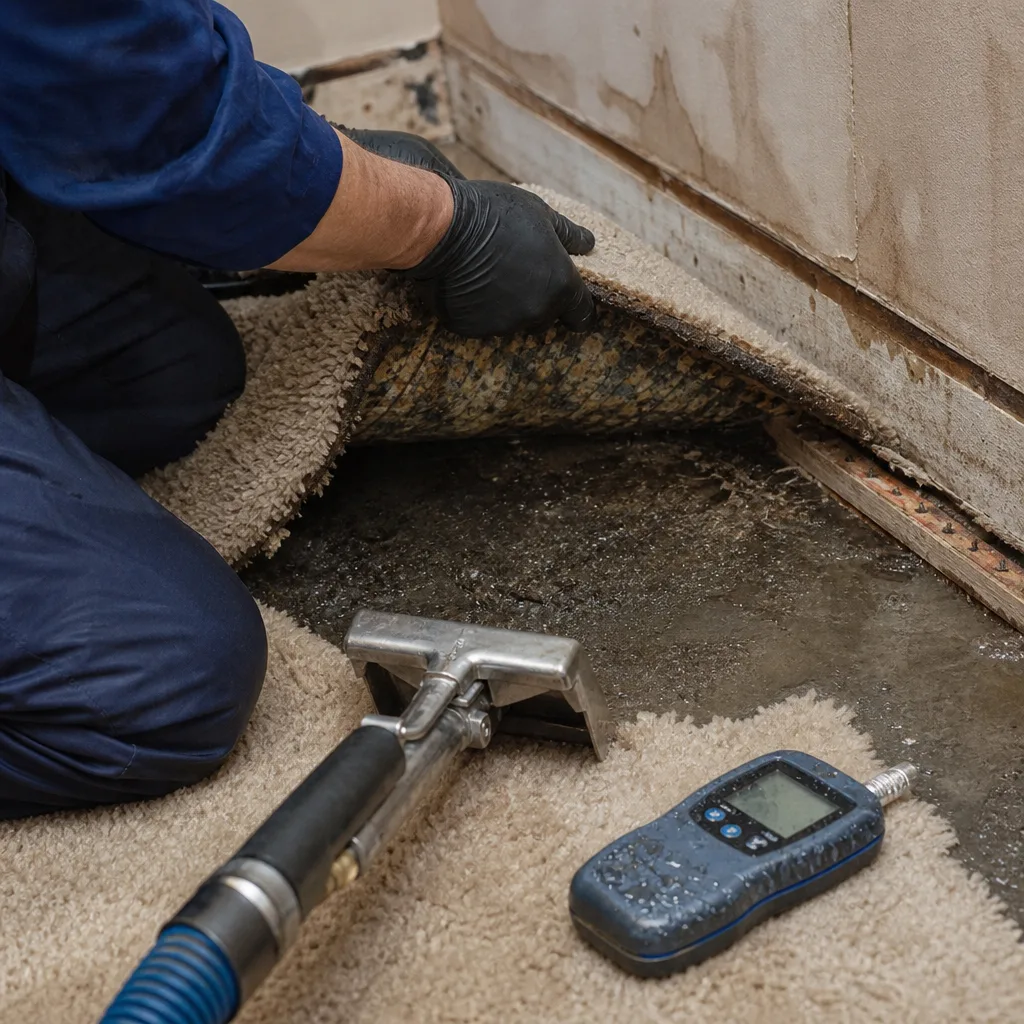
Insurance claim approval for restoration work depends on documentation that establishes three facts: the loss occurred as claimed, the proposed work is necessary and appropriate, and the party performing it is qualified. Carlsbad’s permit requirements intersect directly with these evidentiary standards.
The Documentation Hierarchy
From our experience processing claims with major carriers in the San Diego market, adjusters prioritize documentation in this order:
- Permit application and approved plans - For structural work, this is non-negotiable. Adjusters will not approve rebuild costs for unpermitted work that requires permitting.
- Written scope with line-item pricing - Haven Standard, Clause 1: our written price before work begins, with each line item mapped to a specific material, labor hour count, or equipment deployment.
- Photo documentation with timestamps - Our standard deliverable: photos of loss conditions, drying progress, and completion, geotagged and timestamped, uploaded to a shared folder within 24 hours of each site visit.
- Daily moisture logs - Psychrometric data showing temperature, relative humidity, and moisture content readings per room, per day, with equipment placement maps. This proves that drying completed before rebuild began, preventing mold claims.
- Third-party clearance reports - For mold, asbestos, or lead-related work, industrial hygienist clearance is required before rebuild approval.
- Final inspection sign-offs - Certificate of completion or final inspection approval from Carlsbad Building Division, proving code compliance for structural work.
The Adjuster’s Permitting Verification
Major carriers now routinely verify permits through Carlsbad’s online system or direct Building Division inquiry. We’ve seen claim payments held pending permit verification, particularly for:
- Fire restoration with structural rebuild components
- Water losses affecting multiple rooms or stories
- Any work involving electrical, plumbing, or HVAC replacement
- Storm damage with roof or exterior envelope repair
Our Fire & Smoke Damage Restoration in Carlsbad estimates include permit cost as a separate line item when required, with the specific permit type and estimated city fee. This transparency prevents the common adjuster objection that “permit costs weren’t in the estimate.”
Direct Insurance Billing Coordination
When DryMark performs permitted restoration work, we coordinate directly with adjusters to ensure documentation meets carrier requirements before submission. This includes pre-approval of permit applications, photo documentation of inspection pass/fail status, and final sign-off packages that close the claim file. Our documentation-first approach - born from Alicia Brennan’s adjuster background - means we understand what documentation survives claim review before we generate it.
Common Mistakes to Avoid
- Assuming mitigation never needs permits. In Carlsbad, extensive wall cavity exposure for drying access can exceed the structural threshold, particularly in homes with fire-rated assemblies or shear walls. Always confirm permit status before demolition begins.
- Letting a mitigation contractor perform rebuild work. A contractor licensed only for drying cannot legally sign structural permits or warranty structural repairs. Verify license classification at cslb.ca.gov before authorizing structural work.
- Failing to obtain final inspection sign-off. An approved permit without final inspection is functionally equivalent to no permit for title and insurance purposes. Track inspection scheduling and ensure your contractor obtains sign-off.
- Not disclosing prior unpermitted work at sale. California’s disclosure requirements are strict; known unpermitted work that isn’t disclosed can trigger rescission rights and damages. Obtain a permit history before listing.
- Accepting verbal assurance that a permit “isn’t needed.” The contractor’s verbal opinion does not protect you from code enforcement or future liability. Request the specific CBC section exemption cited, in writing.
- Overlooking permit requirements for “like-for-like” replacement. California interprets replacement as new construction for permitting purposes when structural elements are involved. Confirm before authorizing any framing, subfloor, or roof decking replacement.
- Neglecting to document mold remediation closure. Without third-party clearance or documented moisture return to baseline, future insurers may treat prior mold as an unresolved pre-existing condition, excluding coverage.
When to Call a Professional
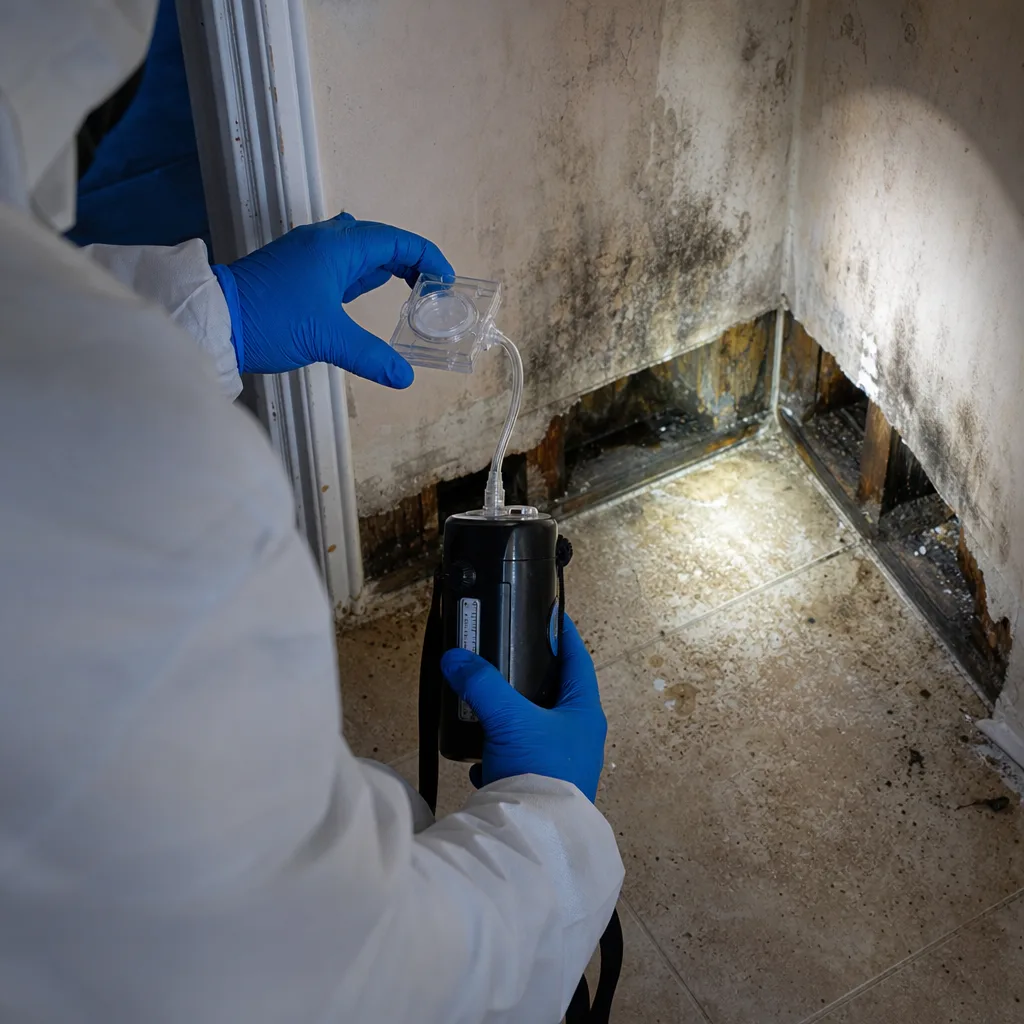
Call a qualified restoration professional when water, fire, or mold damage affects structural elements, spans multiple rooms, or involves electrical, plumbing, or HVAC systems. In Carlsbad, the combination of high property values, strict code enforcement, and permanent permit records means that documentation gaps become expensive problems at sale or refinance.
DryMark Restoration Carlsbad offers free estimates in Carlsbad - call (858) 923-4372. Every estimate includes written identification of permit-required work, the responsible licensed party, and estimated permit costs. Our 365-Day Done Right Promise under The Haven Standard applies to all permitted and non-permitted work, with documentation packages that survive future title searches and insurance reviews. We also provide free second opinions on any competitor’s written estimate, with specific attention to permit compliance and documentation adequacy.
Frequently Asked Questions
No, if the work is limited to extraction, surface drying, and removal of non-structural materials like carpet and pad. Yes, if drying access requires removing drywall exposing wall cavities exceeding 32 square feet, replacing structural framing, or rebuilding subfloors. The dividing line is structural impact, not the severity of the water loss. Call (858) 923-4372 for a free assessment of whether your specific loss requires permitting.
Generally no, for structural components. Most policies contain provisions requiring work to comply with applicable building codes and be performed by qualified contractors. Unpermitted structural work may be denied entirely, and in some cases can trigger policy rescission for material misrepresentation if the insurer discovers the lack of permits during claim review. Always verify permit status before authorizing structural repair.
Search Carlsbad Connect online using your APN or address, visit the Building Division at 1200 Carlsbad Village Drive for complete records, or request your preliminary title report from a title company. Look for BLD-RES, PLB, ELE, or MEC permits with corresponding final inspection (FIN) entries. Gaps in permit history for known structural work indicate unpermitted repairs requiring disclosure and potential correction.
A water damage contractor is licensed for mitigation - extraction, drying, and stabilization. A B-General Building contractor is licensed for structural repair, reconstruction, and permit sign-off. Only the general contractor can legally obtain building permits, schedule inspections, and certify code compliance. For jobs requiring both, DryMark coordinates with licensed general contractor partners, with all license numbers documented in our written scope under Haven Standard, Clause 1.
Permanently. Carlsbad’s building records are maintained indefinitely and are increasingly accessible through digital title search services. A permit gap from 2015 affects a 2025 sale with identical visibility to a recent gap. This permanence is why documentation of proper permitting protects property value across decades.
You need: proof that remediation was performed by qualified contractors (license numbers), moisture logs showing affected materials returned to baseline, photo documentation of remediation and completion, and third-party clearance report if contamination exceeded 100 square feet or was in a rental or common interest property. Without this documentation, buyers’ inspectors may recommend re-remediation, and insurers may exclude mold coverage as a pre-existing condition.
The Bottom Line
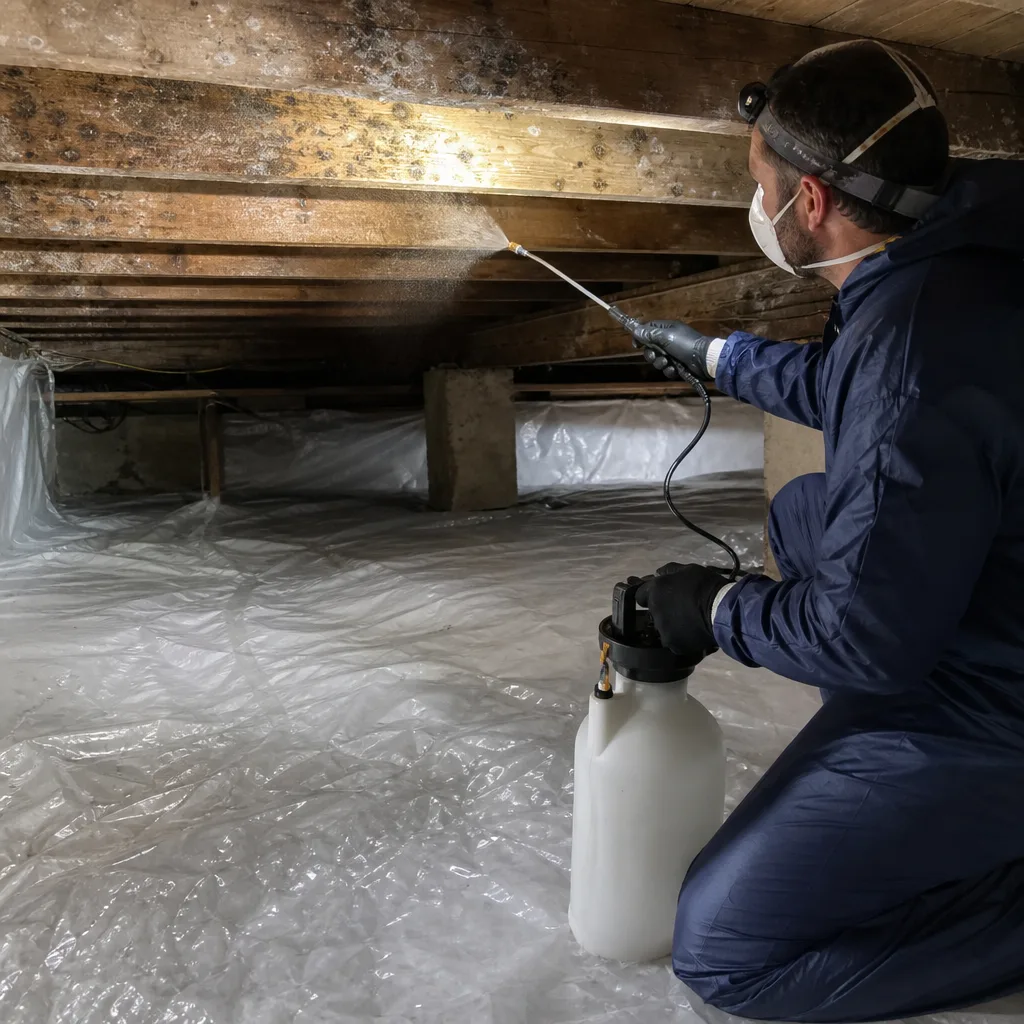
California’s permit boundary for restoration work is not where most homeowners expect it. The moment structural elements enter the scope, permitting becomes mandatory, permanent, and verifiable by anyone with your address. In Carlsbad’s high-value market, unpermitted restoration creates title defects that routinely cost ten times the original permit fee to resolve. The protection is documentation: a written scope identifying permit requirements, a licensed contractor authorized to obtain them, and a final inspection record that closes the loop. DryMark Restoration Carlsbad builds every estimate around this documentation standard - because we’ve seen what happens when it’s missing.
Written by Alicia Brennan, Owner at DryMark Restoration Carlsbad, serving Carlsbad since 2011.