
Last updated September 23, 2026
Free visual inspection and a written scope of work before any mitigation begins - photos, moisture readings, and drying logs go in your claim file
The scope we write is the scope we bill. Anything new gets shown to you, in writing, before we touch it.
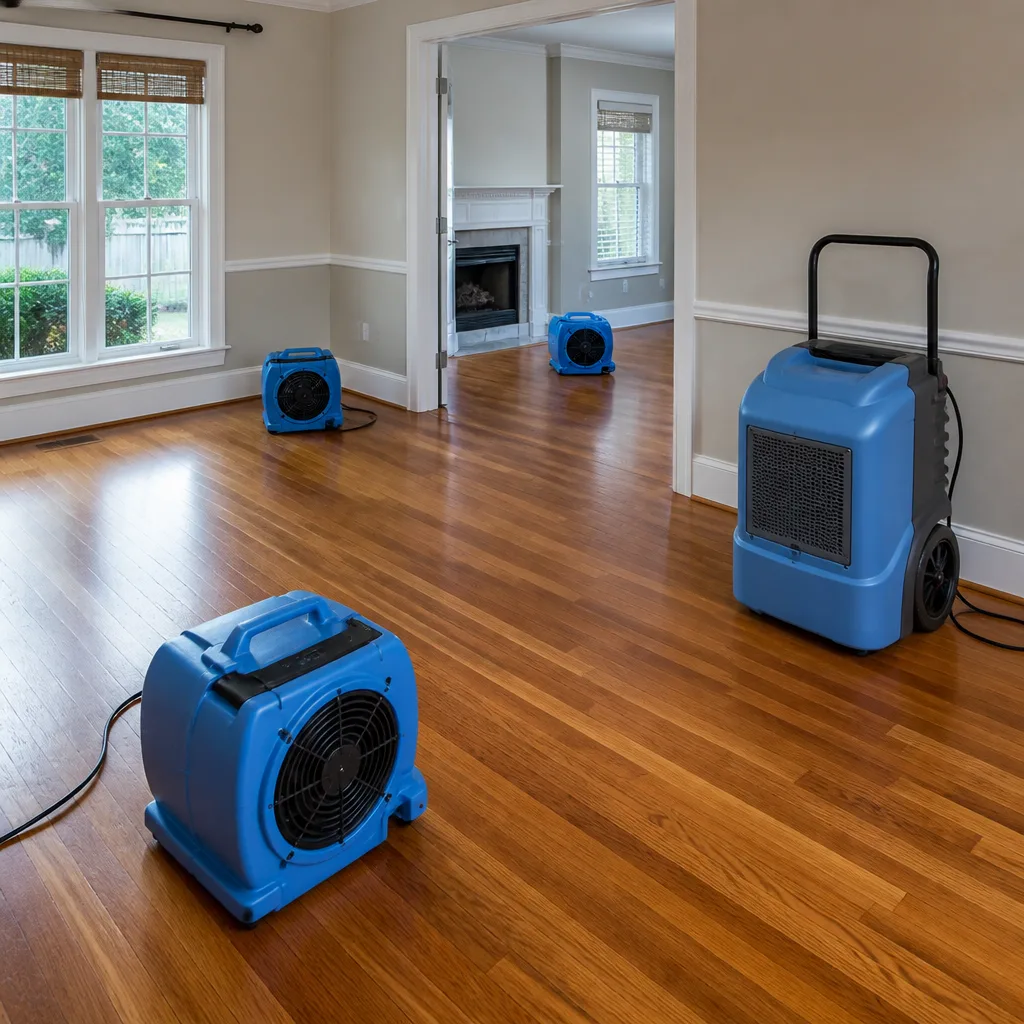
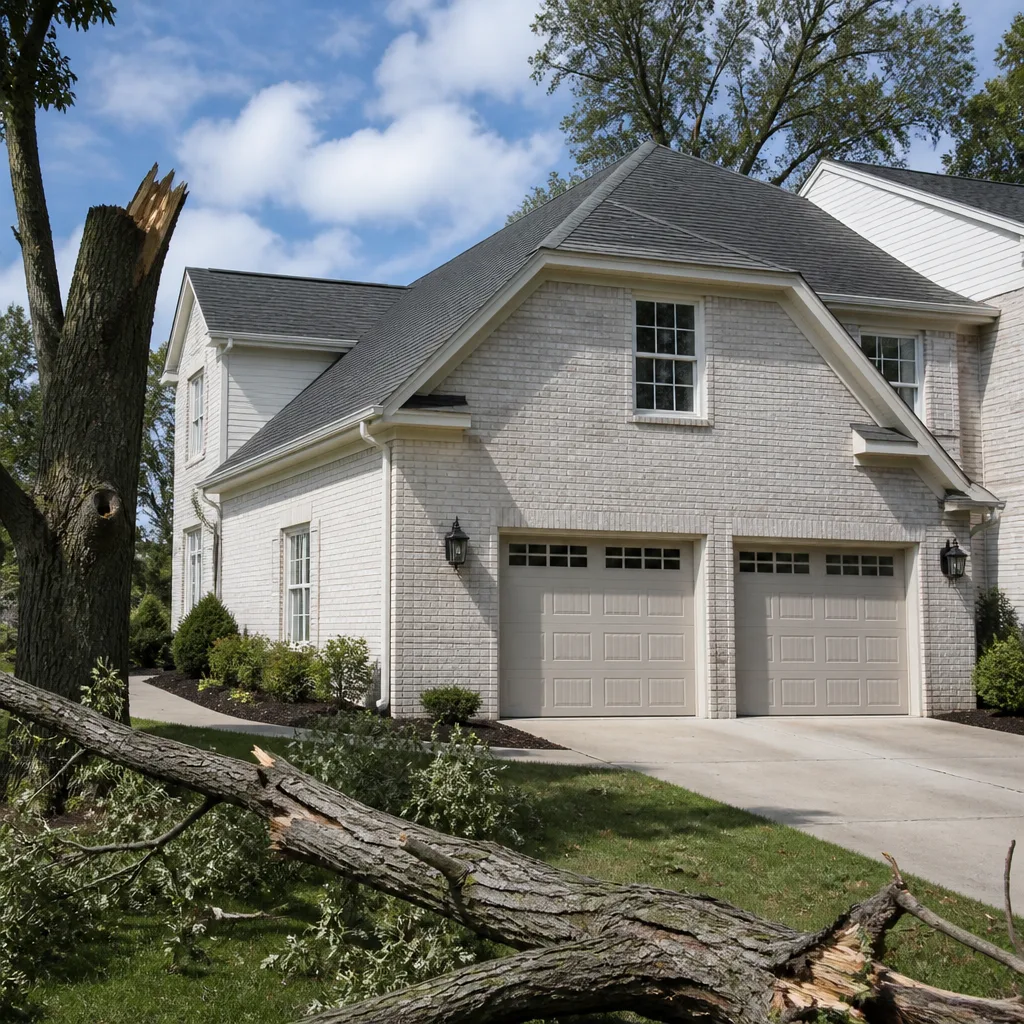
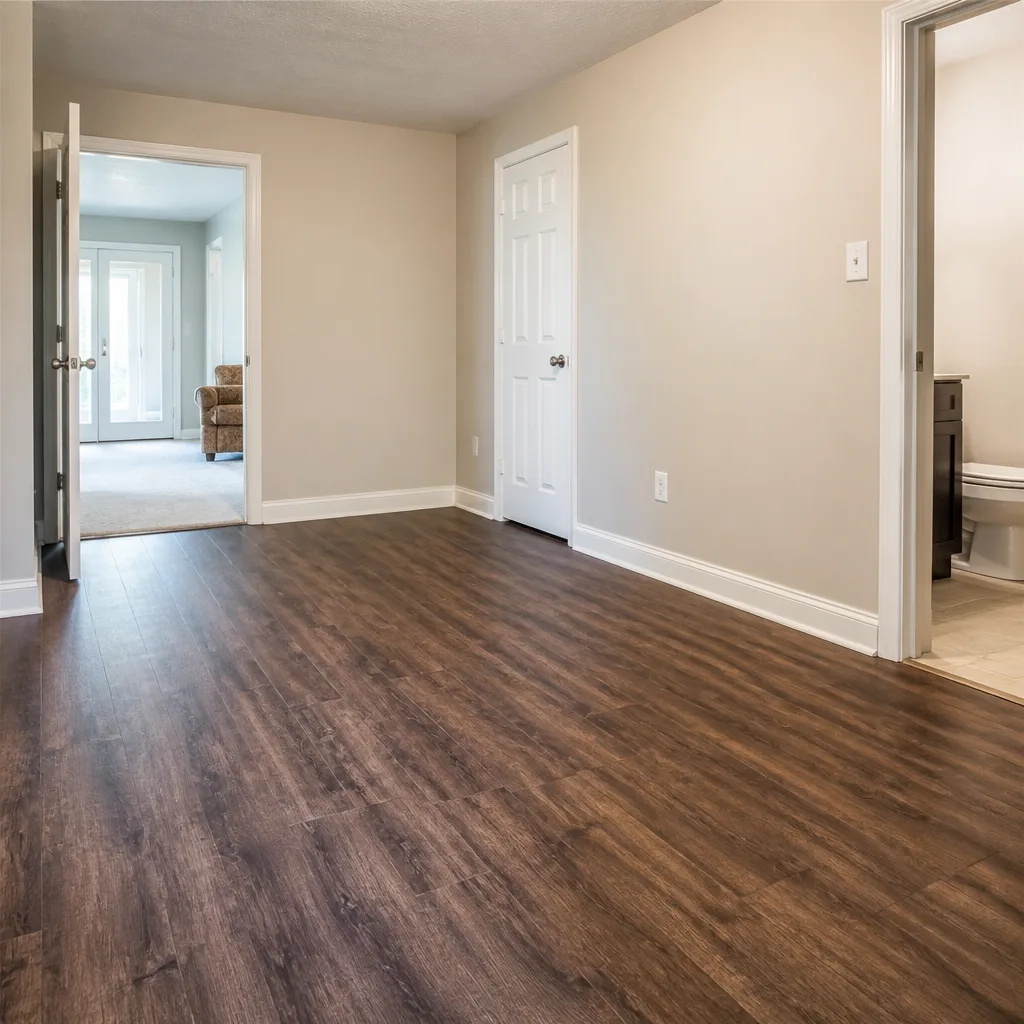
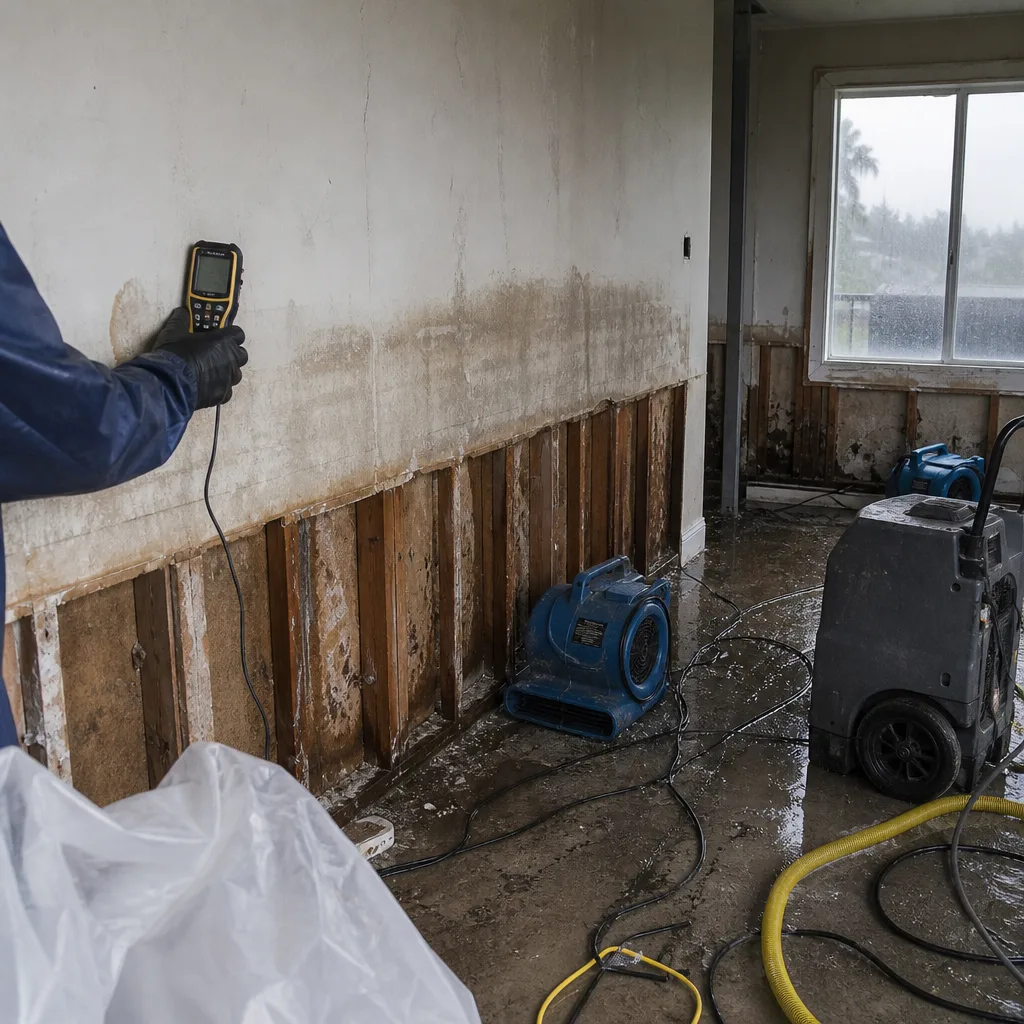 Before
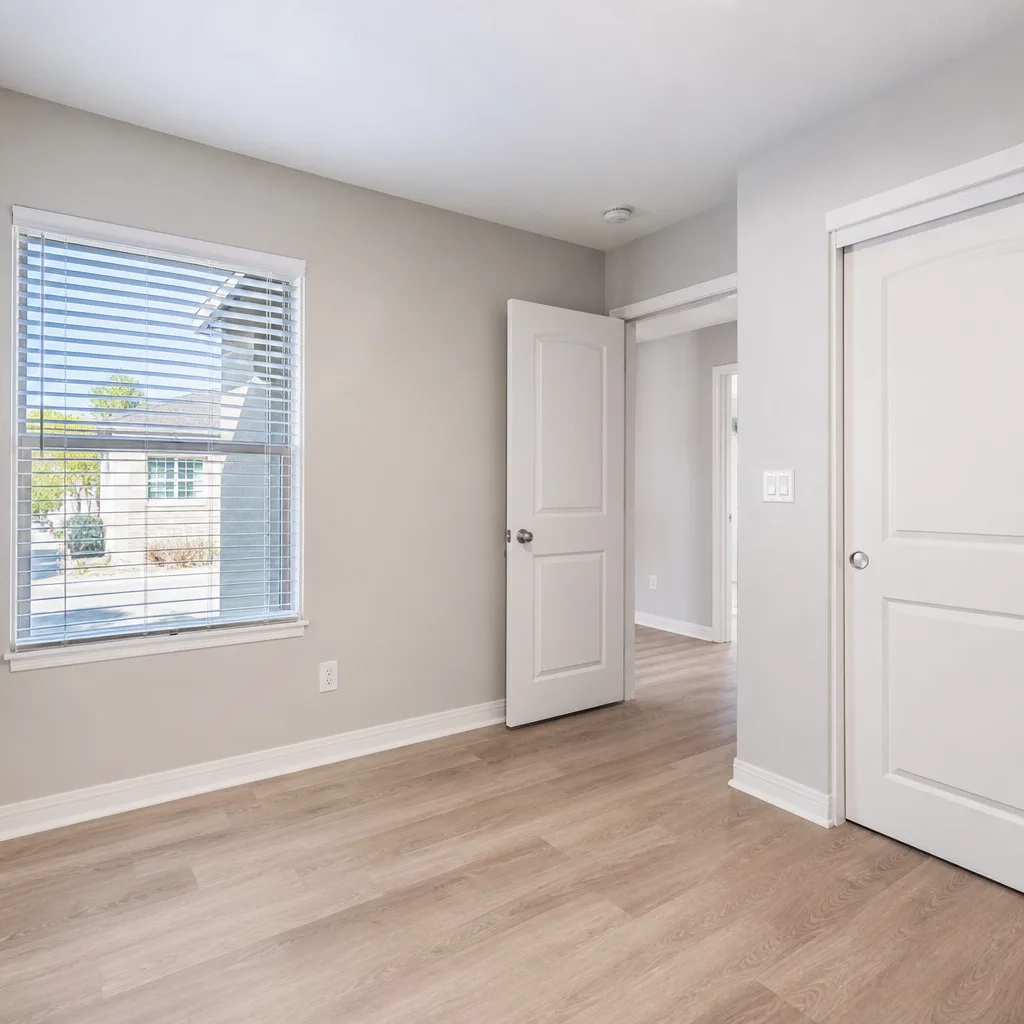 After
After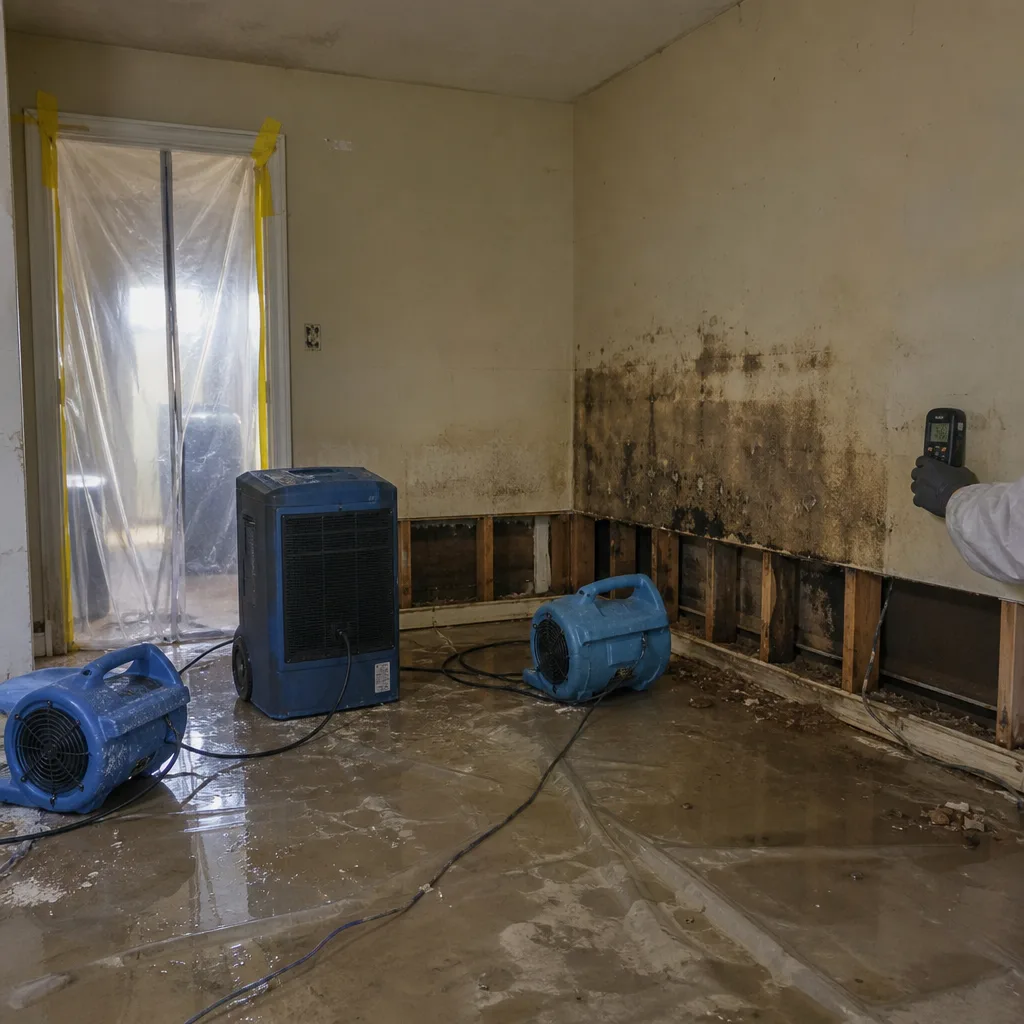 Before
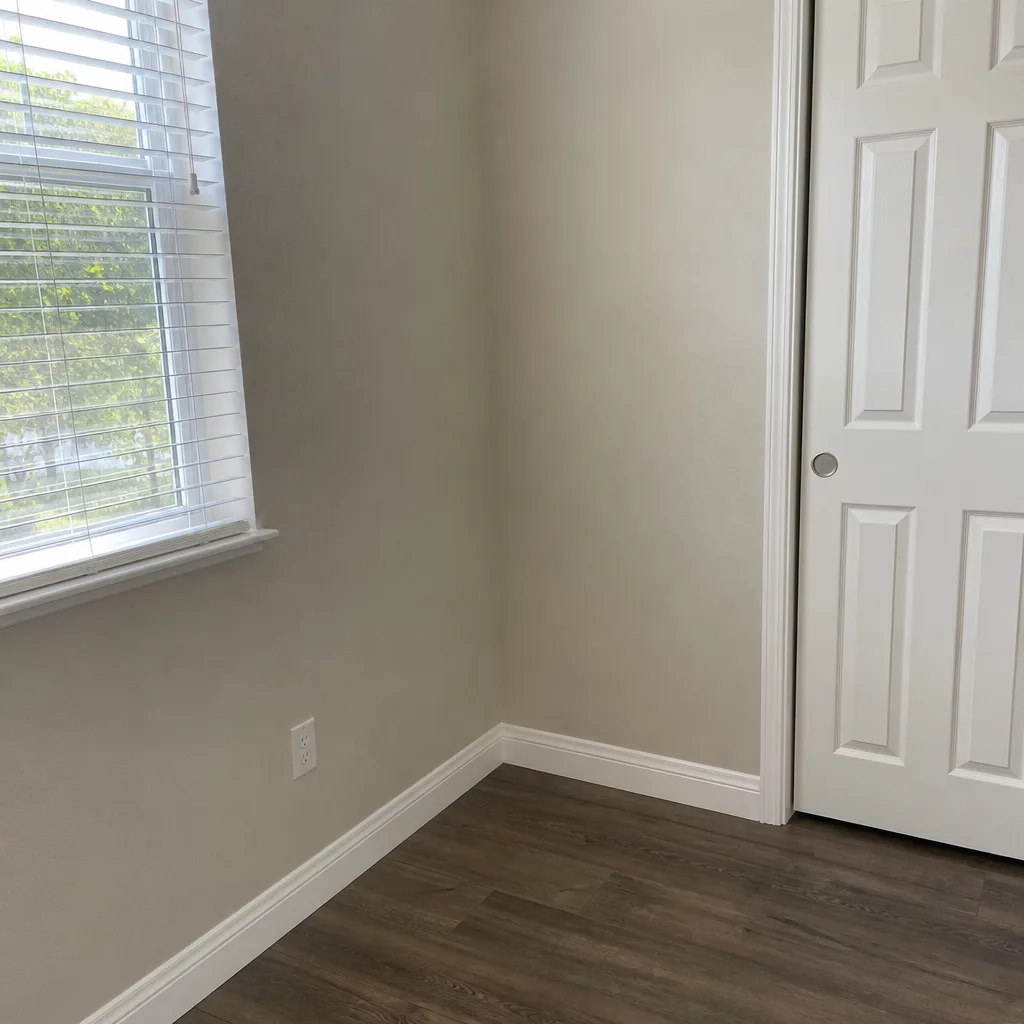 After
After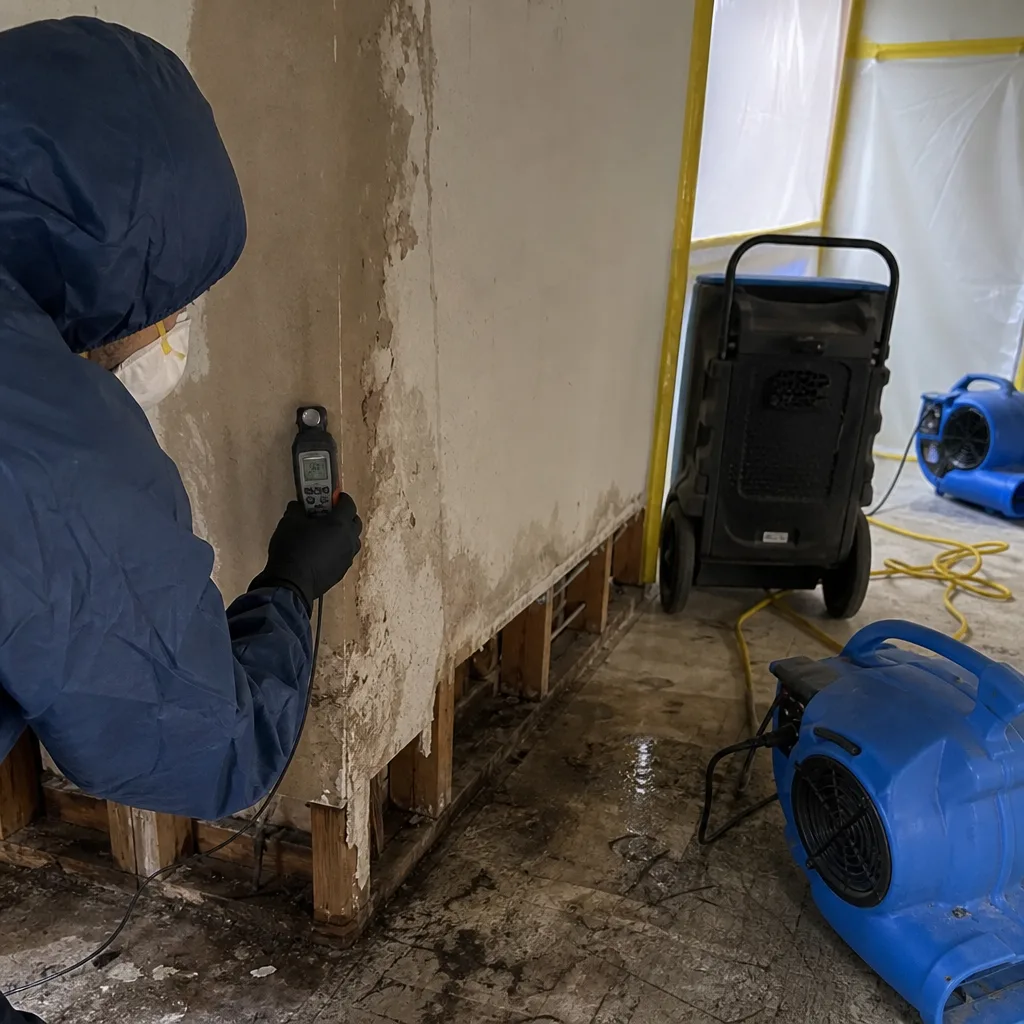 Before
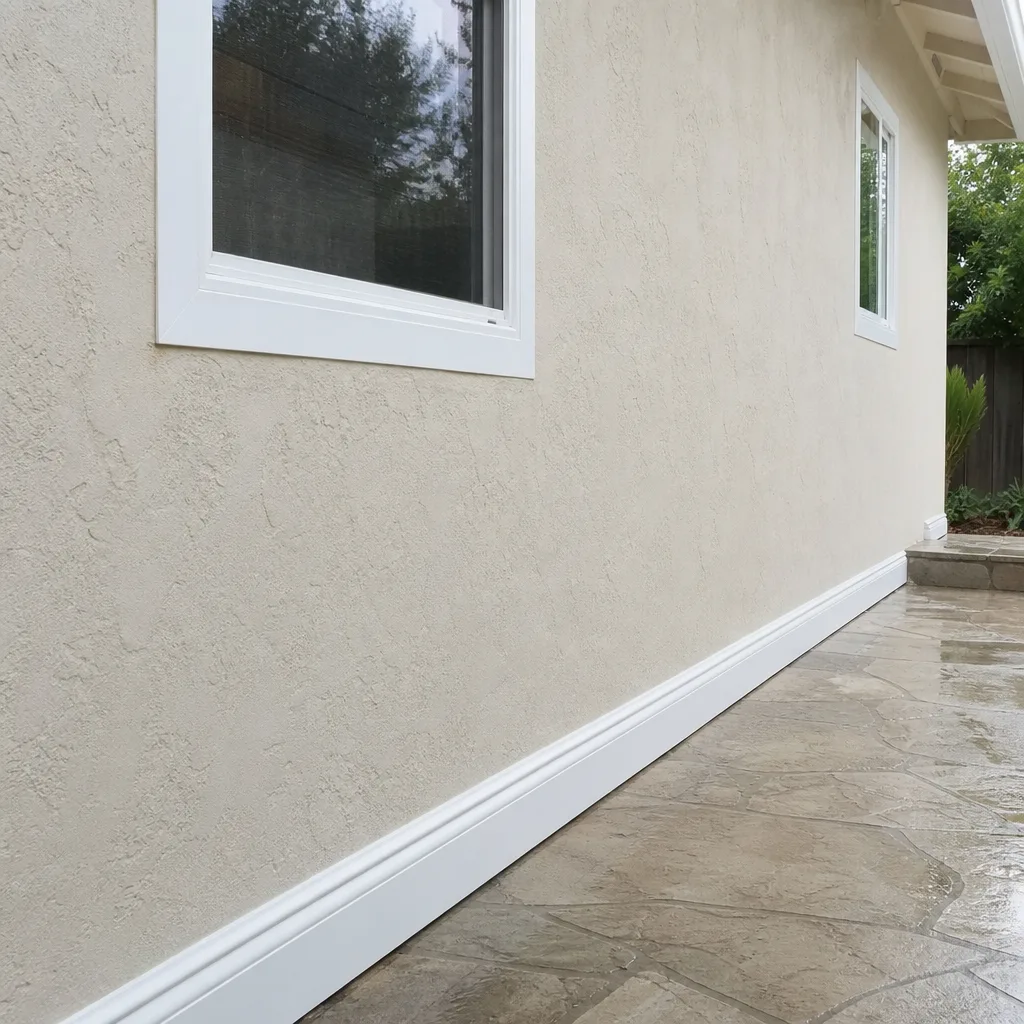 After
AfterThe Complete Guide to Damage Restoration in Carlsbad
Insurance adjusters deny or reduce restoration claims not because damage didn’t happen, but because the paperwork trail stops before the drying does. In California, that gap costs homeowners an estimated $4,800 per underpaid claim on average. Carlsbad’s coastal climate makes this worse: with baseline humidity running 70-85% RH year-round, a house can feel dry to the touch while moisture meters still read above 17% in structural wood, the threshold where mold colonizes and adjusters start asking questions. This guide maps the full chain of documented handoffs, from the first moisture reading to the final clearance photo, so nothing falls through.
Quick Answer
Damage restoration in Carlsbad is a four-phase documentation sequence: initial moisture readings, daily drying logs, scope sign-off, and final clearance photos. For a deeper look at what to watch for, see our Damage Restoration Warning Signs: A Carlsbad Homeowner’s Reference Guide. Each phase creates an enforceable record that keeps your insurance claim whole. Skip any link in that chain, and you create a dispute point that costs California homeowners an average of $4,800 in reduced payouts.
Table of Contents
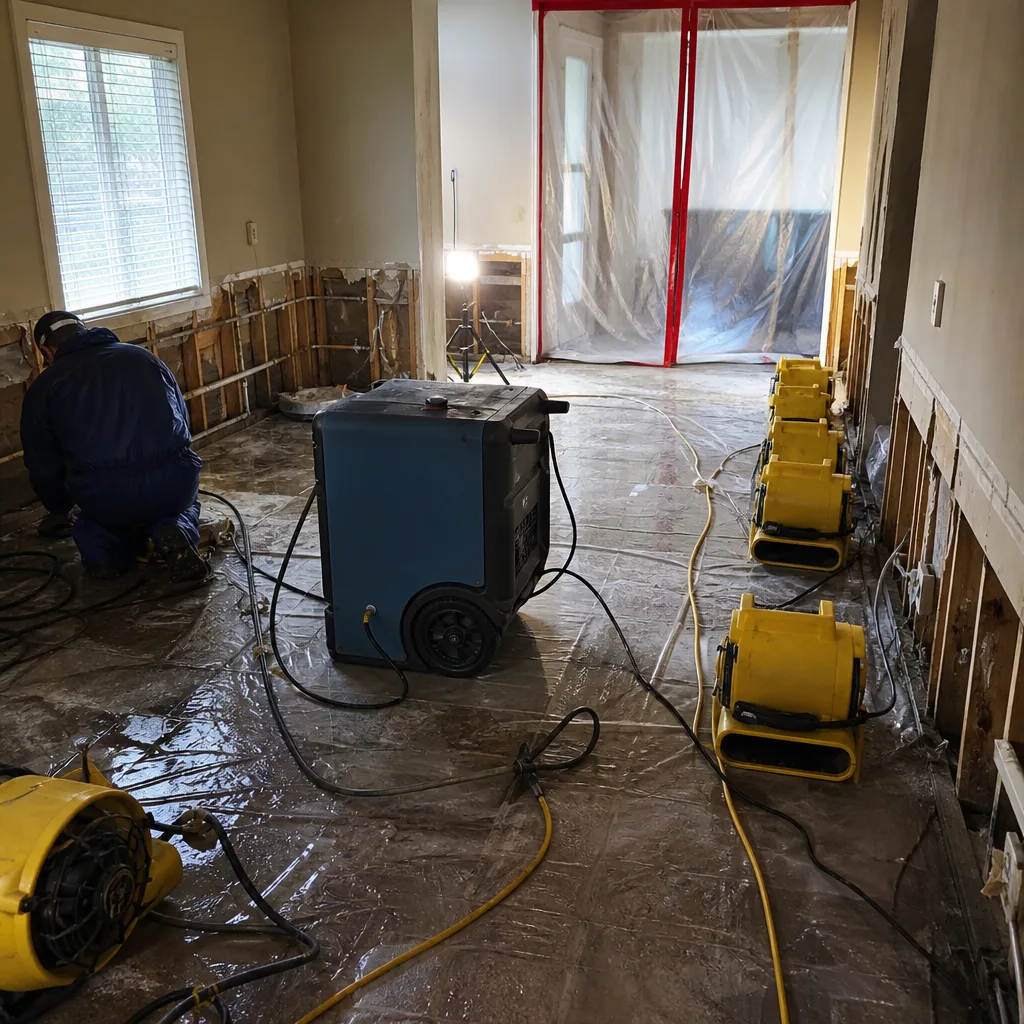
- The Four-Phase Documentation Sequence
- How Carlsbad’s Coastal Humidity Changes What ‘Dry’ Means
- Mitigation Invoice vs. Rebuild Scope: Why Combining Them Triggers Audits
- What Your Written Price Contract Must Include Under California Law
- How to Read a Drying Log and Spot Whether Extraction Is Actually Working
- Common Mistakes to Avoid
- When to Call a Professional
- Frequently Asked Questions
BeforeAfterThe Four-Phase Documentation Sequence
Most homeowners in Carlsbad think restoration starts when a crew shows up and ends when the fans leave. In our experience with 12,000+ homes since 2011, the real work is the paper trail that runs parallel to every physical action. We built DryMark Restoration Carlsbad around this gap because Alicia Brennan came from claims adjusting and saw what happened when documentation broke down.
Phase 1: Initial Moisture Readings
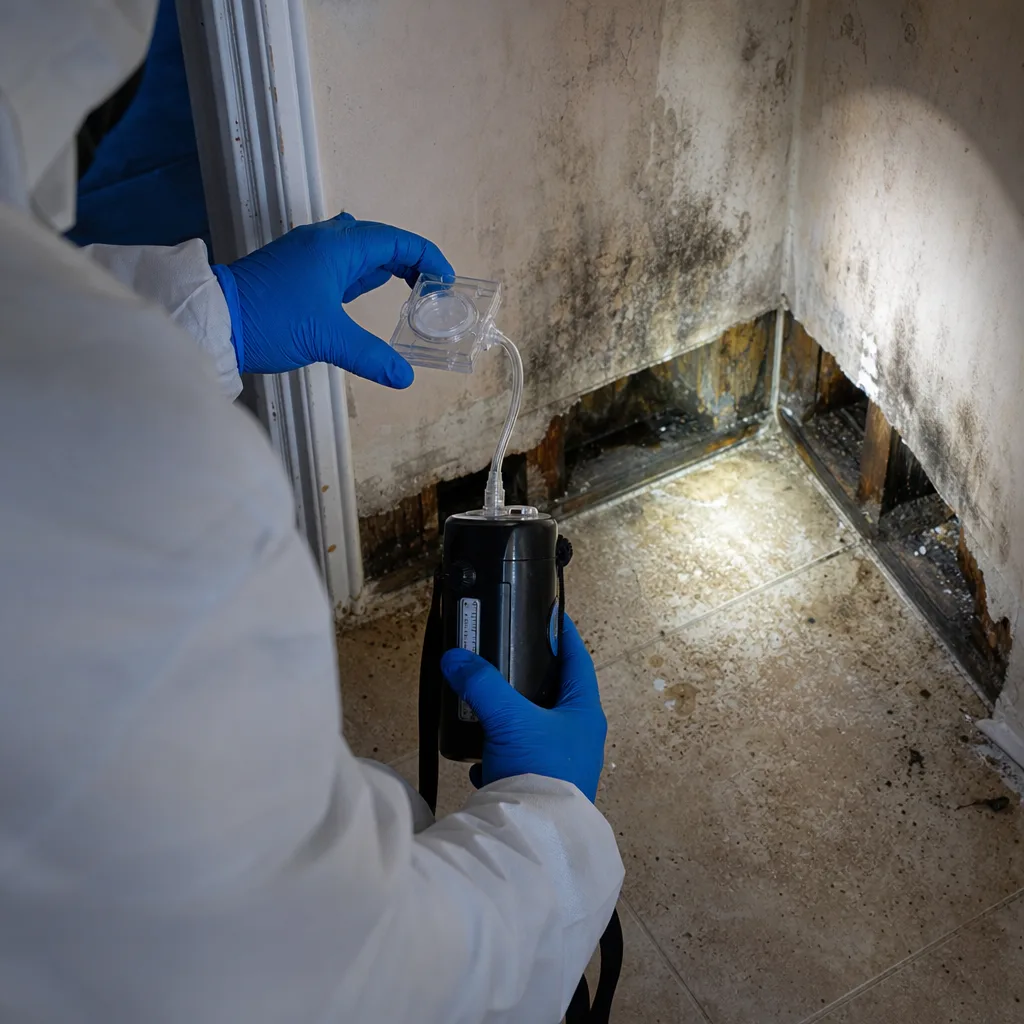
Before any equipment runs, every affected material gets measured and classified. We document:
- Wood moisture content (MC) using pin-type meters calibrated to the wood species
- Relative humidity (RH) and temperature at three heights per room
- Specific humidity readings to establish a psychrometric baseline, which is the measurement of how much moisture air actually holds at a given temperature
- Material classification by permeance: Class 1 (minimal, fast evaporation) through Class 4 (low permeance, specialty drying)
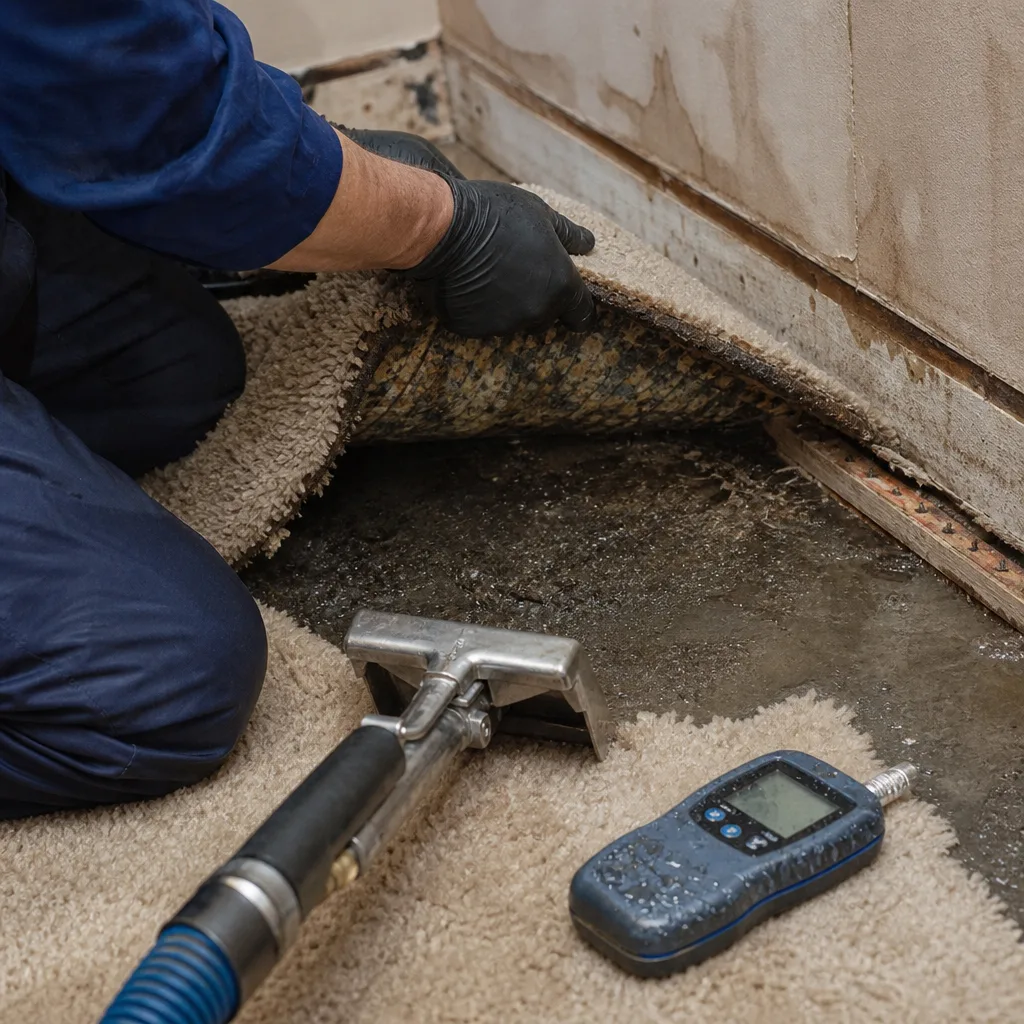
In Carlsbad’s coastal environment, we regularly see drywall register 18-22% MC after what homeowners describe as “a small leak.” That reading, photographed with the meter model and serial visible, becomes the anchor for every subsequent claim document. Without it, an adjuster can argue the damage was pre-existing or less extensive than claimed.
Phase 2: Daily Drying Logs
Every 24 hours, our technicians record the same measurements at the same locations. The log includes equipment deployed (Dri-Eaz or Phoenix dehumidifiers by model, airmovers by count, Injectidry systems when cavity drying is required), and the vapor pressure differential, which is the difference between the actual moisture in the air and the maximum it could hold at that temperature. When that differential shrinks, drying is progressing. When it stalls, something is wrong, usually a hidden moisture pocket or an equipment failure.
These logs are submitted to insurers as standard deliverables, never as upsells. They’re the difference between a paid invoice and a denied one.
Phase 3: Scope Sign-Off
Before any rebuild work begins, the homeowner and adjuster receive a written scope with line-item pricing. Haven Standard, Clause 1: written price before work starts, every time, with no exceptions. This scope is separate from the mitigation invoice. Combining them is a common error that triggers audits.
Phase 4: Final Clearance Photos
Dry is not a feeling. Dry is a number: typically 12-16% MC for structural wood in Carlsbad’s climate, verified with thermal imaging to confirm no evaporative cooling signatures remain. Photos show the meter reading, the location, and the date stamp. This closes the loop the initial reading opened.
How Carlsbad’s Coastal Humidity Changes What ‘Dry’ Means
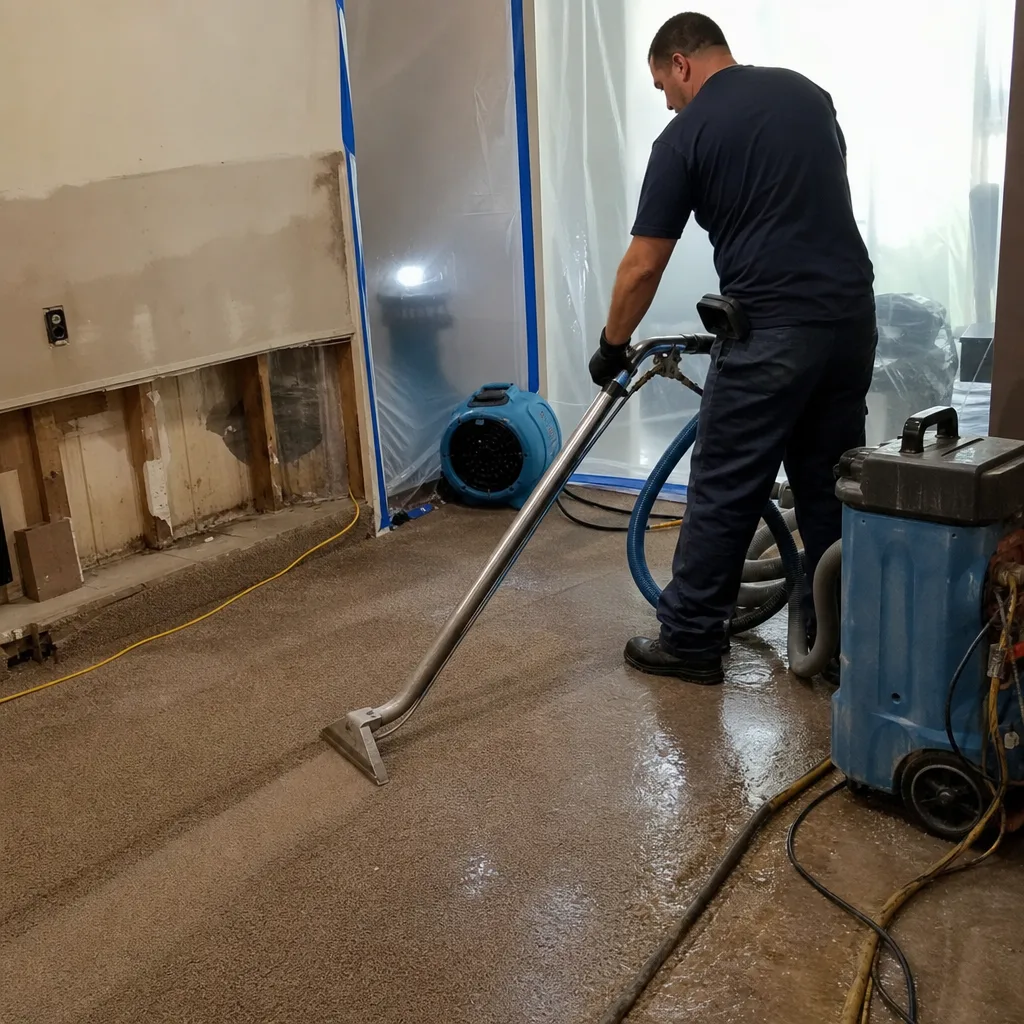
Restoration standards written for inland California don’t apply here. In Riverside or San Bernardino, 50% RH is a humid day. In Carlsbad, it’s a dry one.
Our baseline runs 70-85% RH, with marine layer influence pushing some Bressi Ranch and La Costa Valley homes above 90% on summer mornings. This matters because dehumidification equipment is sized for the starting conditions, not some theoretical average. A Phoenix 200 Max rated for 30 gallons per day at 80°F/60% RH will extract roughly 40% less at Carlsbad’s typical 75°F/80% RH. That means longer drying times, more equipment days, and higher invoices that adjusters question unless the psychrometric data justifies every hour.
We also see secondary damage patterns unique to this microclimate. In neighborhoods like Olde Carlsbad and the Village, where ocean breeze channels through older construction, we find condensation in wall cavities where warm interior air meets cooled exterior surfaces. Homeowners notice musty odors before they see stains. By the time visible mold appears, the colony has typically been established for 14-21 days, the standard germination-to-colonization window for Aspergillus and Penicillium species common in coastal San Diego County.
What “dry” means in Carlsbad:
| Material | Target MC | Inland Standard | Carlsbad Adjustment |
|---|---|---|---|
| Structural wood (framing, subfloor) | 12-16% | 10-14% | Higher target due to ambient humidity equilibrium |
| Drywall (paper face) | Below 12% | Below 12% | No adjustment; paper is hygroscopic and molds at consistent threshold |
| Concrete slab | 4 lbs/1,000 sq ft/24hr (calcium chloride test) | 3 lbs | Higher baseline; marine vapor drive through slab |
Without these adjusted targets, a restoration crew might declare a job “dry” while materials remain in the mold-growth zone. Then the adjuster denies the secondary remediation, and the homeowner pays out of pocket.
Mitigation Invoice vs. Rebuild Scope: Why Combining Them Triggers Audits
This is the single most expensive documentation error we correct when reviewing competitor estimates for our Water Damage Restoration in Carlsbad second-opinion service.
Mitigation is emergency stabilization: extraction, drying, demolition of unsalvageable materials, antimicrobial application. It is billed on a time-and-materials basis, usually with Xactimate line items, and is typically covered by insurance as “additional living expense” or “dwelling coverage” without depreciation.
Rebuild is construction: new drywall, flooring, paint, trim. It is estimated as a fixed scope with material allowances, subject to depreciation, deductible application, and often separate contractor licensing requirements under California Business and Professions Code Section 7159.
When a contractor submits one document containing both, the adjuster must manually separate the charges. This creates three problems:
- Depreciation errors: Mitigation is not depreciable; rebuild is. Combined, the adjuster may apply depreciation to the entire invoice.
- Coverage disputes: Some policies cap mitigation separately from rebuild. A combined document obscures which cap applies.
- Audit flags: Insurance Special Investigative Units (SIUs) train on combined invoices as a fraud indicator, even when the error is innocent. The audit delays payment by 30-90 days.
At DryMark Restoration Carlsbad, we issue separate documents with separate numbering sequences. The mitigation invoice references the initial moisture readings and daily drying logs. The rebuild scope references the final clearance photos and a new material specification sheet. Each stands alone. Each is payable.
What Your Written Price Contract Must Include Under California Law
California contractor law is specific about what makes a home improvement contract enforceable. A restoration job qualifies as home improvement under Business and Professions Code Section 7151.2. Haven Standard, Clause 1 exists because Alicia Brennan saw too many homeowners sign vague work orders that left them exposed.
An enforceable written price contract in Carlsbad must contain:
- The contractor’s name, business address, and state license number (ours is carried by every technician and available on request)
- A description of work to be performed, with specific material brands or grades where relevant
- The total contract price, including all labor and materials
- Notice of the three-day right to cancel for residential contracts over $500
- Notice of mechanic’s lien rights and the preliminary lien notice requirement
- Start and completion dates, or a statement that the schedule is weather-dependent with a defined notice period
For restoration specifically, we add:
- The insurance claim number and adjuster contact, with authorization to communicate directly
- A photo-documentation schedule (typically every visit, with same-angle comparison shots)
- Equipment placement map, so the homeowner knows what each machine does and why it’s where it is
- The 365-Day Done Right Promise language, referencing The Haven Standard by clause
Verbal price agreements are unenforceable in California for jobs over $500. A “verbal estimate” followed by a bill for double is not a billing dispute; it’s a contract violation that the Contractors State License Board will investigate. We don’t put our customers in that position. Written price before work starts, every time, with no exceptions.
How to Read a Drying Log and Spot Whether Extraction Is Actually Working
Every homeowner with active drying should request and review the daily log. You don’t need to understand psychrometrics to spot trouble. You need three numbers.
Number 1: The Grain Depression
Grains per pound (GPP) measures actual moisture in air. The dehumidifier’s intake GPP minus its output GPP equals the grain depression. A healthy system shows 15-30 GPP depression. Below 10, the machine is working too hard for too little result, usually because the space is too large, the temperature is too low, or the dehumidifier is undersized for Carlsbad’s humidity.
Number 2: The Temperature Rise
Refrigerant dehumidifiers (Phoenix, Dri-Eaz) exhaust air 3-8°F warmer than intake. No temperature rise means the compressor isn’t running, the coil is frozen, or the unit is in defrost cycle too frequently. All three indicate ineffective drying.
Number 3: The Material MC Trend
Wood should drop 2-4% MC per day in the first 72 hours. Slower than 2% suggests insufficient airflow or hidden moisture. Faster than 5% risks cracking in hardwoods, especially the engineered products common in Carlsbad’s newer construction near Robertson Ranch and Sage Creek.
Ask your contractor to explain each number on the current log. If they can’t, or if the numbers haven’t changed in 48 hours, the drying plan needs revision. This is not confrontational; it’s due diligence that protects your property and your claim.
Common Mistakes to Avoid
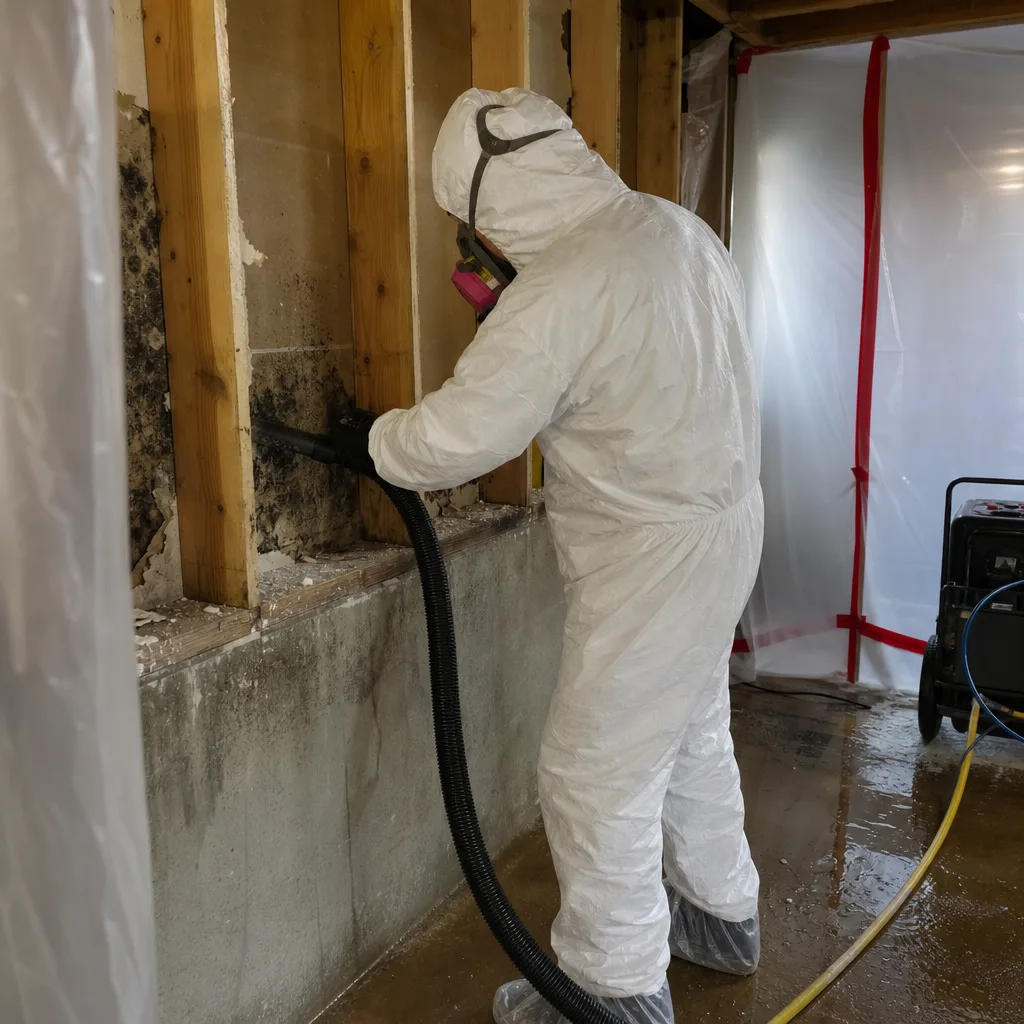
- Waiting for the insurance adjuster before starting mitigation. In Carlsbad’s humidity, mold colonizes in 48-72 hours. Document the damage, start drying, and bill the insurer. Delays for adjuster availability are the homeowner’s loss.
- Accepting a single moisture reading as “dry.” One reading in one spot proves nothing. We measure at multiple heights and locations, because water pools at the lowest point and wicks upward through drywall at 1-2 inches per hour.
- Letting the mitigation contractor also write the rebuild scope without competitive review. This creates incentive to over-demolish. Our Free Second Opinion on any competitor’s written estimate exists for exactly this scenario.
- Ignoring the vapor barrier in slab-on-grade homes. Many Carlsbad homes built 1970-1995 lack proper underslab vapor barriers. Moisture readings that won’t drop often indicate slab wicking, not air-drying failure. This requires different equipment, not more of the same.
- Discarding documentation after payment. California’s statute of limitations for construction defects is 10 years. Keep all moisture readings, photos, and scopes until you sell the home or the limitation expires.
- Assuming “certified” means documented. IICRC certification indicates training, not that the technician produced daily drying logs on your job. Ask for the logs by name.
- Signing a direction-to-pay that assigns your entire claim to the contractor. This transfers your right to dispute charges. Sign an authorization for direct communication, not payment assignment.
When to Call a Professional
Call immediately when water touches drywall, insulation, or structural materials, not just when you see standing water. Call when you smell mustiness in a Carlsbad home, especially near the coast where marine layer moisture penetrates older window seals. Call after any fire, even a small kitchen flare-up, because smoke particulates embed in HVAC systems and re-circulate until professionally removed. Call for sewage backup of any volume, category 3 water carries bacterial loads that standard cleaning won’t address.
Don’t call for a quote. Call for documentation. DryMark Restoration Carlsbad offers free estimates in Carlsbad, and every estimate includes a written scope with line-item pricing before any work begins. Our live phone coverage is available 24 hours a day, 7 days a week with no voicemail on emergency lines. Reach us at (858) 923-4372.
Frequently Asked Questions
Typical residential mitigation in Carlsbad ranges from $1,800 for a contained bathroom leak to $8,500+ for whole-house flooding with category 2 or 3 water. Rebuild costs are separate and depend on material selections. We provide a written price before work starts on every job, with no scope-creep additions, per Haven Standard, Clause 1. Call (858) 923-4372 for an exact quote on your situation, estimates are free.
Most Carlsbad homeowners with standard HO-3 policies have coverage for sudden and accidental water damage, subject to deductible and policy limits. We document every job to IICRC, RIA, and IFA standards and coordinate directly with adjusters using photo records and drying logs. You pay your deductible; we bill the insurer for covered amounts. If coverage is disputed, our documentation package supports your appeal.
Our emergency response targets arrival within 90 minutes for active water damage calls in Carlsbad, Bressi Ranch, La Costa, and surrounding areas. Live person answers every call, 24 hours a day, 7 days a week, no voicemail trees. For reconstruction and non-emergency work, we schedule within 48 hours of scope approval.
Visible mold growth exceeding 10 square feet in California requires licensed remediation under the Mold Remediation Act (SB 655). In Carlsbad’s high-humidity environment, we regularly find hidden colonization behind baseboards and under cabinets where DIY cleaning can’t reach. Mold Remediation in Carlsbad requires containment, negative air pressure, and post-remediation clearance testing that homeowners cannot self-perform. Attempting DIY on larger areas disturbs spores and spreads contamination.
Mitigation contractors stabilize damage: extract water, dry structures, remove unsalvageable materials. Rebuild contractors restore the finished space: drywall, flooring, paint, fixtures. Some companies do both, but the work phases, billing methods, and licensing requirements differ. We handle both at DryMark Restoration Carlsbad, but issue separate documentation for each phase to prevent audit triggers.
A legitimate log shows progressive change: declining moisture content, consistent grain depression, documented equipment adjustments. Ask to see the last three days’ entries and have the technician explain the trend. Static numbers for 48+ hours indicate a problem, not stability. Our logs are produced using calibrated meters with serial numbers traceable to NIST standards.
Yes. Fire & Smoke Damage Restoration in Carlsbad requires different documentation: soot testing by material type (protein fires behave differently from synthetic fires), HVAC contamination assessment, and odor neutralization verification. The same documentation principles apply: photo record, written scope, signed completion. The 365-Day Done Right Promise covers all services.
The Bottom Line
Restoration in Carlsbad is not a single event. It is a chain of documented handoffs, initial moisture readings to daily drying logs to scope sign-off to final clearance photos, and a break in any link costs money. The coastal humidity, the insurance audit protocols, and California contractor law all raise the stakes for getting documentation right. Work with a company that treats the paper trail as seriously as the drying equipment.
Contact DryMark Restoration Carlsbad at (858) 923-4372 for a free estimate, or browse more guides & resources on protecting your home. Every estimate includes a written price before work begins, a documented photo record on every visit, and the 365-Day Done Right Promise backed by The Haven Standard. Live phone coverage is available 24 hours a day, 7 days a week with no voicemail on emergency lines.
Written by Alicia Brennan, Owner at DryMark Restoration Carlsbad, serving Carlsbad since 2011.