
Last updated September 23, 2026
Free visual inspection and a written scope of work before any mitigation begins - photos, moisture readings, and drying logs go in your claim file
The scope we write is the scope we bill. Anything new gets shown to you, in writing, before we touch it.
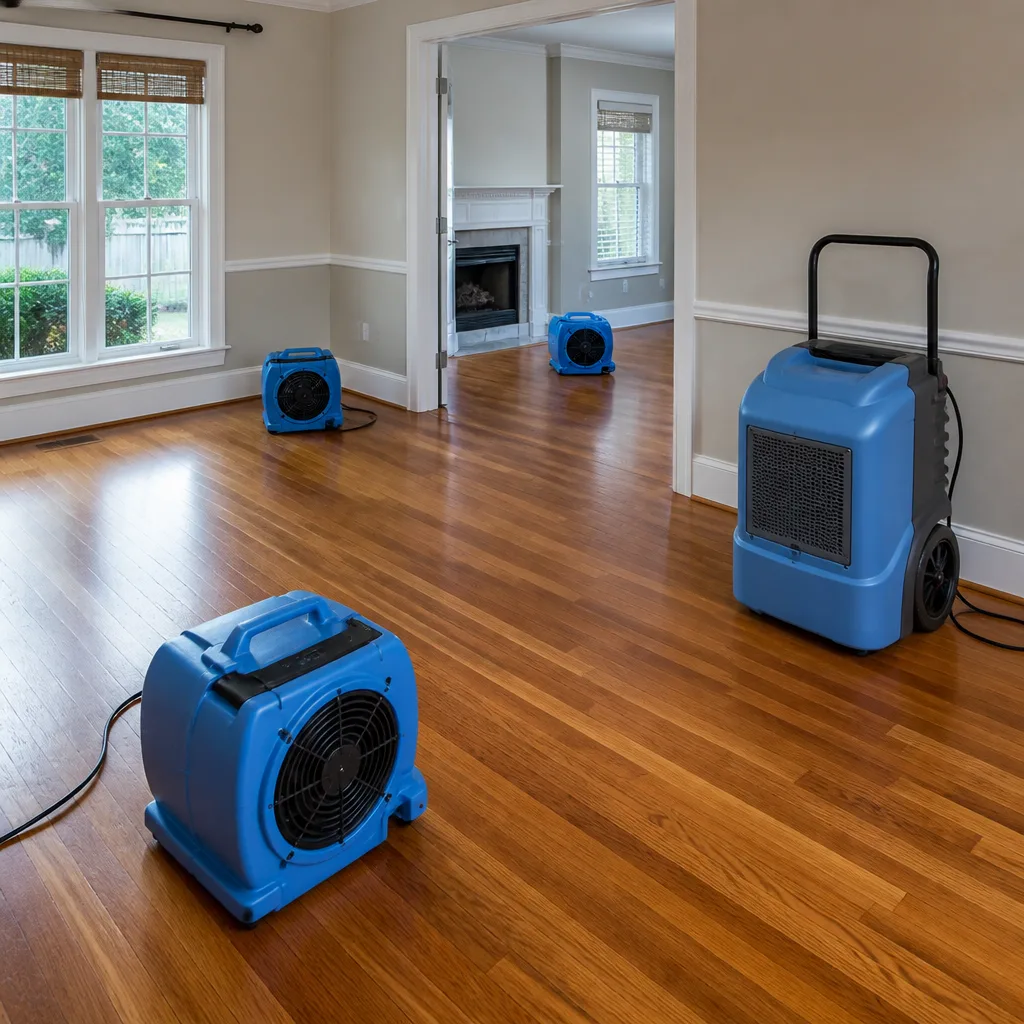

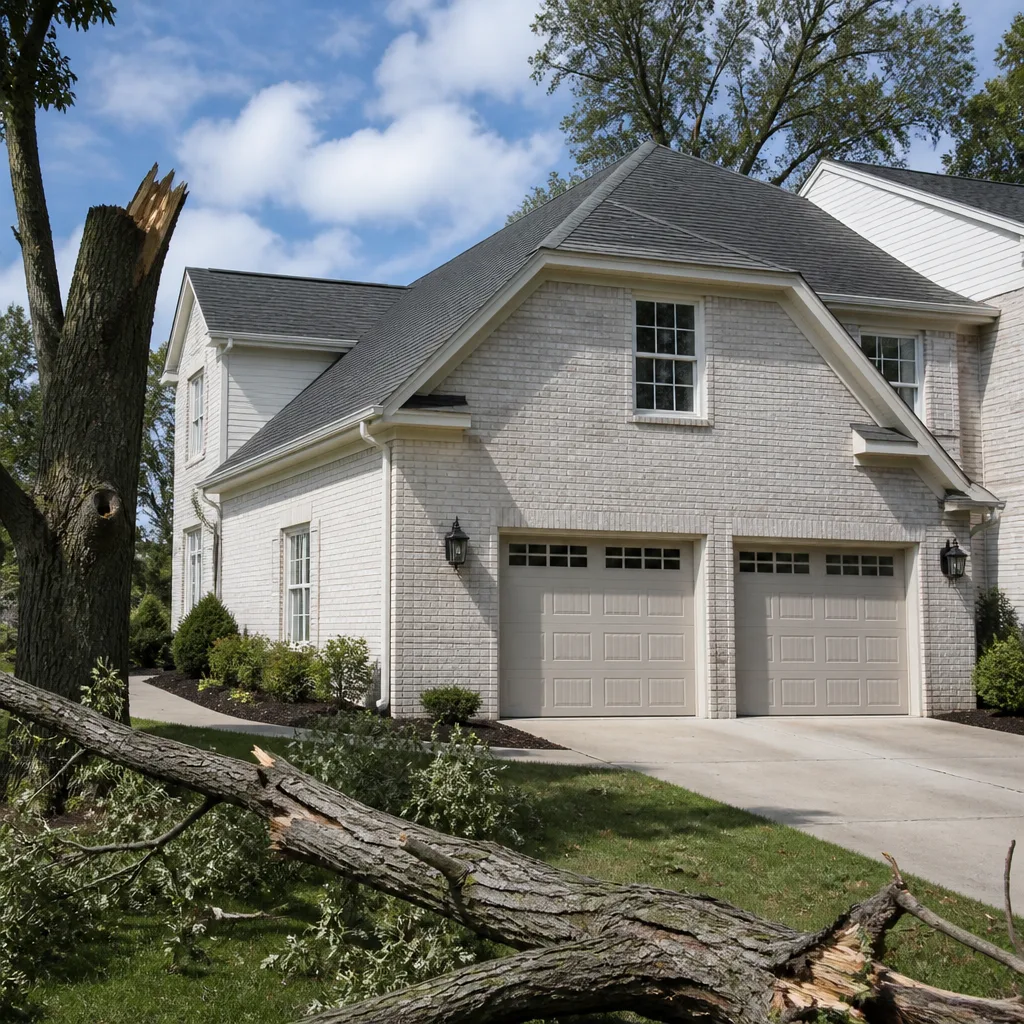

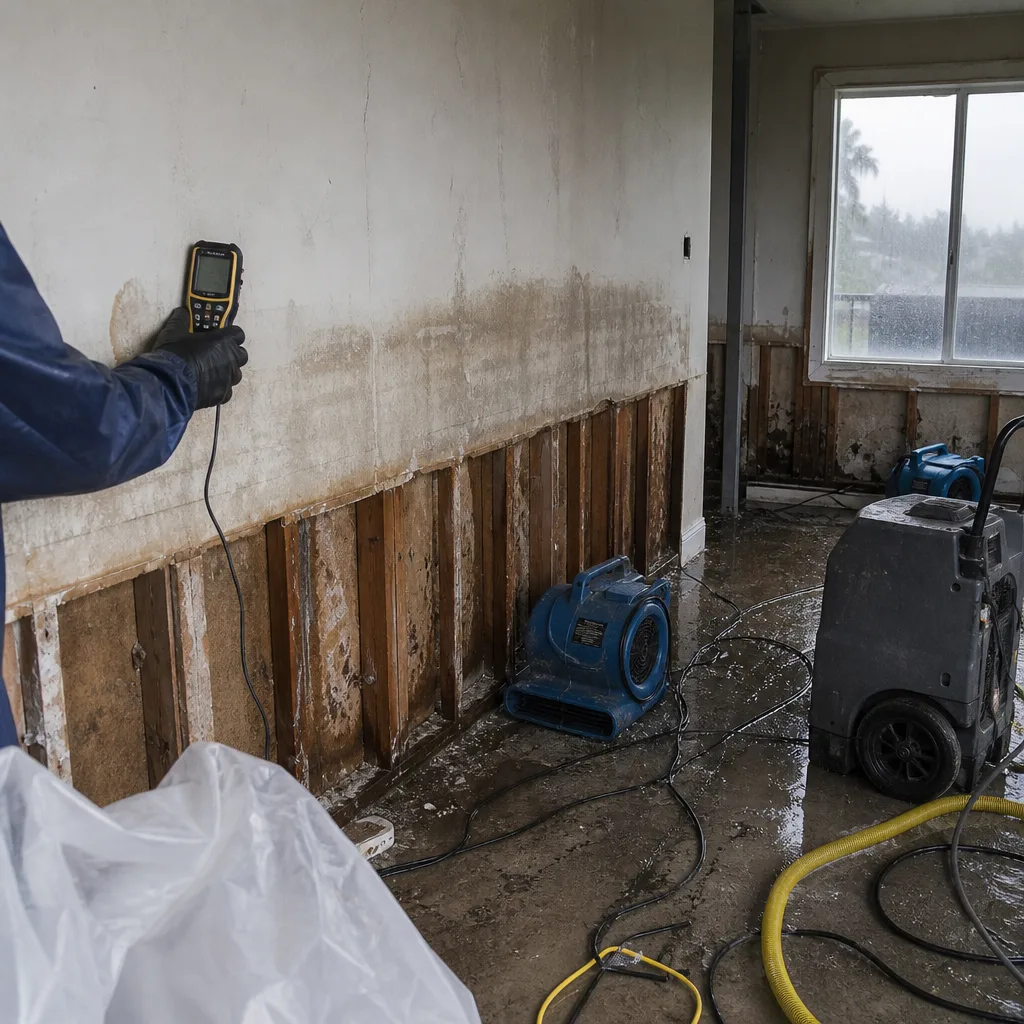 Before
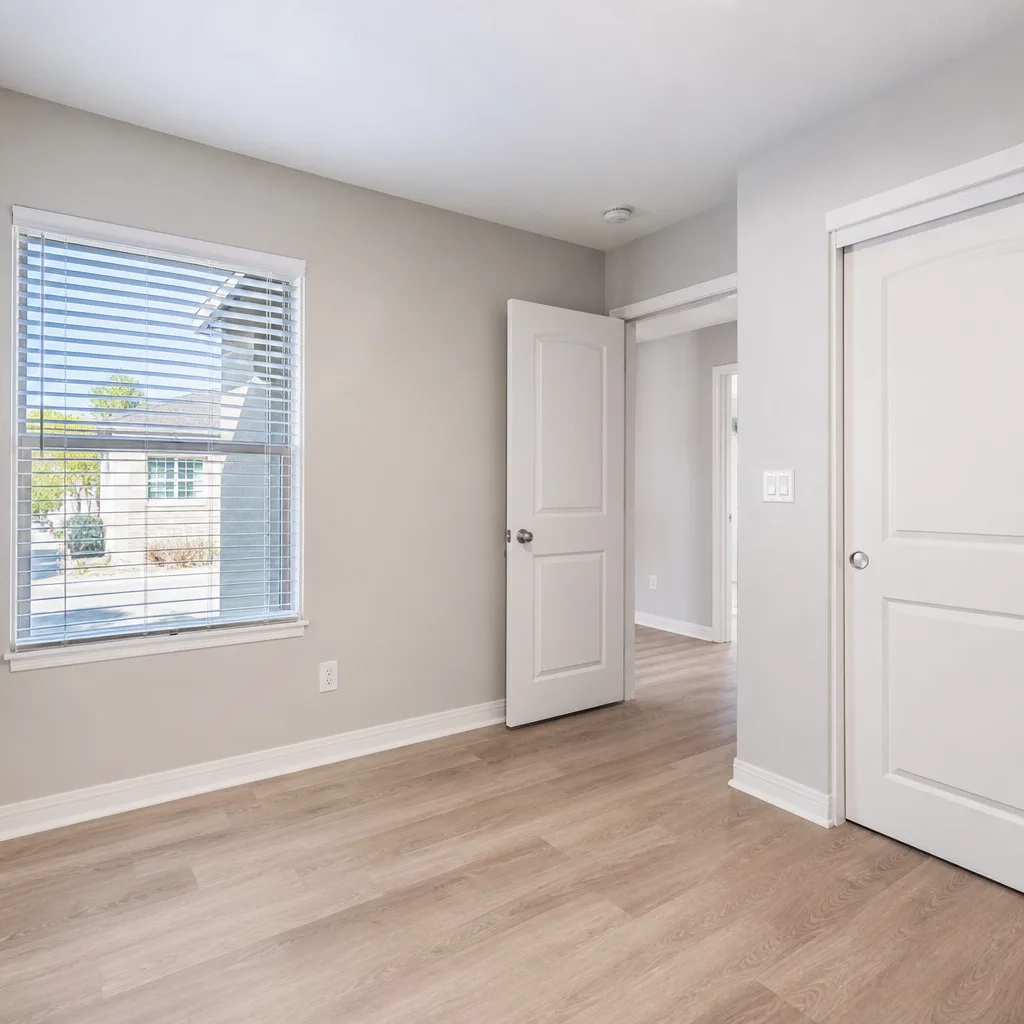 After
After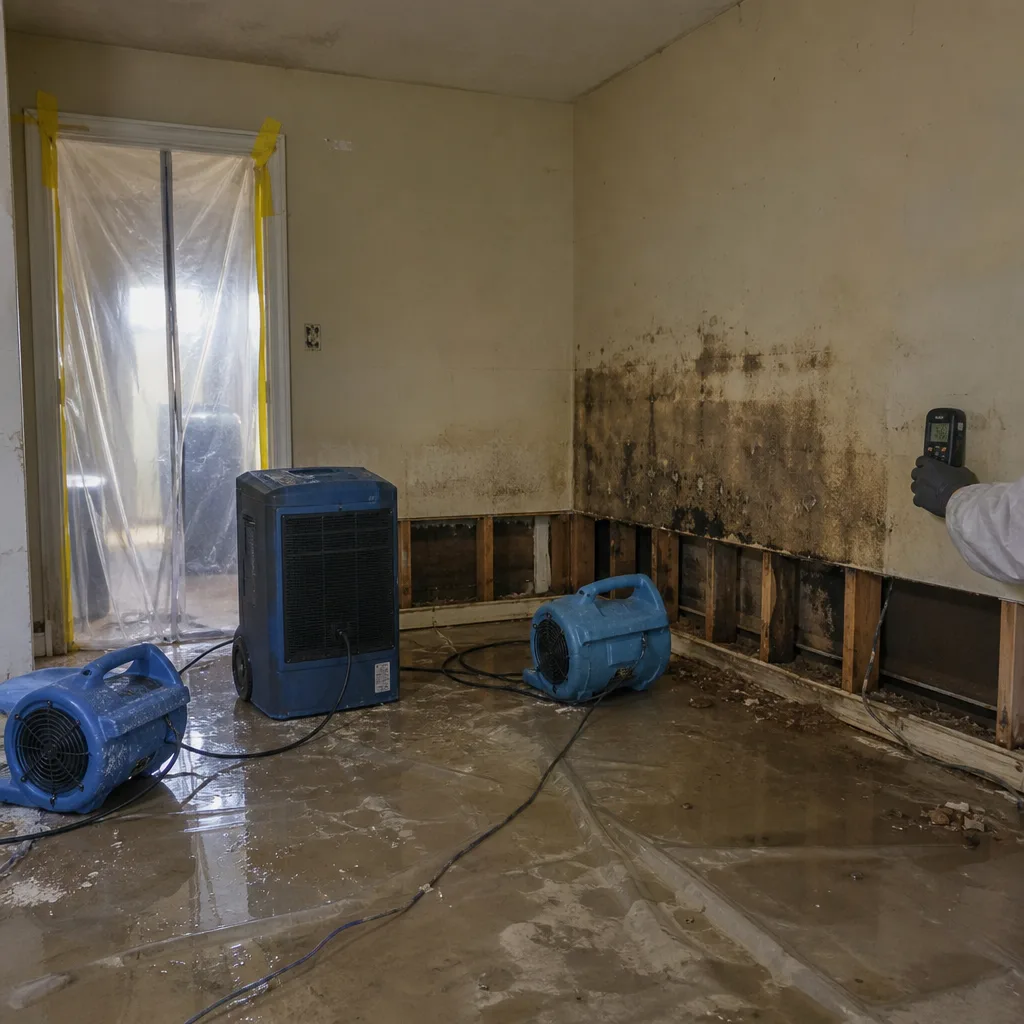 Before
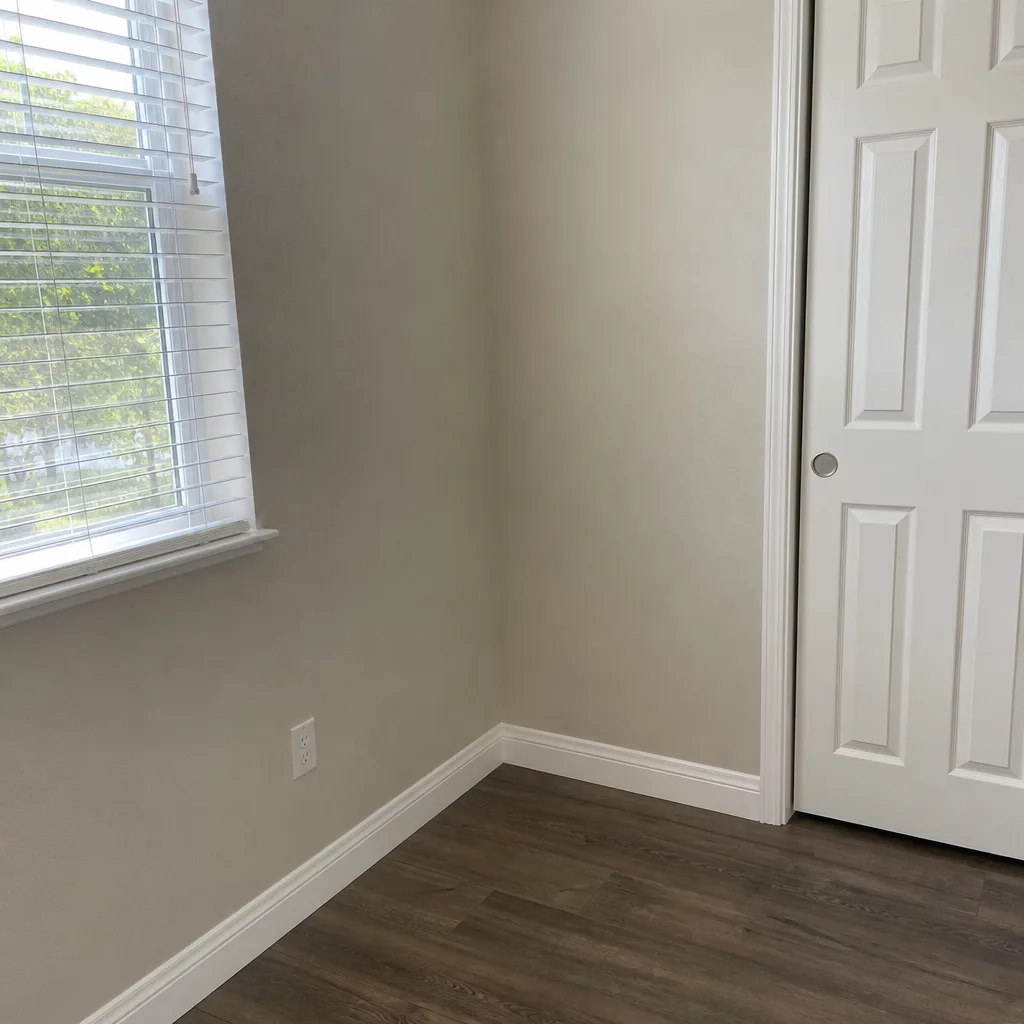 After
After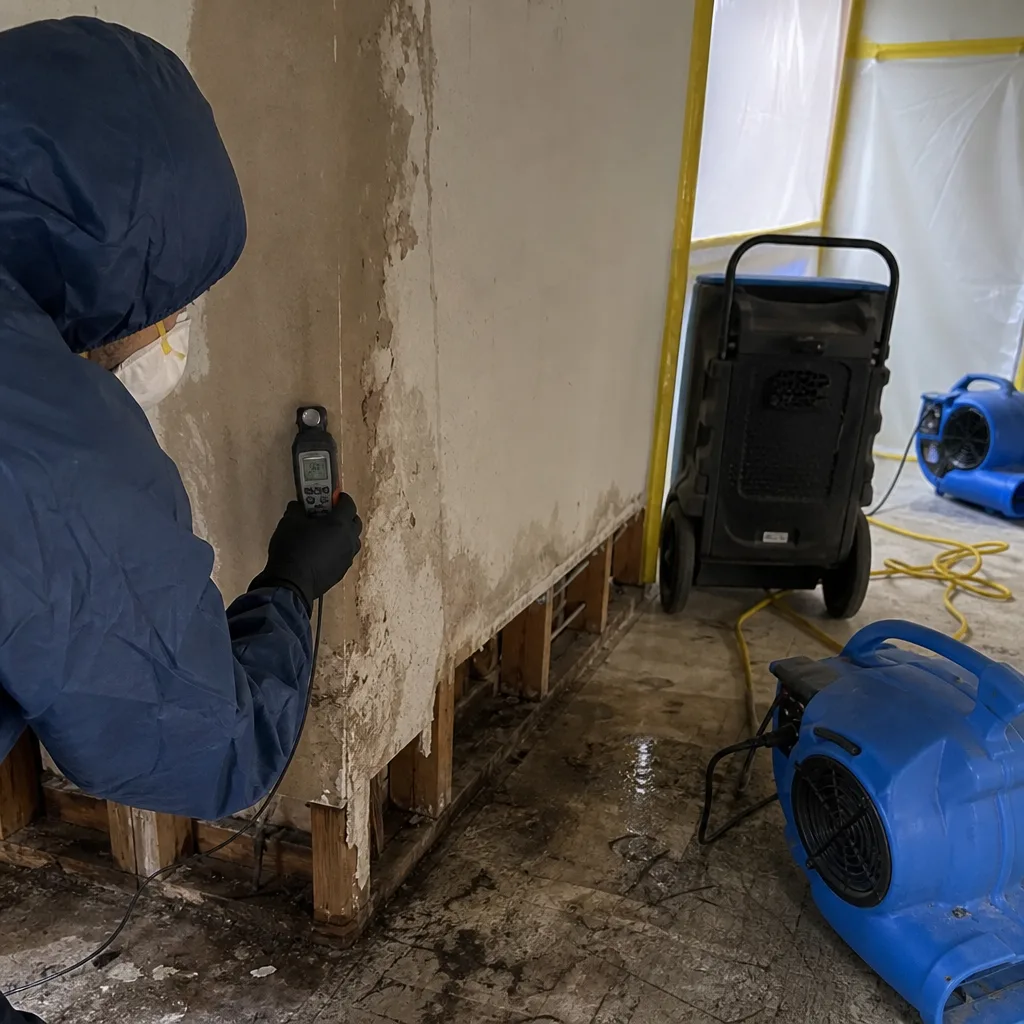 Before
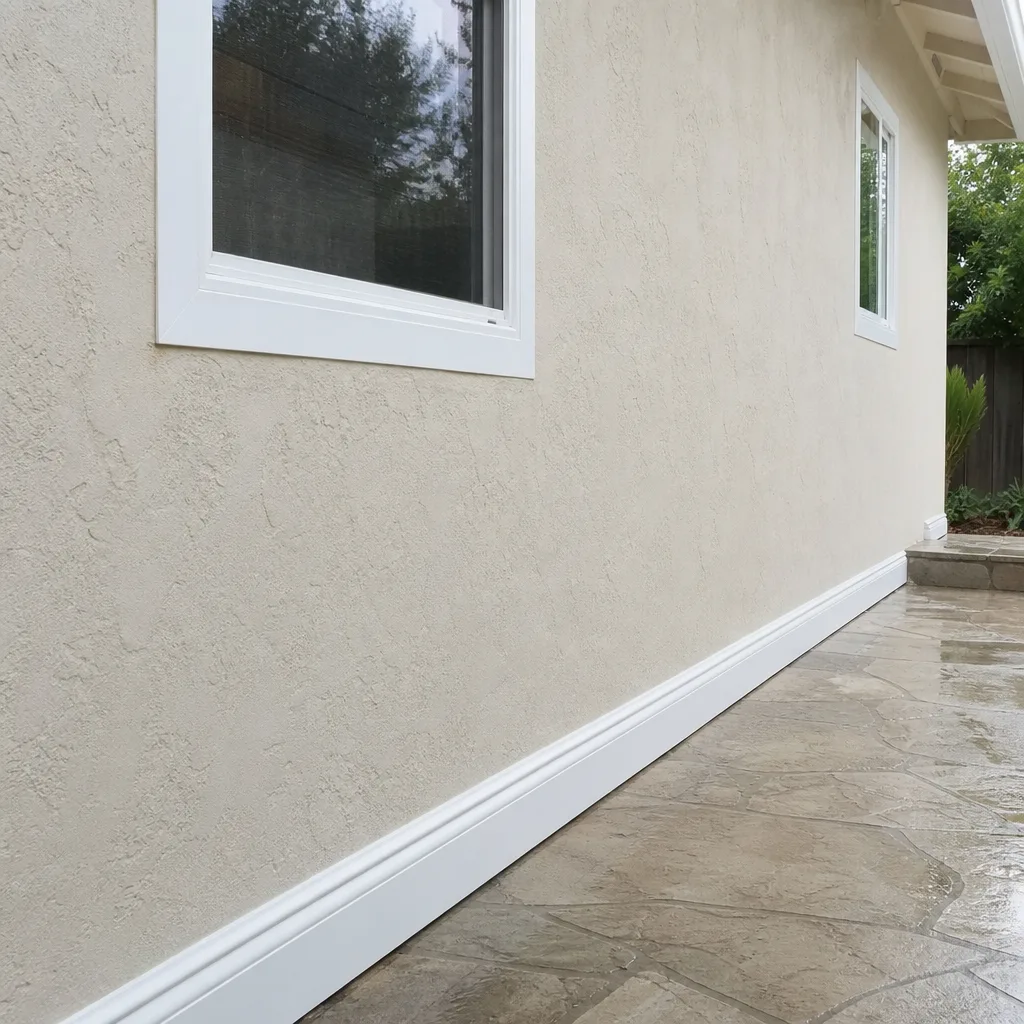 After
AfterWater Damage Restoration Maintenance Checklist for Carlsbad Homeowners
Carlsbad’s marine climate pushes ambient relative humidity past 70% for roughly eight months of the year, yet most maintenance checklists written for national audiences treat 50% RH as the danger threshold. That 20-point gap explains why a homeowner in Phoenix gets one answer and a Carlsbad homeowner gets mold. In this guide, we’ll give you the actual numbers that matter for coastal San Diego County construction: stucco exteriors that wick moisture, slab foundations with no subfloor ventilation, and tile roofs that conceal slow leaks until the drywall tells the story. You’ll learn room-by-room moisture benchmarks, a monthly photo-documentation protocol that produces adjuster-ready records, and supply-line replacement intervals based on failure-rate data, not manufacturer optimism.
Quick Answer
Carlsbad homeowners should inspect moisture-prone areas monthly using a calibrated hygrometer and pinless moisture meter, maintaining indoor relative humidity below 60% and documenting readings with dated photos. Supply lines and appliance hoses need replacement every 5-7 years regardless of visible condition, and crawl spaces require distinct protocols for marine layer season (November through April) versus Santa Ana wind season (September through October). When moisture content in drywall exceeds 1% above baseline or wood framing reads above 16%, the condition has crossed from maintenance into our Water Damage Restoration services territory.
Table of Contents
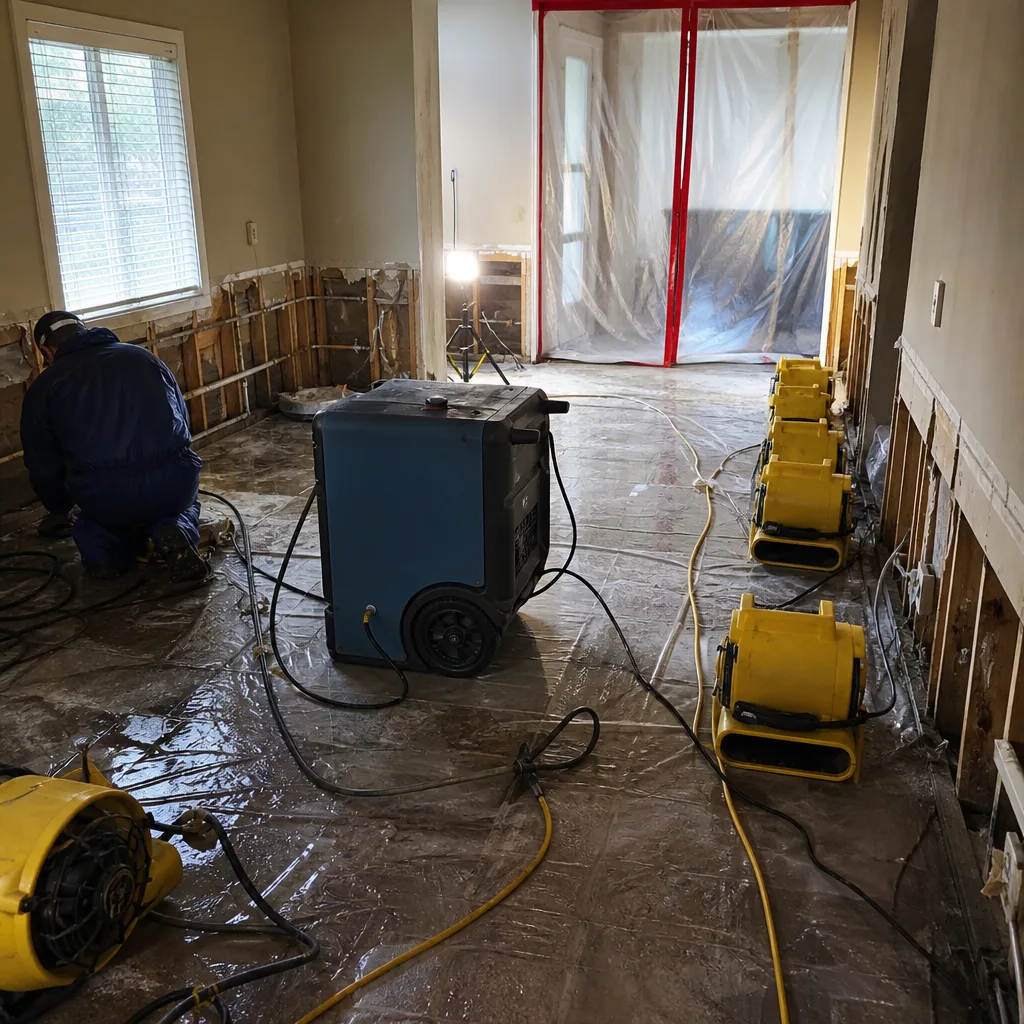
- Why Carlsbad’s Marine Climate Changes Every Number
- The Tools and Thresholds That Actually Matter
- Room-by-Room Moisture Benchmarks for Coastal Construction
- The Monthly Visual Inspection Protocol
- Crawl Space and Attic: Seasonal Documentation in Carlsbad
- Supply Lines and Appliance Hoses: Replacement Intervals Based on Failure Data
- What to Write on a Self-Inspection Log
- Common Mistakes to Avoid
- When to Call a Professional
- Frequently Asked Questions
BeforeAfterWhy Carlsbad’s Marine Climate Changes Every Number
National moisture guidelines assume a continental climate. Carlsbad is not continental.
The city sits at 33.1 degrees north latitude with the Pacific Ocean moderating temperatures year-round. That moderation comes at a cost: persistent onshore flow from May through October, followed by concentrated marine layer intrusion from November through April. The result is an annual average relative humidity of 65-75%, with summer mornings regularly hitting 80% before the sun burns off the cloud deck.
Here’s what that means in practice. A hygrometer reading of 55% RH indoors might trigger action in Denver or Dallas. In Carlsbad, 55% RH indoors during a Santa Ana wind event is excellent; the same reading during a June gloom cycle suggests your HVAC system is fighting a losing battle against infiltration. The moisture isn’t necessarily coming from a leak. It’s coming through stucco walls that breathe, through slab edges that wick groundwater, through windows left cracked for “fresh air” that carries 75% RH into the house.
Stucco exteriors, ubiquitous in Carlsbad’s 1980s-through-2010s construction, compound the issue. Properly applied stucco is a reservoir cladding: it absorbs moisture from fog and light rain, then releases it as conditions dry. Improperly applied stucco - missing weep screeds, reverse laps at windows, inadequate drainage planes - traps that moisture against OSB sheathing. By the time interior drywall shows staining, the sheathing moisture content has often exceeded 20% and microbial growth has begun on the cavity side of the wall.
Slab foundations, standard in virtually all Carlsbad residential construction since 1970, eliminate the subfloor ventilation that wood-framed crawl spaces provide in other climates. A slab leak doesn’t announce itself with water in a basement. It announces itself with tile popping, with baseboard staining, with a warm spot on the floor from hot-water line migration. The thermal mass of the slab masks temperature anomalies until the damage is extensive.
Tile roofs, preferred in Carlsbad for fire resistance and aesthetic consistency, conceal leaks longer than composition shingle. Water travels under tile, under underlayment, along battens, and into the fascia before it ever drips into living space. A homeowner who waits for a ceiling stain has waited too long.
These three factors - stucco, slab, tile - mean Carlsbad maintenance requires different thresholds, different inspection frequencies, and different documentation standards than generic advice provides, as detailed in The Complete Guide to Damage Restoration in Carlsbad. The numbers that follow are calibrated for this specific combination of climate and construction.
The Tools and Thresholds That Actually Matter
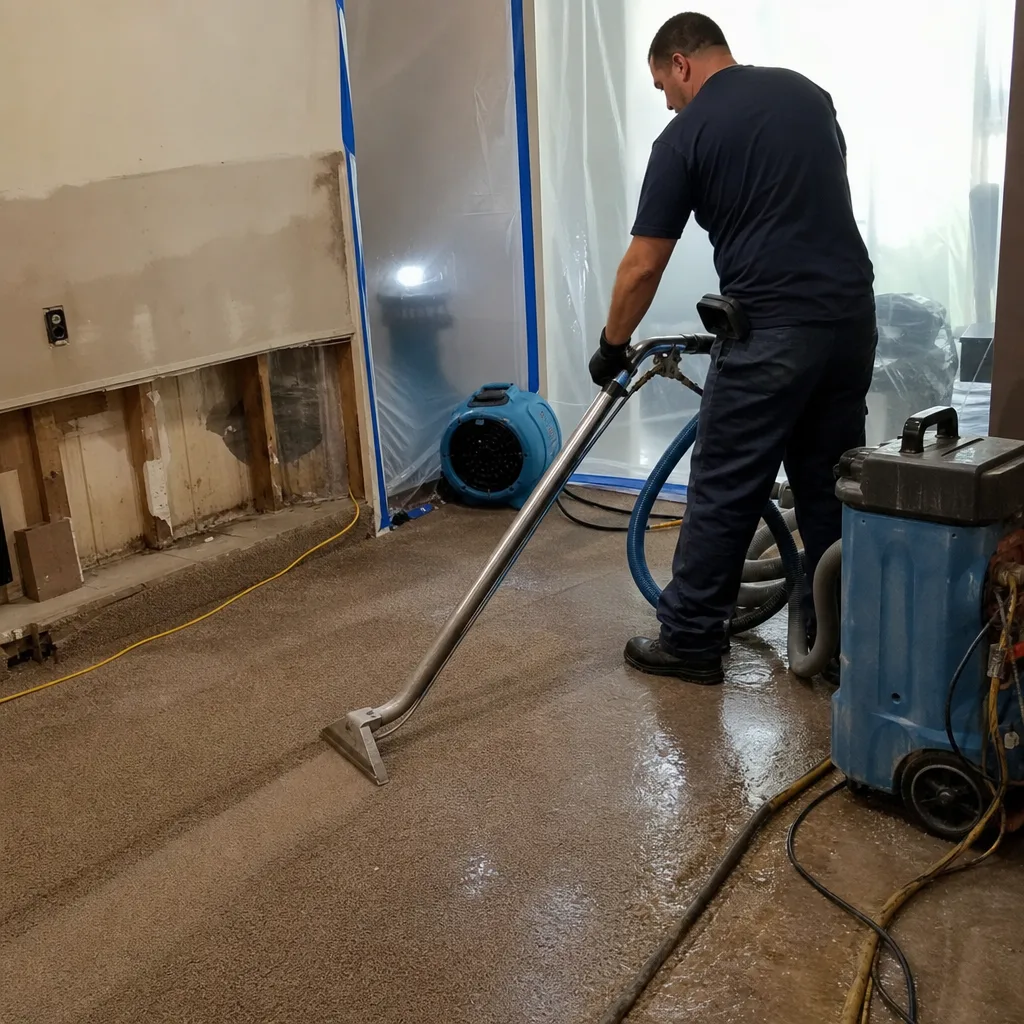
We’ve restored over 12,000 homes since 2011, and the pattern is consistent: homeowners who catch moisture early spend 60-80% less on remediation than those who wait for visible damage. The difference is almost always whether they own two inexpensive tools and use them correctly.
The calibrated hygrometer. Not the $10 unit from the hardware store. A calibrated digital hygrometer with ±2% accuracy, verified annually against a salt slurry test (75% RH at 75°F using saturated sodium chloride). Place one on each floor, away from vents, windows, and kitchens, at breathing height (3-5 feet). Record readings at the same time daily for one week to establish your baseline, then weekly thereafter.
The pinless moisture meter. A pinless (dielectric) moisture meter reads to a depth of approximately 3/4 inch without surface damage. Essential for stucco walls, tile floors, and finished ceilings where pin probes would leave marks. Look for a meter with specific settings for drywall, softwood, and hardwood. We use meters calibrated to produce readings comparable to our professional-grade equipment from Dri-Eaz and Phoenix; consumer-grade meters from Wagner or General Tools are adequate for homeowner monitoring if used consistently.
The baseline documentation kit. A smartphone with date-stamp enabled, a waterproof notebook, and a permanent marker. The notebook lives with the tools. The marker writes on painter’s tape for temporary labeling of suspect areas.
Here are the thresholds that trigger action in Carlsbad conditions:
- Indoor relative humidity: Sustained readings above 60% for more than 48 hours during any season. Below 50% is ideal; 50-55% is acceptable; 55-60% warrants investigation of sources; above 60% requires active dehumidification and source identification.
- Drywall moisture content: Baseline for interior drywall in Carlsbad typically 0.5-0.8%. Action threshold: 1.5% or any reading 1% above your documented baseline. Critical threshold: 2.5% - at this level, gypsum core saturation is sufficient to support mold growth on the paper facing.
- Wood framing moisture content: Baseline for kiln-dried lumber in conditioned space: 10-12%. Action threshold: 16%. Critical threshold: 20% - the fiber saturation point where dimensional change and fungal degradation accelerate.
- Concrete slab surface: Baseline varies with season and sub-slab moisture. Action threshold: 4% moisture content by weight using calcium chloride testing, or 75% RH in-situ probe reading per ASTM F2170. Critical threshold: 85% RH - flooring failure becomes likely regardless of adhesive or underlayment.
- Stucco surface: Baseline after 72 hours dry weather: 8-12% on a pinless meter set to masonry. Action threshold: 18% sustained. Critical threshold: 25% - moisture is likely reaching sheathing.
These numbers differ from national guidelines. We developed them from 12,000+ Water Damage Restoration in Carlsbad jobs, cross-referenced with psychrometric data from our Dri-Eaz and Phoenix drying systems. The 60% RH indoor threshold, for example, reflects the reality that Carlsbad’s outdoor conditions make 50% unsustainable without excessive energy cost for most homeowners. The 16% wood threshold is lower than the 19% sometimes cited for drier climates because marine layer conditions provide continuous moisture resupply that drier climates do not.
Room-by-Room Moisture Benchmarks for Coastal Construction
Generic checklists tell you to “check bathrooms and kitchens.” This checklist tells you exactly where to place your meter, what reading means what, and what to photograph.
Kitchen
Inspection points: Sink cabinet floor (remove contents, place meter on cabinet base), dishwasher front panel (pinless meter on kickplate), refrigerator water line connection (visual only - do not disturb compression fitting), range hood duct termination in cabinet above.
Benchmarks: Cabinet base should read within 0.5% of adjacent wall drywall. Dishwasher kickplate area below 12% wood equivalent. Any reading above these, or any visible staining, mineral deposits, or warping, triggers documentation and source investigation.
Carlsbad-specific note: Slab kitchens in 1990s-2000s Carlsbad tract homes often have island sinks with no floor drain. A slow drain leak saturates the slab edge before any interior sign appears. Check the cabinet base monthly; the slab thermal mass delays temperature clues.
Bathrooms
Inspection points: Toilet flange area (baseboard adjacent, not the wax ring itself), shower/tub surround at 36-inch height (tile or surround material), exhaust fan housing in ceiling (visual through grille, meter on surrounding drywall), vanity cabinet base.
Benchmarks: Surround tile or fiberglass below 15% on masonry setting. Adjacent drywall below 1.2%. Exhaust fan housing and surrounding drywall at or below general room baseline - elevated readings here indicate duct condensation or termination failure, common in Carlsbad’s humid mornings when fans are undersized or ducts are uninsulated.
Carlsbad-specific note: Tile-on-slab showers in Carlsbad homes built 1985-2005 frequently lack proper shower pan membranes. Water migrates through grout, through mortar bed, into slab. The first sign is often efflorescence at the shower threshold or adjacent baseboard. Meter the threshold monthly; readings above 15% on masonry setting warrant professional shower pan evaluation.
Laundry Room
Inspection points: Washer supply box (visual and meter on surrounding drywall), washer drain standpipe (visual for corrosion or overflow staining), dryer exhaust termination (visual for lint accumulation, moisture staining on exterior wall).
Benchmarks: Supply box surround below 1.0%. No staining or corrosion on brass valves. Dryer exhaust shows no moisture staining on exterior - staining indicates backdrafting or blockage, which forces moist air into the room.
Replacement trigger: Rubber washer supply hoses show visible cracking, or reach 5 years age regardless of appearance. Steel-braided hoses: 7 years, or any evidence of corrosion at fittings. These intervals come from insurance industry failure data, not manufacturer warranties. A failed rubber washer hose at 60 PSI delivers 500+ gallons in 24 hours - we’ve documented this exact scenario in Carlsbad’s Bressi Ranch and La Costa Valley neighborhoods.
Water Heater Location
Inspection points: Pan drain (must terminate to exterior or approved drain, not capped), T&P valve discharge pipe (must terminate within 6 inches of floor, not into pan), surrounding platform or slab.
Benchmarks: Platform or slab within 0.5% of remote slab reading. Any water in pan triggers immediate investigation - the pan is a last-resort device, not a drainage system.
Carlsbad-specific note: Garage water heaters in slab-garage homes are vulnerable to slab moisture wicking. A garage slab without vapor barrier (common in 1970s-1980s Carlsbad construction) can read 85% RH at surface year-round. The water heater platform concentrates this moisture. Document platform readings monthly; sustained elevation above general slab baseline suggests sub-slab moisture migration, not tank leakage.
Living Areas and Bedrooms
Inspection points: Exterior walls at outlets and baseboards (meter on drywall adjacent), windowsills and jambs (meter on drywall return, visual for staining), ceiling stains or irregularities (meter on suspect area, photo comparison to prior month).
Benchmarks: Exterior wall drywall within 0.5% of interior wall baseline. Windowsill returns below 1.2%. Any new ceiling irregularity - even slight texturing changes - gets metered and photographed.
Carlsbad-specific note: Santa Ana wind events create rapid pressure differentials that force attic air through ceiling penetrations. If you’ve had wind-driven rain or dust infiltration during a Santa Ana, check ceiling areas around light fixtures within 48 hours. The combination of pressurized attic air and wind-blown moisture creates brief but intense moisture loading that standard seasonal patterns don’t predict.
The Monthly Visual Inspection Protocol
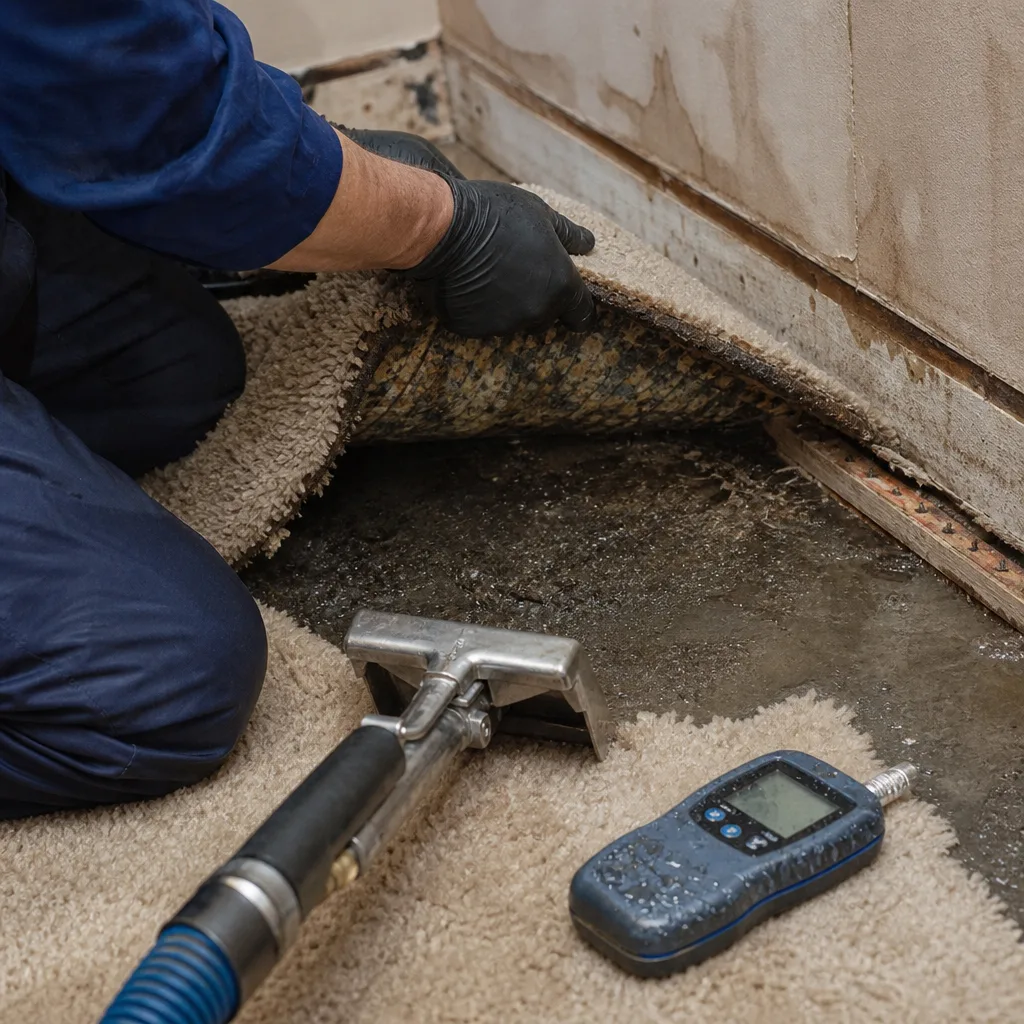
A checklist without documentation is a memory exercise. An adjuster can’t evaluate a memory. This protocol produces records that satisfy the documentation standard we apply to every DryMark Restoration Carlsbad home job: dated, located, measured, photographed.
- Date and weather context. Record the date, recent weather (last rain, fog, Santa Ana event), and current indoor/outdoor hygrometer readings. Context determines interpretation - a 62% RH reading during a Santa Ana is different from the same reading during June gloom.
- Tool verification. Confirm hygrometer battery level. Perform a quick salt slurry check if readings seem anomalous. Verify moisture meter calibration block if available (some consumer meters include a reference pad).
- Systematic room sweep. Follow the room-by-room points above in consistent order. We recommend kitchen, bathrooms, laundry, water heater, living areas, bedrooms, garage, exterior - the same sequence every month builds pattern recognition.
- Meter placement and reading. Place the pinless meter flat against the surface, press firmly, hold 2 seconds for reading to stabilize. Record the exact location (“kitchen sink cabinet base, left rear corner”), the reading, and any anomaly noted.
- Photograph every reading location monthly. Not just anomalies - every location. The photo establishes baseline appearance. When a change occurs, you have comparative evidence. Use your phone’s date stamp; include a handwritten note in the frame with location and reading for cross-reference.
- Exterior walk-around. Photograph roofline, gutter terminations, downspout discharge points, stucco condition at grade, window weep screeds. Note any new cracking, staining, or vegetation contact. In Carlsbad, bougainvillea and ivy against stucco are common moisture vectors - the plants hold moisture against the wall and root into weep screeds.
- Upload and organize. Same day: upload photos to a dated folder. Cloud storage with automatic backup preferred. The notebook stays physical - it’s your field record if phone fails.
- Review trends quarterly. Compare three months of data. Any progressive increase, even within “normal” range, indicates a developing condition. A bathroom exhaust fan surround that reads 0.8%, 0.9%, 1.1% over three months is trending toward action threshold even if not yet critical.
This protocol takes 45-60 minutes for a 2,000 square foot home once you’re practiced. The first time, allow 90 minutes. The time investment is recovered many times over if it prevents or documents a claim.
Crawl Space and Attic: Seasonal Documentation in Carlsbad
Carlsbad has two moisture seasons that demand distinct protocols: marine layer season and Santa Ana wind season. The transition between them, typically late October, is when we see the most attic and crawl space damage calls.
Marine Layer Season (November through April)
During this period, moist marine air infiltrates attic vents and crawl space openings. The danger is not rain intrusion - it’s condensation on cool surfaces. Nighttime radiative cooling drops roof sheathing temperature below the dew point of infiltrating air. The result: morning condensation on sheathing nails, drip staining on insulation, and progressive saturation of cellulose or fiberglass batts.
Monthly protocol:
- Attic: Enter during morning hours (8-10 AM) when condensation is most visible. Photograph sheathing nail heads for droplets, insulation surface for staining, rafters for fungal growth. Meter sheathing at multiple points - readings above 18% indicate active condensation cycling.
- Crawl space: If accessible (many Carlsbad slab homes lack crawl spaces), check vapor barrier integrity, puddle formation, and pier moisture. Relative humidity in crawl space should not exceed 15% above outdoor ambient - a 75% outdoor morning with 90% crawl space RH indicates inadequate ventilation or ground moisture.
Documentation standard: Marine layer season photos should show sheathing nail condensation as a baseline. Absence of condensation in January is actually more concerning than presence - it may indicate that sheathing has warmed due to moisture saturation (wet wood has higher thermal mass and reduced evaporative cooling), which means the condensation is happening inside the sheathing rather than on the surface.
Santa Ana Wind Season (September through October, intermittent through winter)
Santa Ana winds are dry, warm, and pressurized. They drive attic air outward through any penetration, and they create rapid desiccation that masks moisture problems. A homeowner who inspects only during Santa Ana conditions gets false reassurance.
Monthly protocol during Santa Ana events:
- Attic: Check for wind-blown debris at vents (indicates pressurized infiltration paths), dust patterns around ceiling penetrations (shows air leakage paths that reverse during marine layer season), and any new cracking in drywall at ceiling corners (thermal stress from rapid drying).
- Specific attention to fire damage vulnerability: Santa Ana winds carry ember risk. Clear vent screens of debris; verify 1/8-inch mesh is intact. This is not moisture protocol per se, but wind-driven ember intrusion is followed by suppression water intrusion, and the documentation standard applies.
Transition inspection (late October): The most critical single inspection of the year. Marine layer returns while attic materials are desiccated from Santa Ana exposure. The moisture shock creates the highest condensation potential. Document sheathing moisture before and after the first significant marine layer event; the delta between these readings predicts winter condensation severity.
For homes with attics showing persistent condensation, we recommend professional evaluation of ventilation balance. The Mold Remediation in Carlsbad page details our approach to attic mold conditions, which often originate in this seasonal cycling.
Supply Lines and Appliance Hoses: Replacement Intervals Based on Failure Data
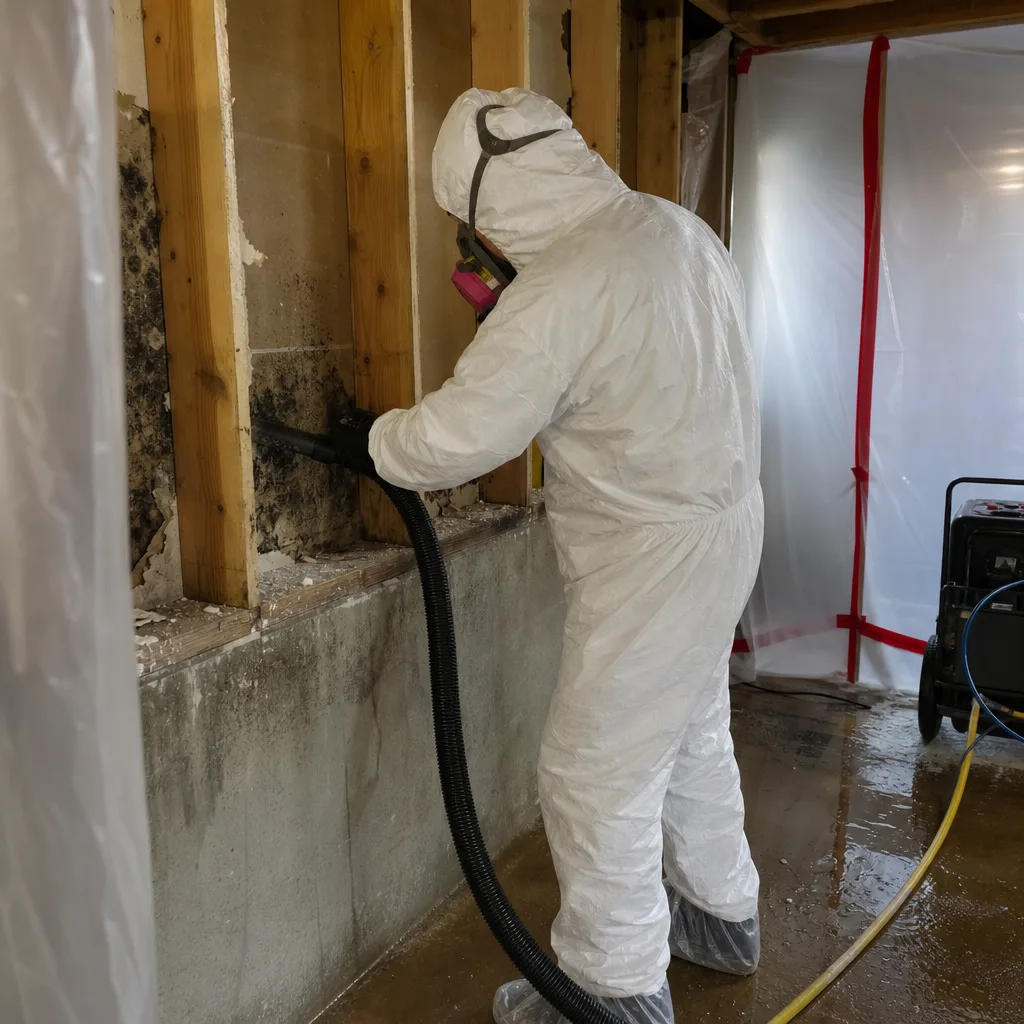
Manufacturer warranties and actual failure rates diverge significantly. We base our recommendations on insurance claims data and our own field documentation from 12,000+ restorations.
| Component | Manufacturer Warranty | Actual Failure Rate Inflection Point | Our Recommendation |
|---|---|---|---|
| Rubber washer supply hose (washer, toilet, faucet) | 5 years | Year 5: 12% failure rate; Year 7: 34% failure rate | Replace at 5 years regardless of appearance |
| Steel-braided supply hose (standard grade) | 10 years | Year 7: 8% failure rate; Year 10: 22% failure rate | Replace at 7 years; inspect annually for corrosion |
| Steel-braided supply hose (premium, coated) | Lifetime | Year 10: 5% failure rate; Year 15: 15% failure rate | Replace at 10 years; inspect annually |
| Refrigerator icemaker line (plastic) | Not specified | Year 5: 18% failure rate (highest of all components) | Replace at 5 years; upgrade to copper or PEX if possible |
| Dishwasher drain hose | Not specified | Year 8: 15% failure rate (cracking at pump connection) | Replace at 8 years; inspect pump connection annually |
| Water heater T&P valve | Not specified | Year 6: 10% failure to open; Year 10: 25% failure | Test annually; replace at 6 years |
These intervals assume Carlsbad’s water chemistry - moderately hard, chloraminated municipal supply. Harder water or well supply accelerates degradation. The refrigerator icemaker line is the highest-risk component per linear foot in the home; its failure rate exceeds even rubber washer hoses because it’s typically 1/4-inch plastic under constant pressure, often routed through cabinets where leakage goes undetected for days.
Documentation protocol: Photograph the label on each hose or valve showing manufacture date or installation date. If no date is visible, assume installation date equals home purchase or appliance purchase date. Create a replacement schedule spreadsheet; set calendar reminders 90 days before each interval.
When replacement is due, we recommend having a licensed plumber perform the work and provide a written invoice with component specifications. This documentation becomes evidence in any subsequent claim. Haven Standard, Clause 1 applies: a written price before work begins, every time. Explore more guides & resources for additional homeowner protection strategies.
What to Write on a Self-Inspection Log
A log that can’t be interpreted six months later is useless. A log that can be interpreted by an adjuster you’ve never met is valuable. Format for clarity, not for speed.
Required fields for each entry:
- Date and time. Include time of day - morning and evening readings differ significantly in Carlsbad’s marine layer cycle.
- Weather context. “48 hours after 0.3″ rain”; “Third day of Santa Ana event, RH 18% outdoors”; “Typical June gloom morning, fog until 10 AM.”
- Location. Specific enough for another person to find: “Master bath, exhaust fan surround, 12 inches from fan housing edge toward north wall.”
- Instrument and setting. “Pinless meter, Wagner MMC220, drywall setting.” Instrument matters - different meters read differently.
- Reading. Numerical value only: “1.2%.” No “approximately,” no “seems normal.”
- Baseline comparison. “Baseline 0.7% (established 3/15/2024). Current reading 0.5% above baseline.”
- Photo reference. “Photo IMG_2847, dated 6/15/2024, 08:47.”
- Action determination. “Within normal. Next inspection 7/15/2024.” Or: “Exceeds action threshold. Source investigation required. Plumber contacted 6/16/2024, appointment 6/18/2024.”
Sample log entry:
6/15/2024, 08:47. Weather: Marine layer, fog to 9:30 AM, outdoor RH 78%, indoor RH 62% (living room hygrometer). Location: Kitchen sink cabinet base, left rear corner. Instrument: Wagner MMC220, drywall setting. Reading: 2.1%. Baseline: 0.8% (3/15/2024). Delta: +1.3%. Photo: IMG_2847. Action: Exceeds critical threshold. Source: Suspect slow drain leak or supply valve weep. Plumber appointment 6/18/2024. Will re-meter post-repair.
This entry took approximately 3 minutes to write. It provides an adjuster with: weather context that explains why indoor RH was elevated, precise location for re-inspection, instrument traceability, quantitative comparison to baseline, photo evidence, and a documented response chain. Compare to the typical homeowner note: “Kitchen seems damp, check later.”
We provide this format to every homeowner who requests our Fire & Smoke Damage Restoration in Carlsbad or water damage services - the same documentation discipline applies across all loss types. The photo record on every visit, included as standard under The Haven Standard, uses this exact structure.
Common Mistakes to Avoid
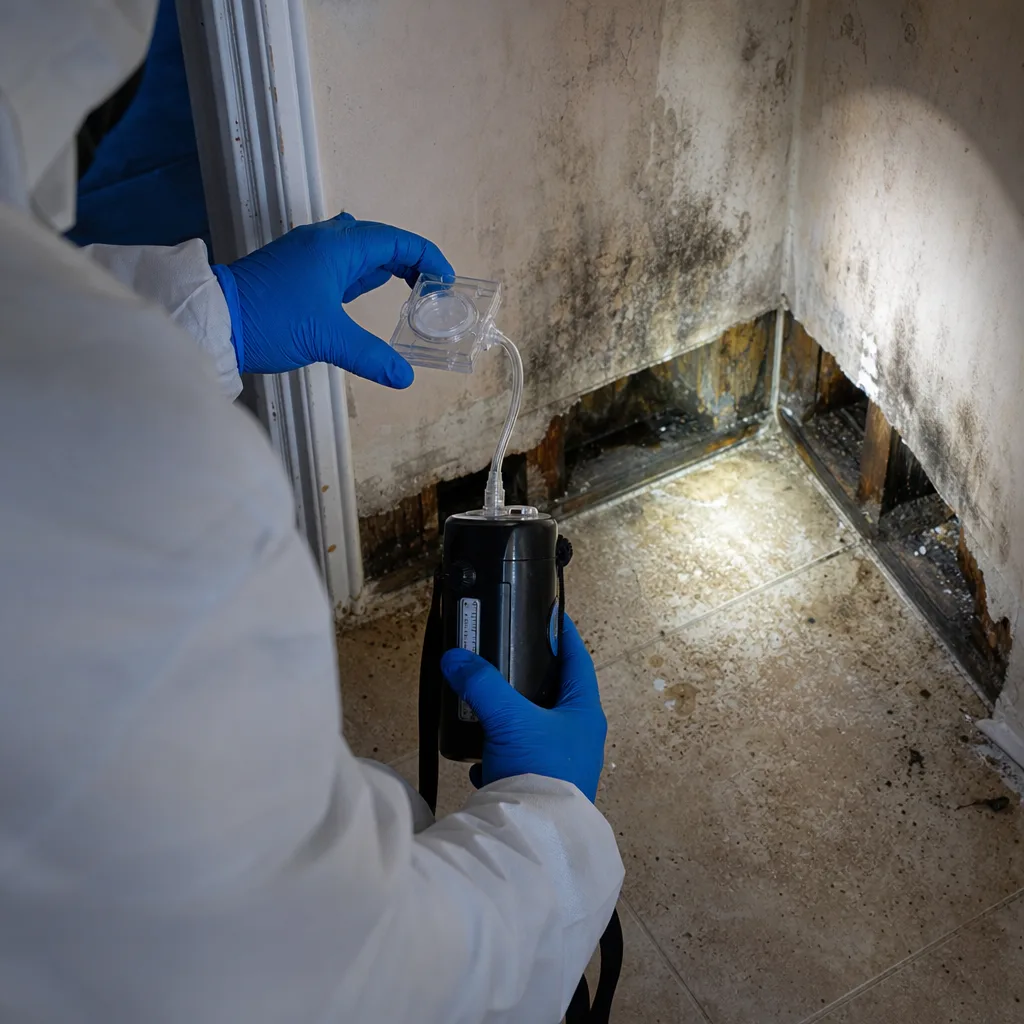
- Using a single hygrometer reading to declare “fine” or “not fine.” Carlsbad’s marine layer creates diurnal swings of 15-20% RH indoors. One reading captures a moment, not a condition. Establish baseline through daily readings for one week, then compare weekly readings to that baseline.
- Ignoring the slab in “slab leak” detection. Homeowners watch for water appearing on floors. In Carlsbad’s slab construction, water moves laterally through soil, wicks up foundation edges, and appears as baseboard staining or tile popping - never as standing water. Meter the slab perimeter monthly, especially at exterior walls.
- Trusting “lifetime” supply hoses. “Lifetime” means the manufacturer’s estimated product life, not your lifetime. The failure data table above shows actual performance. A steel-braided hose with “lifetime” warranty fails at 22% rate by year 10. Replace on interval, not on warranty language.
- Photographing only problems. The absence of baseline photos makes damage photos uninterpretable. Was that stain new or pre-existing? Without monthly documentation of the same location, you can’t answer. Photograph everything, every month.
- Running bathroom exhaust fans only during showers. In Carlsbad’s humid climate, the fan must run 20-30 minutes after showering to clear residual moisture from tile and grout. Better: install a humidity-sensing switch that runs until RH drops below 60%. The incremental cost is recovered in prevented mold remediation.
- Assuming stucco cracks are cosmetic. Hairline cracking at window corners or door frames in stucco often indicates moisture-related substrate movement. Meter the interior drywall at these locations; readings above baseline confirm water infiltration through the crack path, not mere thermal expansion.
- Neglecting the water heater T&P valve test. The valve is designed to open at 150 PSI or 210°F. If it fails to open, pressure builds to tank rupture. If it fails to reseat, it discharges continuously. Test annually by lifting the lever slightly - water should flow, then stop when released. If it doesn’t stop, replace immediately. Document the test date in your log.
When to Call a Professional
Some conditions exceed homeowner tools and training. Call a professional when: moisture content in drywall exceeds 2.5% or wood framing exceeds 20%; you find visible mold growth of any color on any surface; a supply line or appliance hose fails and releases water (shut off at main, then call - speed matters for mitigation); your slab shows warm spots, tile popping, or progressive baseboard staining (indicates active slab leak requiring electronic detection); or your documentation shows a progressive trend over three months even if individual readings remain below critical thresholds.
When you call, specify that you have documented readings and photos. A professional who understands documentation will ask for them; this separates restoration companies from sales operations. DryMark Restoration Carlsbad offers free estimates in Carlsbad - call (858) 923-4372. Every estimate includes a written scope and price before any work begins, Haven Standard, Clause 1. We review homeowner documentation at no charge as part of our Free Second Opinion on any competitor’s written estimate.
Frequently Asked Questions
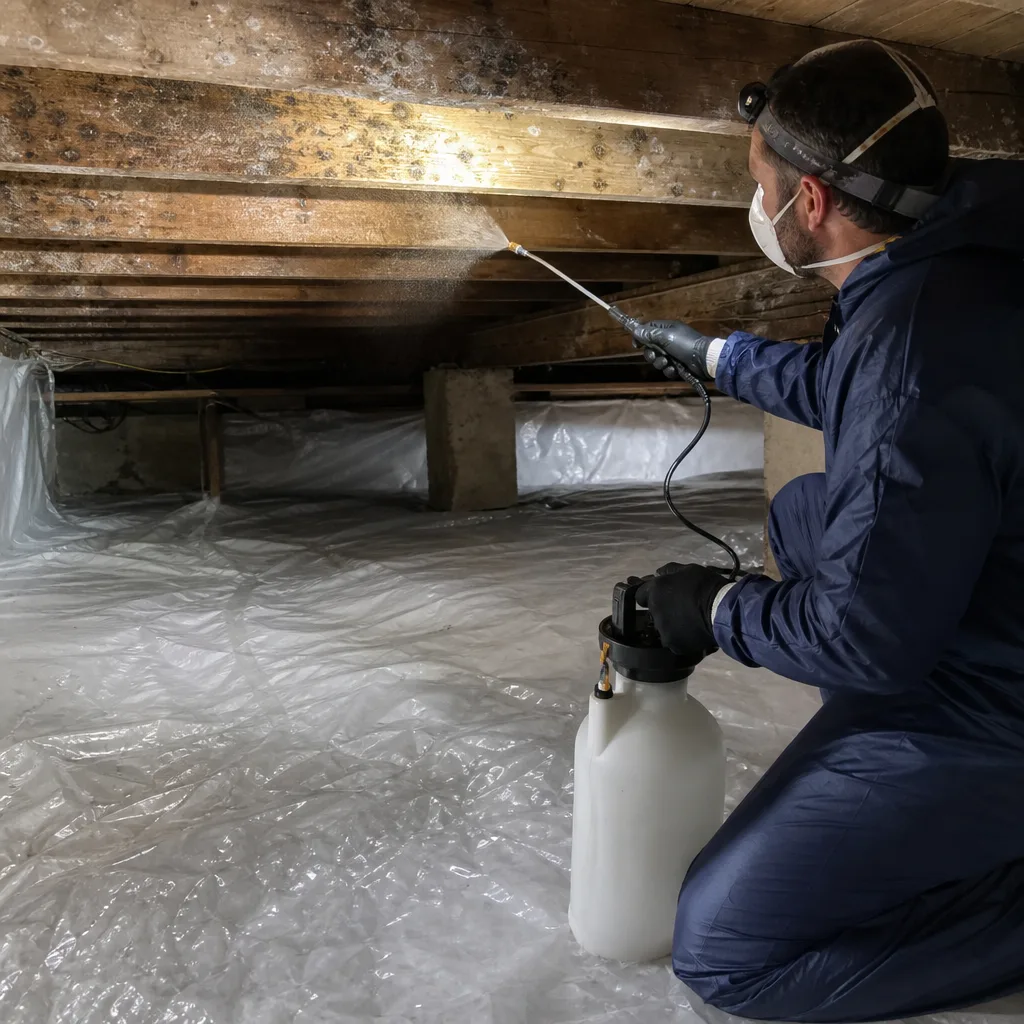
Professional moisture mapping with thermal imaging, pinless and pin-probe meters, and psychrometric data logging typically ranges from $150 to $400 for residential assessment, depending on property size and area count. DryMark Restoration Carlsbad provides this assessment at no charge with any estimate - the documentation is part of our standard scope, not an upsell. Call (858) 923-4372 to schedule; estimates are free.
Most homeowners policies cover sudden and accidental water damage, not gradual deterioration. However, maintenance documentation that shows a sudden change - for example, stable readings for 18 months followed by a sharp increase after a supply line failure - supports the “sudden” characterization. Your log becomes evidence. Policies vary; we coordinate directly with adjusters to present documentation in claim-supporting format. Call (858) 923-4372 for claim documentation guidance.
For active water intrusion, DryMark Restoration Carlsbad maintains live phone coverage 24 hours a day, 7 days a week with no voicemail on emergency lines. Dispatch for active mitigation typically occurs within 2-4 hours in Carlsbad proper. Reconstruction and non-emergency work is scoped, scheduled, and priced in writing - never same-day dispatch, as that work requires material procurement and trade coordination. Call (858) 923-4372 for emergency response.
Yes. Sustained 65% RH in Carlsbad conditions supports mold growth on dust-settled surfaces within 48-72 hours, even without visible liquid water. A portable dehumidifier rated for your square footage (typically 30-50 pint capacity for Carlsbad’s 2,000-3,000 square foot homes) should maintain 55% or below. Monitor with your hygrometer; dehumidifier built-in sensors are often inaccurate. If RH remains above 60% with dehumidifier running continuously, investigate infiltration sources or upgrade capacity.
A moisture meter measures moisture content at a specific point, in percentage terms, with quantified accuracy. A thermal camera visualizes surface temperature differentials - evaporative cooling from wet areas appears as cooler spots. Thermal cameras do not measure moisture; they suggest where to place a meter. Professional assessment uses both: thermal imaging for rapid area scanning, meter verification for documented readings. Our crews use FLIR thermal imagers and Protimeter or Dri-Eaz meters on every job, with readings recorded to the drying log.
Reservoir stucco (properly detailed) releases moisture through weep screeds at grade, through vented rainscreen gaps, and through vapor-permeable paint. Trapped stucco shows: staining at window sills and heads, efflorescence at grade, soft or powdery areas, and interior drywall moisture above baseline at exterior walls. The definitive test requires invasive inspection by a stucco specialist or restoration contractor with moisture mapping capability. We provide this assessment as part of water damage investigation when stucco failure is suspected. Call (858) 923-4372 for evaluation.
The Bottom Line
Carlsbad’s marine climate demands maintenance thresholds lower than national guidelines: indoor RH below 60%, drywall moisture below 1.5% (1% above your baseline), wood framing below 16%. The tools are inexpensive, the monthly protocol takes under an hour, and the documentation format we’ve described produces adjuster-ready records. Supply lines and hoses fail on predictable intervals - replace them before they do. Seasonal attic and crawl space inspection catches the condensation cycling that Carlsbad’s two moisture seasons create. The maintenance checklist is only useful with numbers attached; the numbers above come from 12,000+ documented restorations and the daily drying logs that turn restoration invoices into payable claims.
Written by Alicia Brennan, Owner at DryMark Restoration Carlsbad, serving Carlsbad since 2011.