
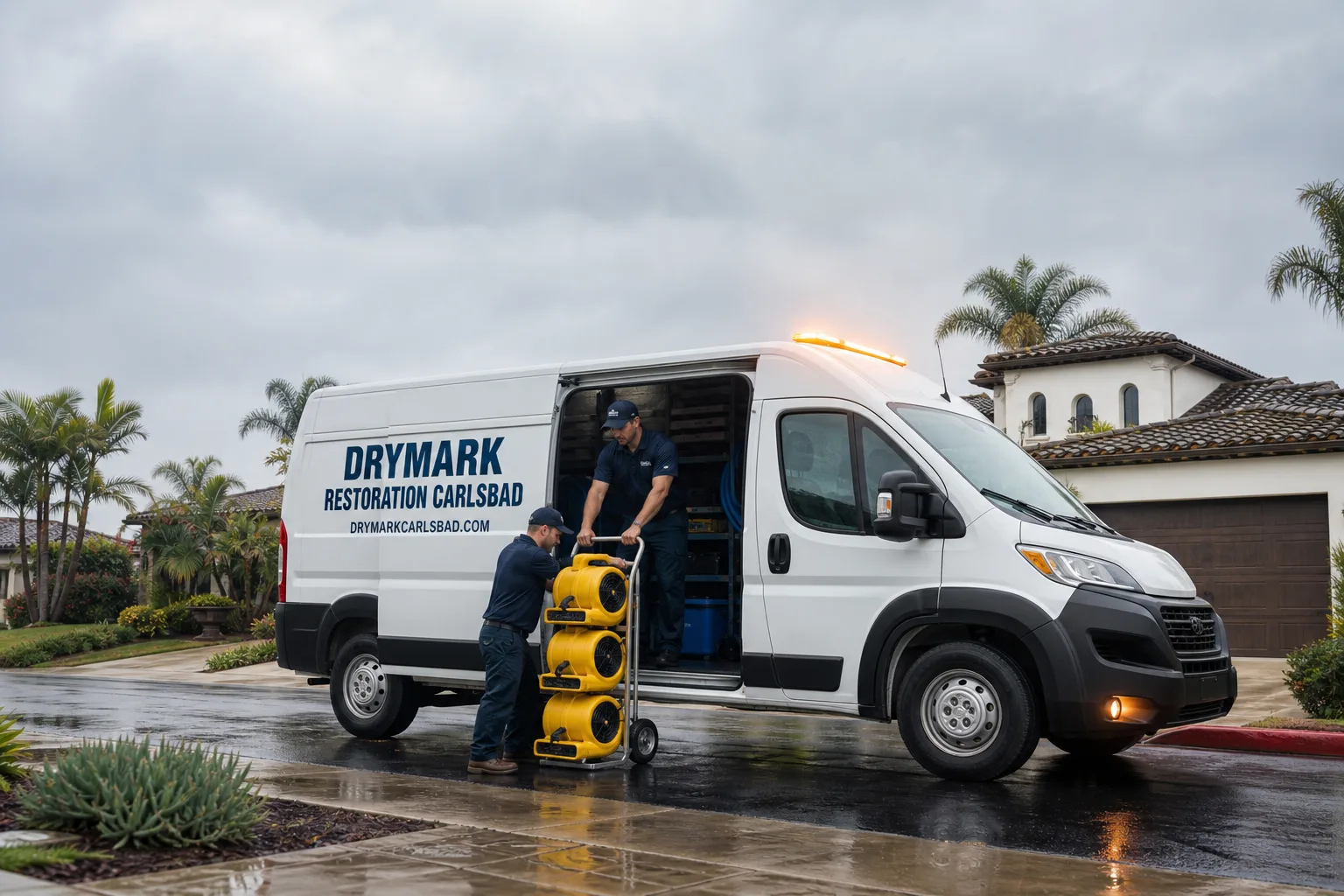
Free visual inspection and a written scope of work before any mitigation begins - photos, moisture readings, and drying logs go in your claim file
The scope we write is the scope we bill. Anything new gets shown to you, in writing, before we touch it.
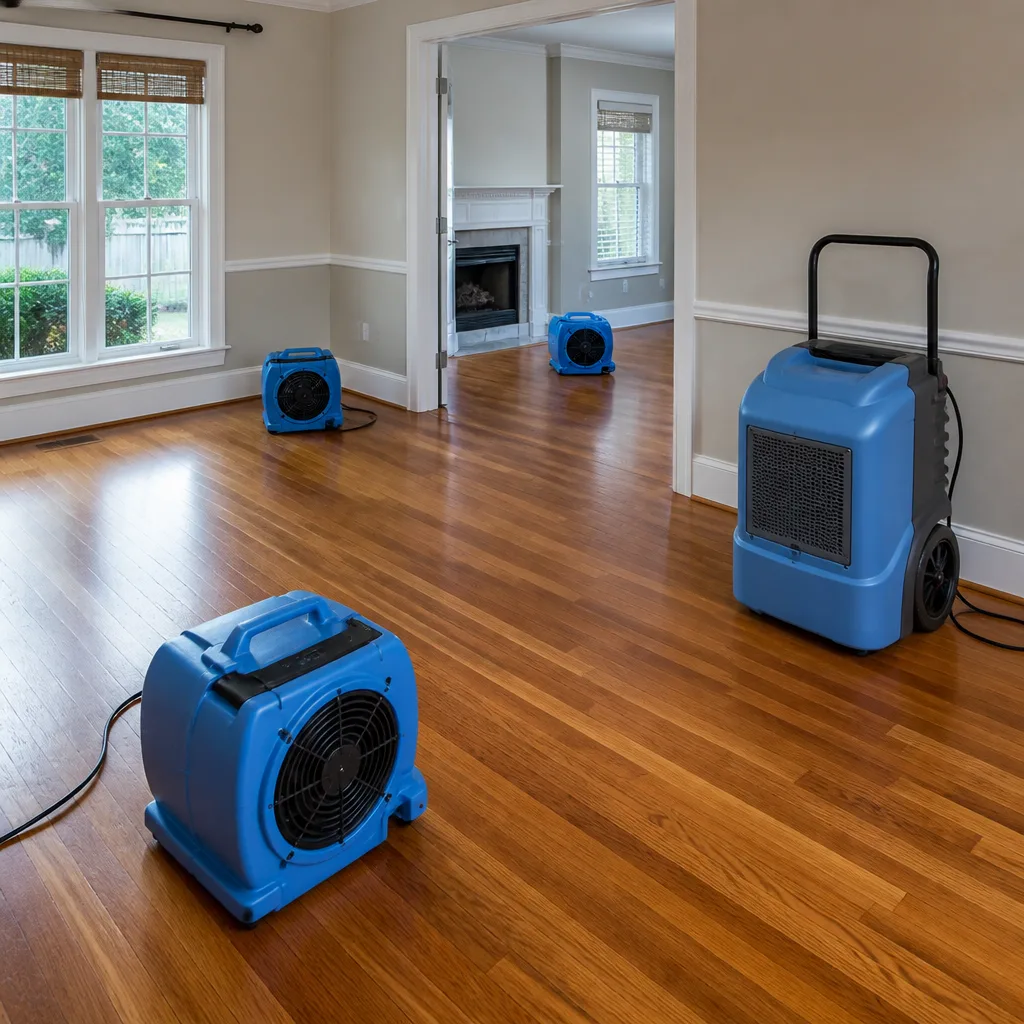

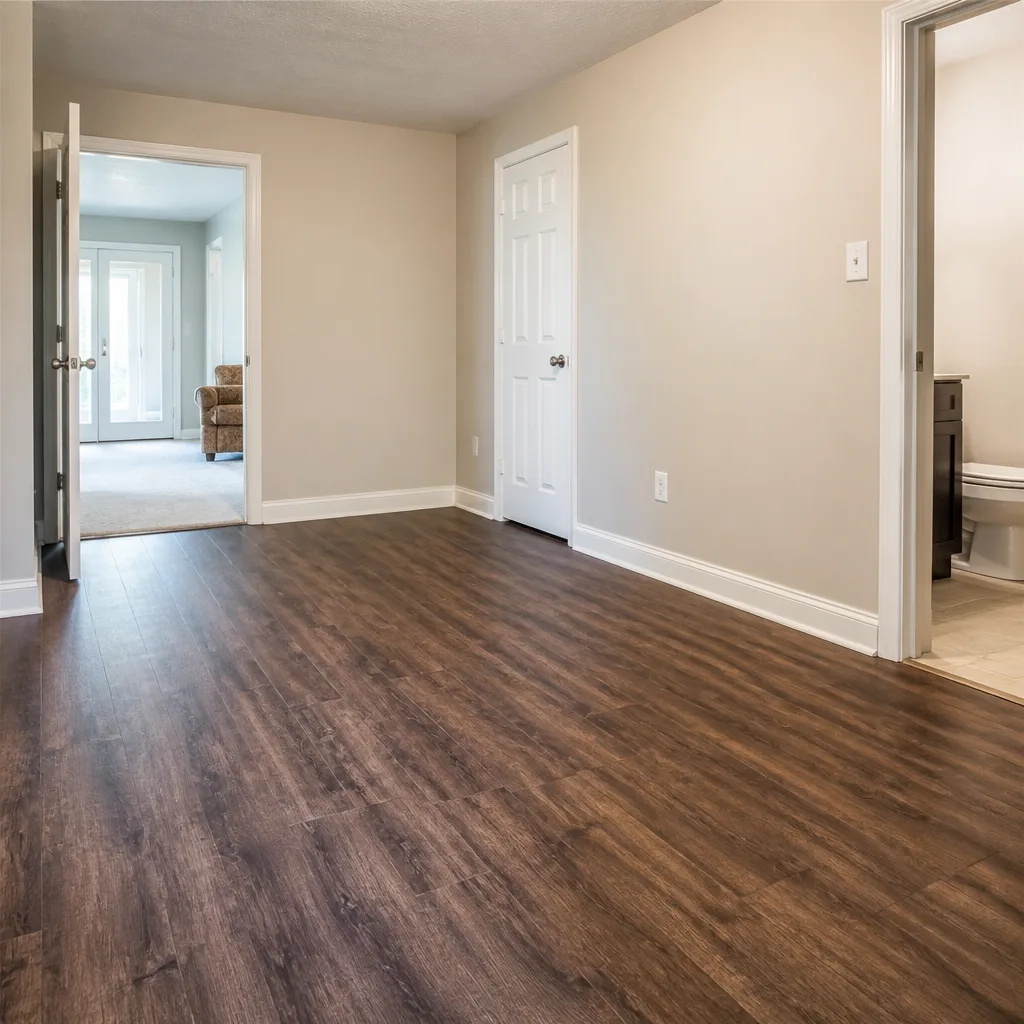

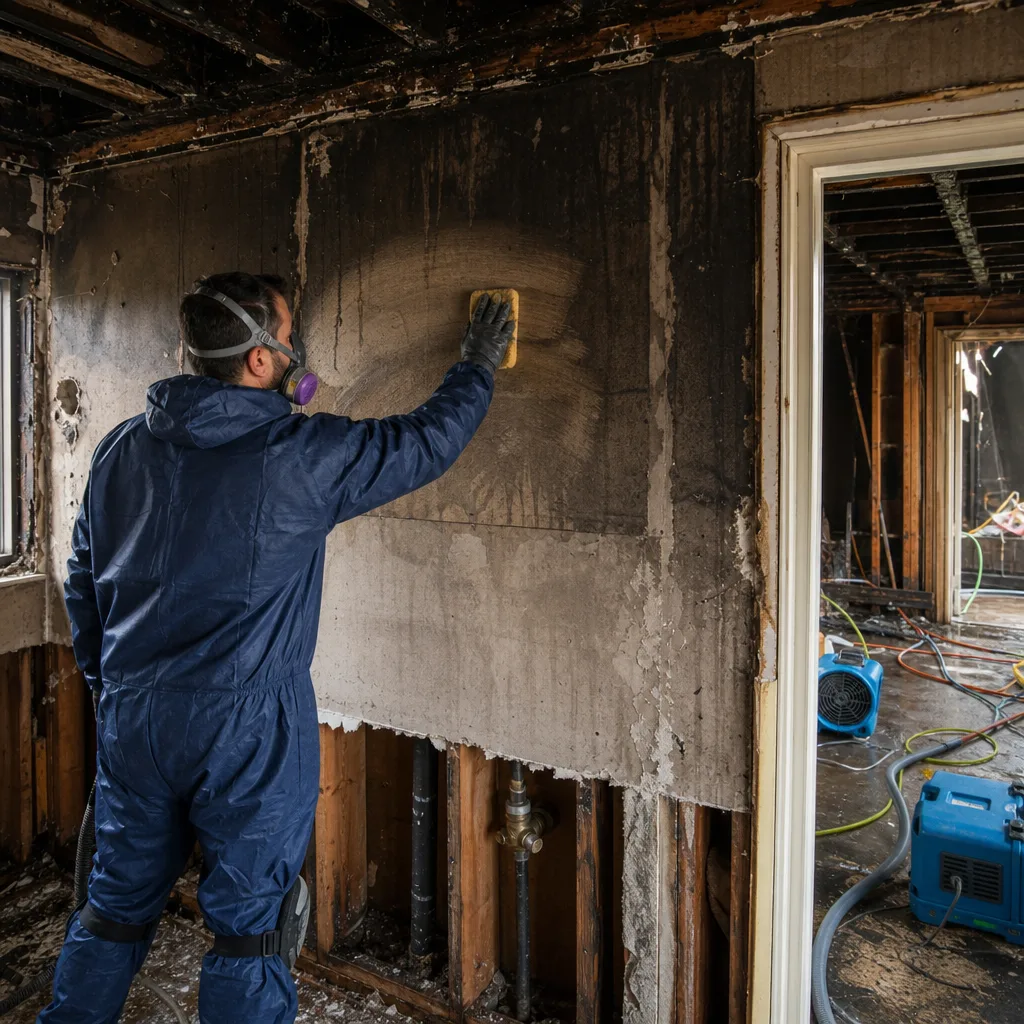
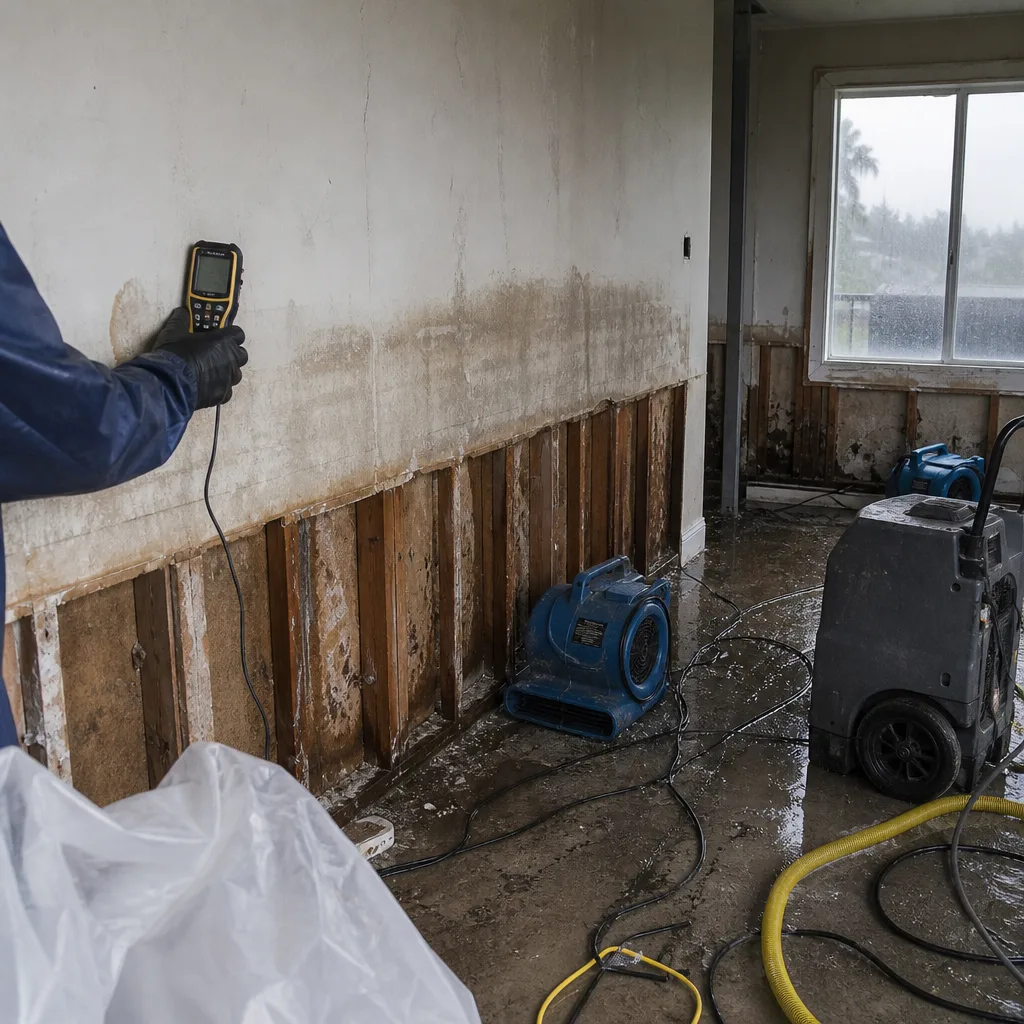 Before
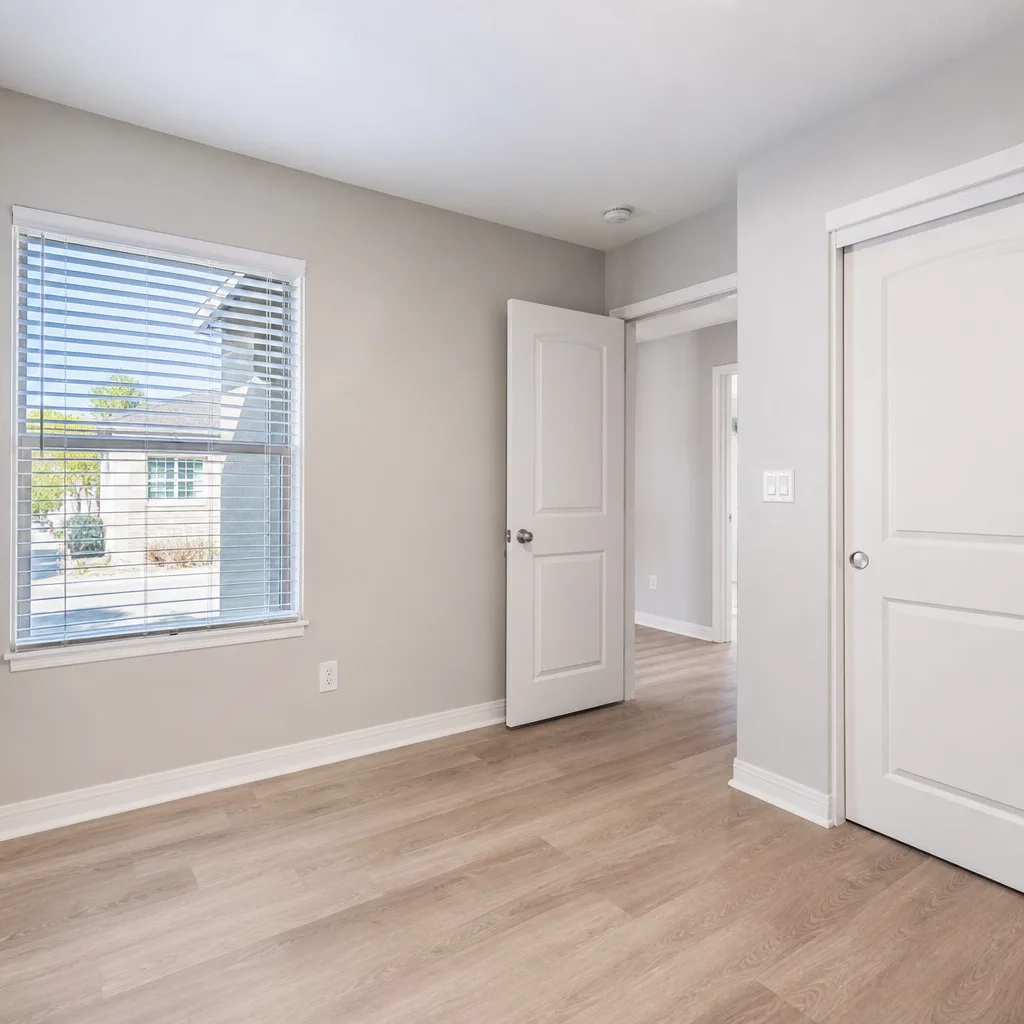 After
After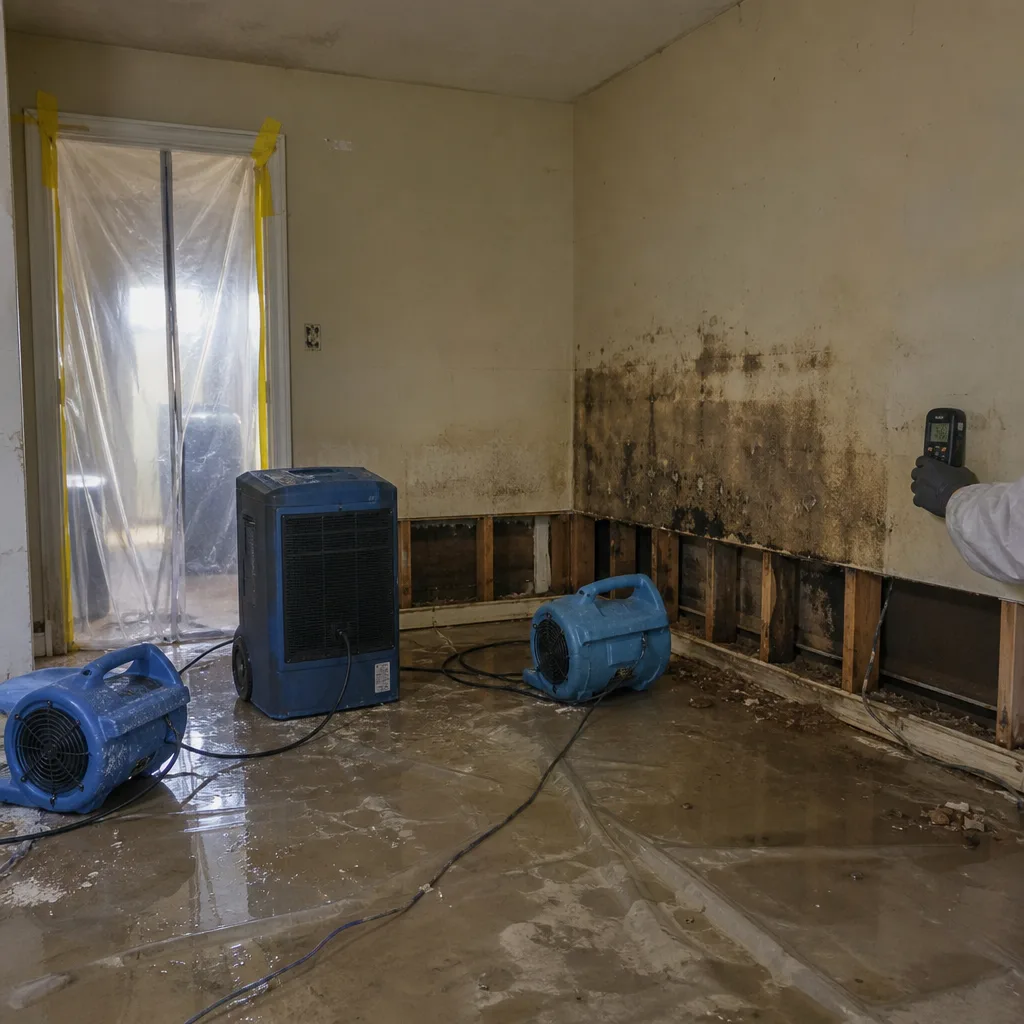 Before
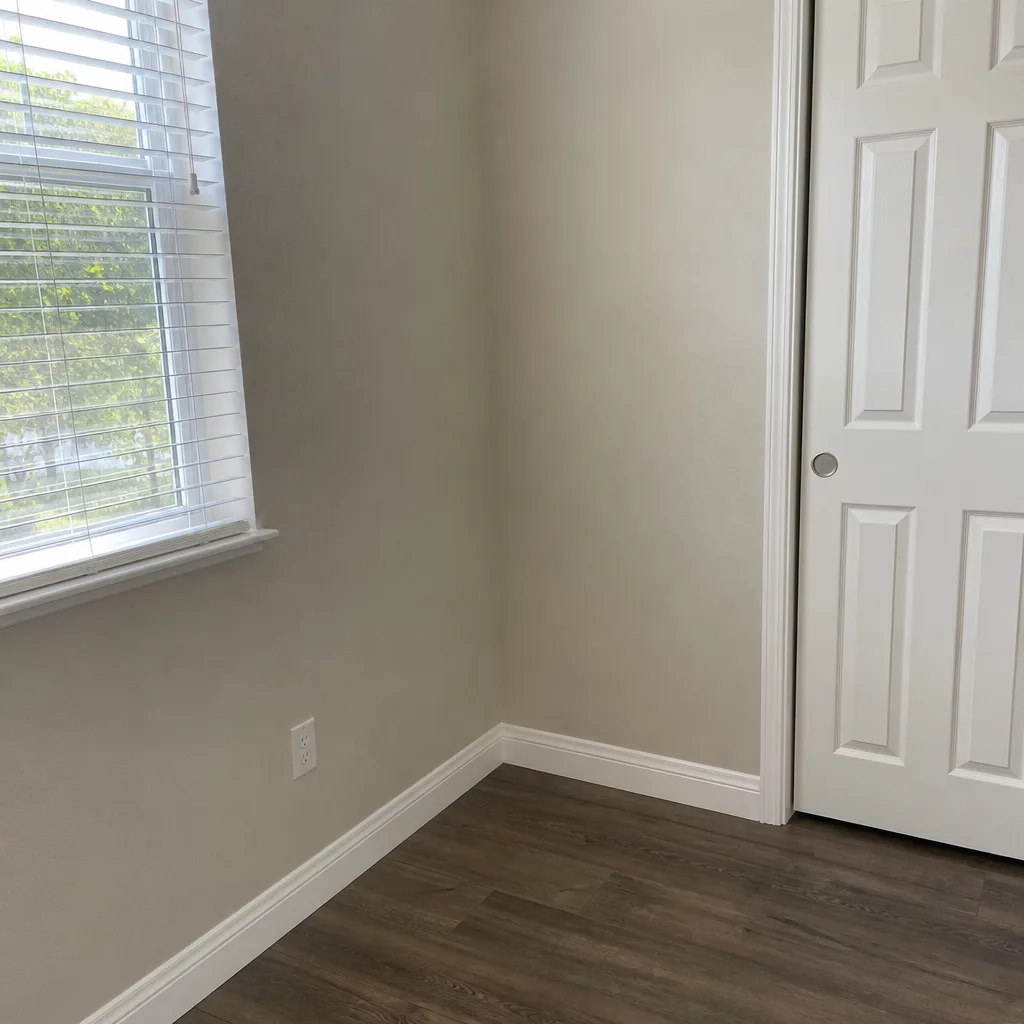 After
After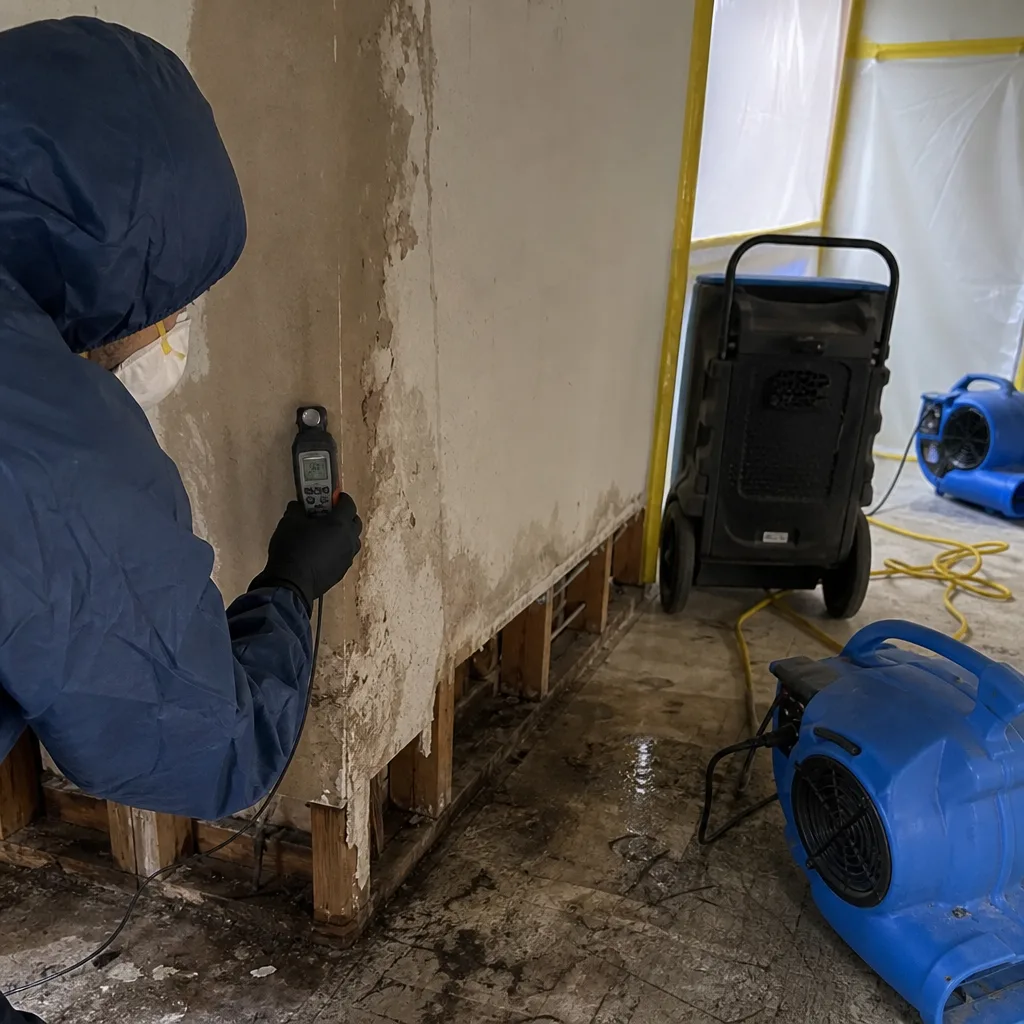 Before
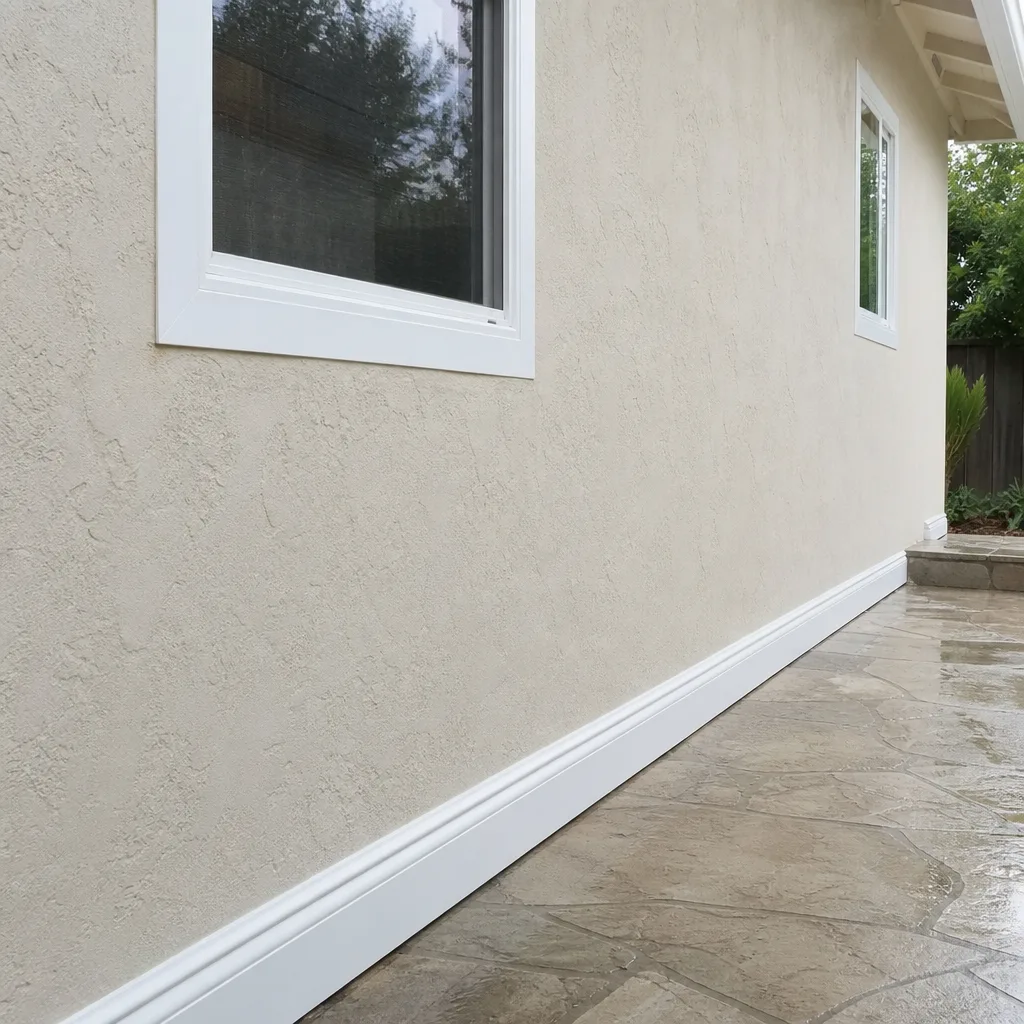 After
AfterFast, Reliable Water Damage Restoration Across Lake San Marcos
Water damage restoration in Lake San Marcos typically costs $2,800-$7,500 for a standard residential mitigation, with emergency water extraction starting at $1,200-$2,400 and structural drying running $180-$340 per day depending on equipment load. Most Lake San Marcos homes we see need 3-5 days of active drying, though lakefront properties with persistent humidity often require extended dehumidification cycles.
We’re familiar with Lake San Marcos’s specific challenges: the 1960s resort-era construction, the lake-driven humidity microclimate, and the shared-wall condo configurations that let water migrate silently between units. Our crews are dispatched from our regional office and can be on-site in Lake San Marcos within 45-60 minutes of your call. If you’re standing in water right now, call (858) 923-4372. A live person answers, 24 hours a day, 7 days a week. No voicemail trees.
Why DryMark Restoration Carlsbad Is Lake San Marcos’s Preferred Water Damage Restoration Company
We’ve restored water-damaged homes throughout Lake San Marcos, from the lakefront condos near the original clubhouse to the ranch-style units along Knoll Road and the hillside properties above the 78 corridor. Our local reputation is built on documentation: every job gets a written price before work starts, a photo record on every visit, and a drying log that insurance adjusters accept without dispute.
Homeowners in Lake San Marcos leave reviews mentioning specifically that we showed them moisture readings, explained the psychrometric data in plain language, and produced a written scope they could forward directly to their adjuster. Our response time to Lake San Marcos averages under an hour for emergency calls, and we carry the equipment stock locally so we’re not waiting on rentals while mold timelines accelerate.
What separates us in this market is that we understand Lake San Marcos’s dual-threat environment. The artificial lake sustains humidity levels anomalous for inland San Diego County, while the Santa Ana corridors that fed the 2014 Cocos Fire create abrupt dry spells and ember risk. We’ve handled jobs here where fire suppression water and lake-driven humidity compounded the same loss. That specific experience changes how we scope, document, and dry.
Our Water Damage Restoration Services in Lake San Marcos
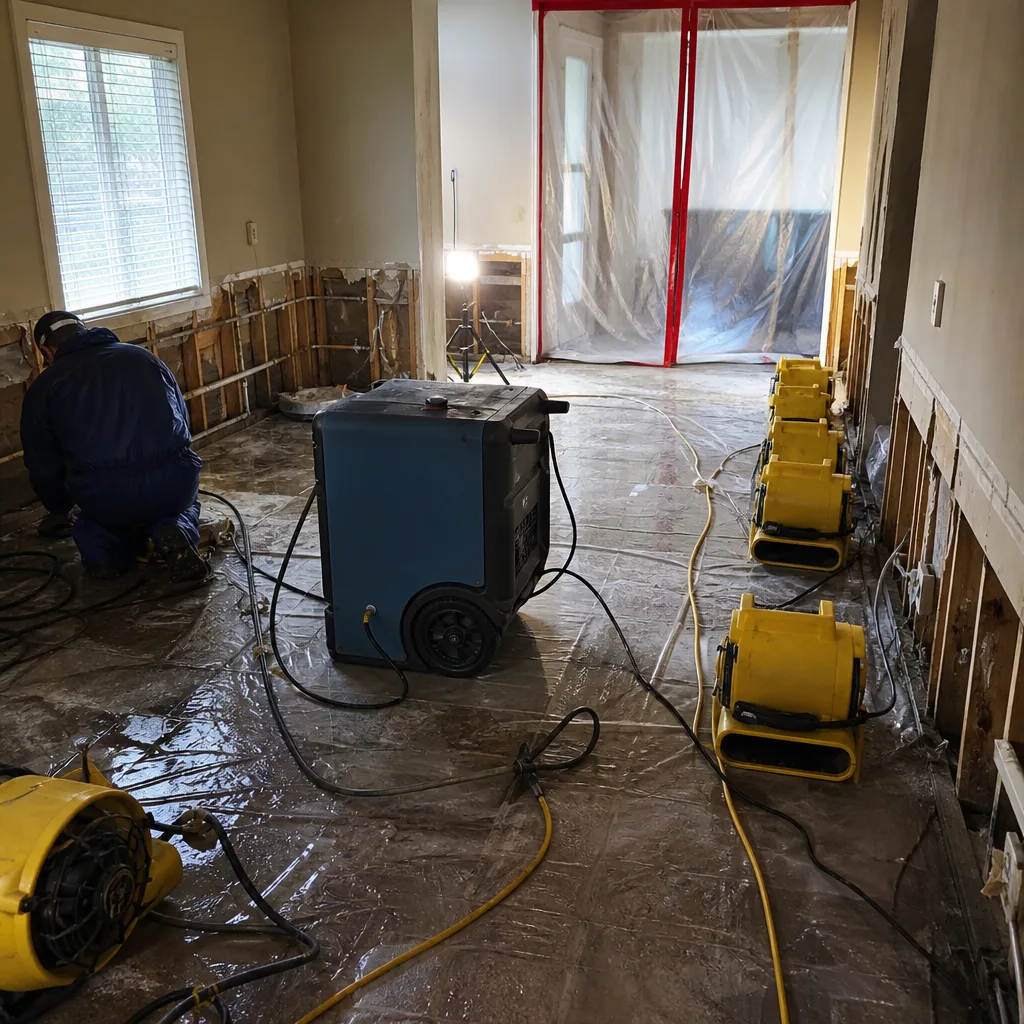
Emergency Water Extraction
When a supply line fails in a Lake San Marcos condo, water doesn’t respect unit boundaries. We extract standing water from the affected unit, then moisture-map shared wall assemblies to trace lateral migration before it reaches the neighboring bedroom. Our truck-mounted extraction systems handle category 1 through category 3 losses, and we document pre-extraction moisture readings and post-extraction readings in the same photo record for your claim file.
In Lake San Marcos specifically, we often find that extraction reveals more water than the initial visual survey suggested, especially in properties with original textured ceilings that mask saturation until the material fails. We price extraction by affected square footage and water classification, with typical Lake San Marcos residential extractions running $1,200-$2,400.
Structural Drying & Dehumidification
This is where Lake San Marcos diverges from standard San Diego County protocols. The lake’s persistent ambient humidity means baseline dehumidification capacity routinely falls behind within 24 to 48 hours. We deploy Dri-Eaz and Phoenix LGR dehumidifiers at higher density here, paired with XPOWER and B-Air air movers positioned to create vapor pressure differentials that pull moisture from structural materials into the airstream.
Psychrometric data - temperature, relative humidity, and specific humidity readings - gets logged every 24 hours. Tertiary drying, the final phase where hidden moisture in dense materials gets targeted, often takes longer in Lake San Marcos than in Escondido or Vista because the surrounding humidity works against us. We don’t guess when drying is complete; we measure, log, and show you the numbers. Daily drying log production is standard, not an upsell, because Haven Standard, Clause 1 applies to documentation too: you get the evidence before we invoice.
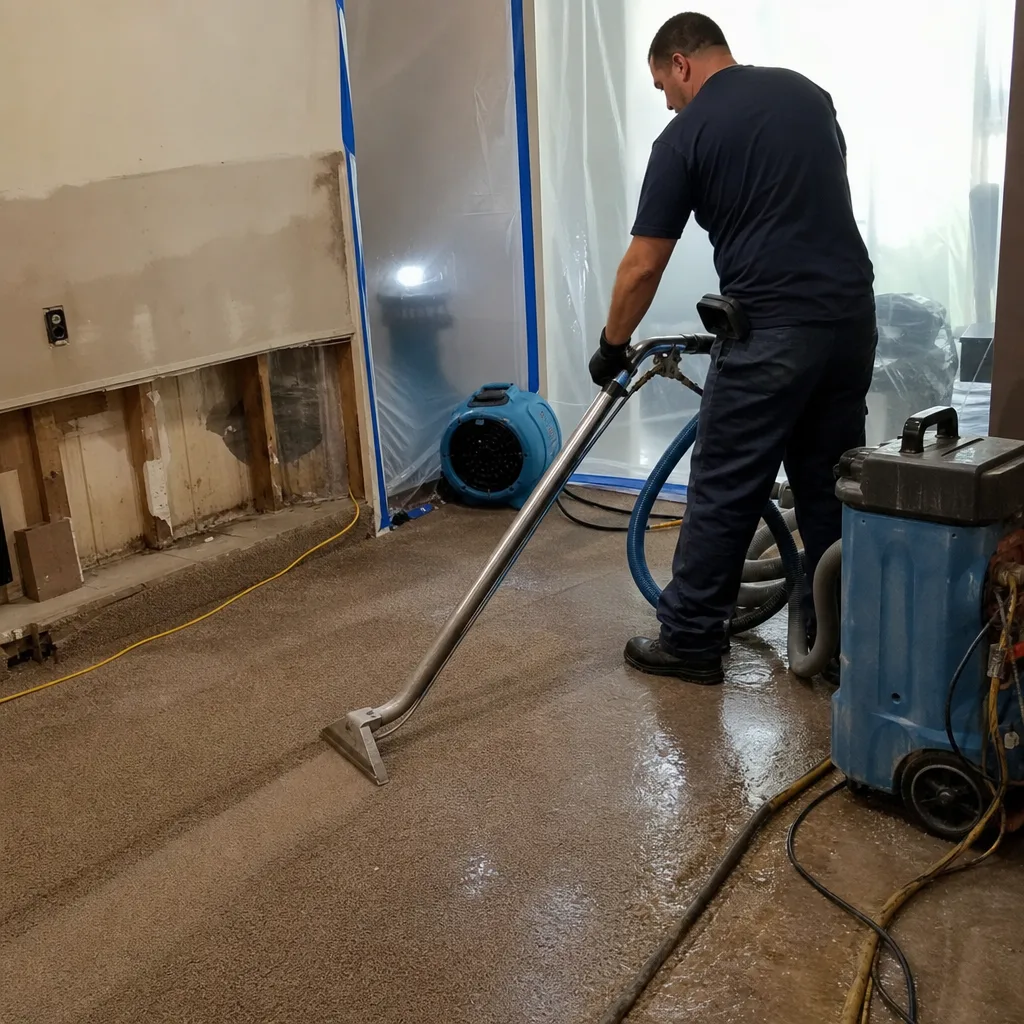
Flood Cleanup
Flood events in Lake San Marcos carry specific contamination risks. Properties near the lake’s graded-fill perimeter can experience groundwater intrusion through slab edges and block foundations, introducing silt and organic material that category 1 water becomes quickly. We classify floodwater accurately, contain the affected area, and remove compromised materials with proper disposal documentation.
Our flood cleanup scopes in Lake San Marcos routinely include HEPA vacuuming of settled particulates, antimicrobial application to salvageable framing, and air scrubbing during the drying phase. We write the price before demolition begins, and we photograph every square foot so your adjuster sees what we saw.
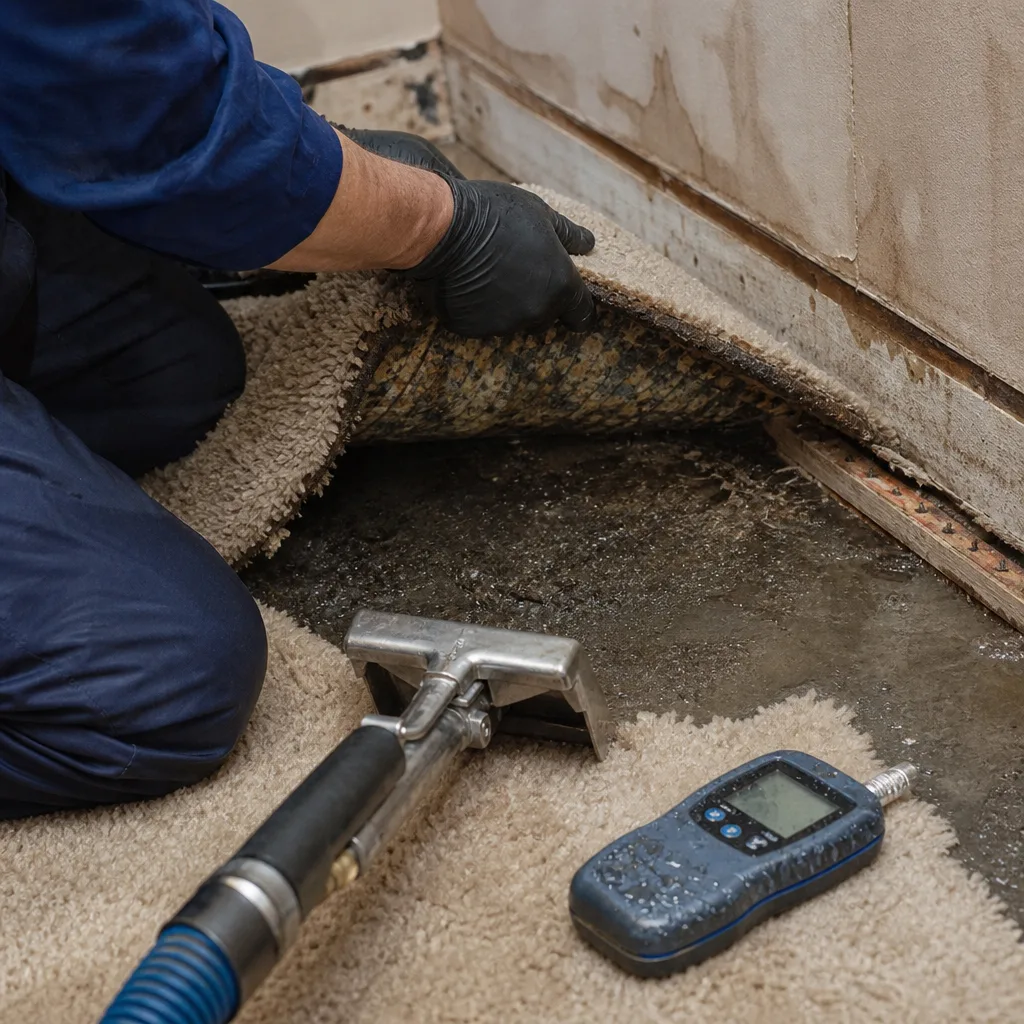
Burst Pipe Restoration
Original galvanized plumbing in Lake San Marcos’s 1960s-1970s housing stock fails predictably at joints and elbows, often behind walls where water travels laterally through shared assemblies before detection. We don’t just fix the pipe and patch the drywall. We trace the water path with thermal imaging and pin-type moisture meters, identify all affected materials, and scope the drying or removal accordingly.
One burst pipe in a Lake San Marcos condo can become a three-unit mitigation if the shared wall assembly isn’t mapped properly. We’ve done this enough times here that our technicians check adjacent units as a standard step, not a reactive one.
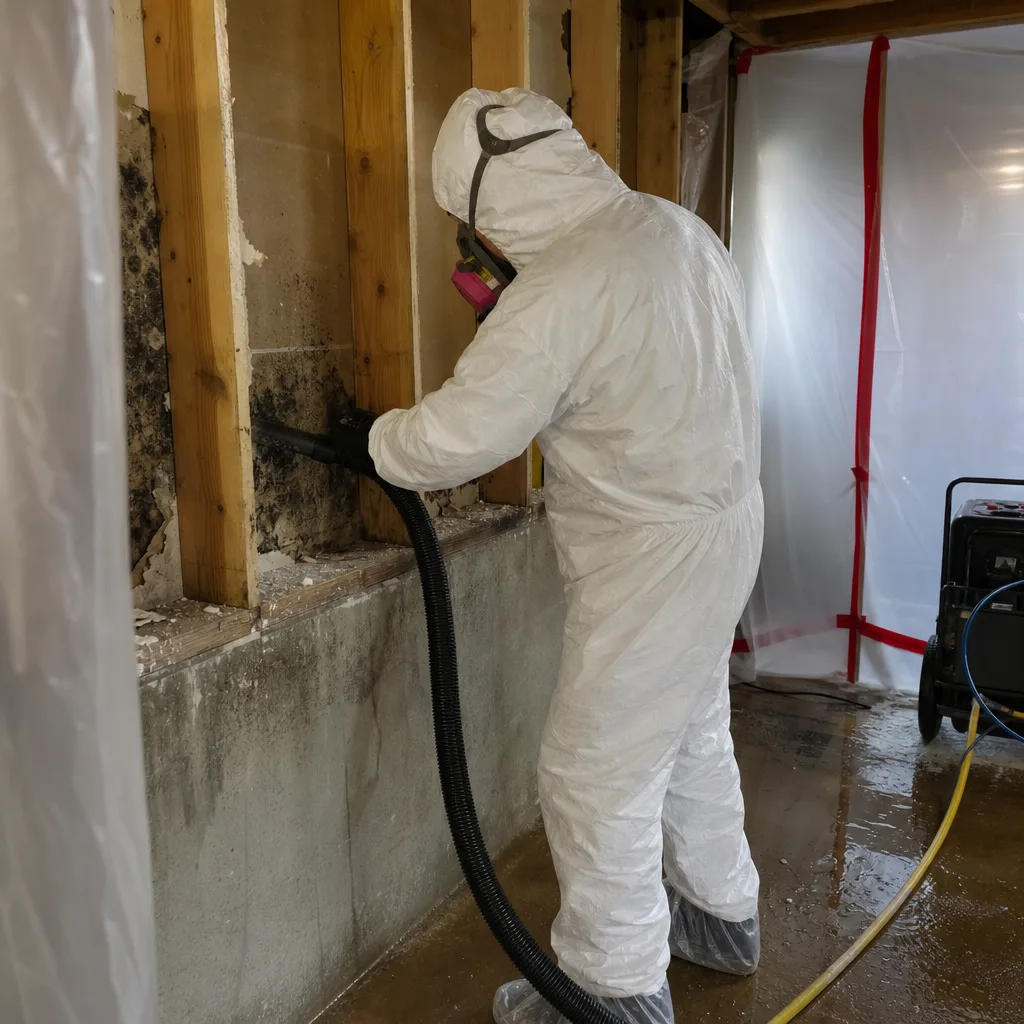
Ceiling & Roof Leak Water Damage
Single-ply roofing from the original construction era degrades faster in Lake San Marcos’s humidity-microclimate environment, and wind-driven rain intrusion through compromised seals is common. But here’s what makes this market distinct: we routinely find that reported roof leaks are actually slab-edge capillary wicking or sub-slab moisture migration presenting at the ceiling line.
We got a call from a lakefront condo near the San Marcos community clubhouse where the homeowner reported a roof leak, but our techs found active efflorescence along the slab edge and moisture readings climbing in the block foundation. After moisture mapping the shared wall assembly, we discovered the water had migrated laterally from an adjacent unit’s supply line, so we set up containment, performed water extraction, and ran Dri-Eaz and Phoenix dehumidification and air movers to stabilize both units before completing structural drying and documenting a drying log for the HOA. That kind of misdiagnosis costs homeowners thousands when crews treat the symptom and miss the source.
What happens when you call
- 1
A real person answersNo phone trees - you reach a local pro.
- 2
You get an upfront price rangeHonest numbers before anyone is dispatched.
- 3
A background-checked tech heads outLicensed & insured, dispatched right away.
- 4
You approve before work beginsNothing starts until you say go.
BeforeAfterTrusted Brands We Service in Lake San Marcos
Our equipment fleet for Lake San Marcos includes professional-grade drying systems from Dri-Eaz, Phoenix, and XPOWER, with B-Air units reserved for specialized containment configurations. We stock replacement filters, hoses, and sensors locally so we’re not waiting on supply runs while your drying timeline extends. Every piece of equipment is documented to IICRC, RIA, and IFA standards, and we maintain calibration records that your adjuster can request directly.
Common Water Damage Restoration Problems We See in Lake San Marcos Homes
- Slab-edge capillary wicking in lakefront properties. The graded fill and block foundations at the water’s edge draw moisture upward through capillary action, producing efflorescence and elevated pin readings that mimic roof leaks. Experienced crews here check sub-slab moisture before writing any scope, even on jobs reported as ceiling damage.
- Lateral migration through shared condo walls. A single category 1 water loss in a Lake San Marcos low-rise condo can travel through shared wall assemblies into multiple units before any alarm triggers or visual cue appears, turning a one-unit extraction into a multi-unit mitigation with HOA coordination requirements.
- Accelerated mold timelines from lake-driven humidity. The artificial lake sustains ambient humidity regularly exceeding surrounding inland valleys, meaning secondary mold growth begins faster here than in Escondido or Vista. Crews using baseline San Diego County dehumidification capacity routinely fall behind within 24 to 48 hours.
- Asbestos-era textured ceilings complicating water damage scopes. Many Lake San Marcos units retain original textured ceilings that may contain asbestos-era materials. Water saturation compromises these assemblies, and improper disturbance during drying or demolition creates regulatory and health exposure issues that must be scoped and documented correctly from day one.
Pricing for Water Damage Restoration in Lake San Marcos, CA
We publish ranges because Haven Standard, Clause 1 requires a written price before work starts, and that price should never surprise you.
| Service | Typical Range in Lake San Marcos |
|---|---|
| Emergency water extraction | $1,200 - $2,400 |
| Structural drying & dehumidification (per day) | $180 - $340 |
| Flood cleanup (category 2-3, per affected sq ft) | $4.50 - $8.50 |
| Burst pipe restoration (mitigation only) | $2,200 - $4,800 |
| Ceiling/roof leak damage (typical residential scope) | $1,800 - $5,200 |
| Full residential mitigation (typical 3-5 day dry) | $2,800 - $7,500 |
What moves you within these ranges: water classification (clean, gray, or black), affected square footage, whether demolition is required, and whether the loss involves shared-wall condo assemblies requiring multi-unit coordination. Lakefront properties with persistent humidity often need extended dehumidification, which we scope and price in writing before extending the equipment phase.
We also offer a Free Second Opinion on any competitor’s written estimate. Bring their scope to us and we’ll review it at no charge. Call (858) 923-4372 for an exact quote on your specific loss. Estimates are free.
We Also Serve Cities Near Lake San Marcos
Our Water Damage Restoration crews serve Lake San Marcos and surrounding communities including Carlsbad, Encinitas, Vista, and San Marcos. Dispatch and scheduling are coordinated from our regional office. Whether you’re in a lakefront condo or a hillside ranch, our response protocols and documentation standards remain identical. If you need Water Damage Restoration in Lake San Marcos specifically, request Lake San Marcos dispatch and we’ll route the nearest available crew.
Serving Lake San Marcos, CA - Our Local Coverage Area
We’re based in the Lake San Marcos area and know this community well. Use the map below to see our service coverage - if you’re nearby, we can almost certainly help.
FAQs - Water Damage Restoration in Lake San Marcos
Shared wall assemblies in Lake San Marcos’s low-rise condominiums allow water to migrate laterally through common framing and utility chases before detection. Many units retain original 1960s construction with continuous wall cavities rather than modern fire-stopping or water barriers, so a supply line failure in one unit can saturate the shared assembly and present as damage in an adjacent bedroom or closet. We moisture-map shared walls as a standard step on every Lake San Marcos condo call, not as an add-on. Call (858) 923-4372 if you suspect lateral migration in your building.
The artificial lake sustains ambient humidity levels that regularly exceed surrounding inland valleys, which means evaporated moisture re-enters structural materials faster and dehumidifiers work harder to maintain target vapor pressure differentials. We deploy Dri-Eaz and Phoenix LGR units at higher density in Lake San Marcos, extend tertiary drying phases, and log psychrometric data more frequently to prove completion. Baseline San Diego County drying protocols often fall behind here within 24 to 48 hours. Call (858) 923-4372 for a scope that accounts for local humidity conditions.
Lakefront and near-shore properties in Lake San Marcos sit on 1960s graded fill with block foundations that exhibit chronic capillary moisture wicking at slab edges, and this moisture can present at ceiling lines or wall bases in ways that mimic roof leaks. Active efflorescence and elevated pin-type moisture readings at the slab edge are so common among lake-adjacent properties that experienced local crews check for sub-slab moisture before finalizing any scope, even on jobs initially reported as ceiling damage. Misdiagnosing the source means treating the symptom while the actual moisture path continues degrading the structure. Call (858) 923-4372 and we’ll trace the true source with documented readings.
Secondary mold growth can begin within 24 to 48 hours of water intrusion in Lake San Marcos, faster than in surrounding inland areas because the lake-driven humidity sustains the moisture conditions mold requires. In 1960s-era properties with single-ply roofing and textured ceilings, the original building envelope is less vapor-resistant than modern construction, so moisture lingers in hidden assemblies longer. This is why we emphasize rapid extraction and aggressive dehumidification on every Lake San Marcos emergency call. Call (858) 923-4372 for immediate response.
Stop the water source if you can do so safely, then call us before disturbing the ceiling material. Original textured ceilings in Lake San Marcos’s 1960s-1970s housing stock may contain asbestos-era materials, and improper disturbance during drying or demolition creates regulatory exposure and health risks. We scope containment and abatement coordination as part of the water damage mitigation when these materials are present, and we document the condition with photos before any work begins so your adjuster and any environmental consultant have clear baseline records. Call (858) 923-4372 and we’ll assess the ceiling assembly before recommending next steps.
Written by Alicia Brennan, Owner at Back to Dry Restoration, serving Lake San Marcos since 2011.