
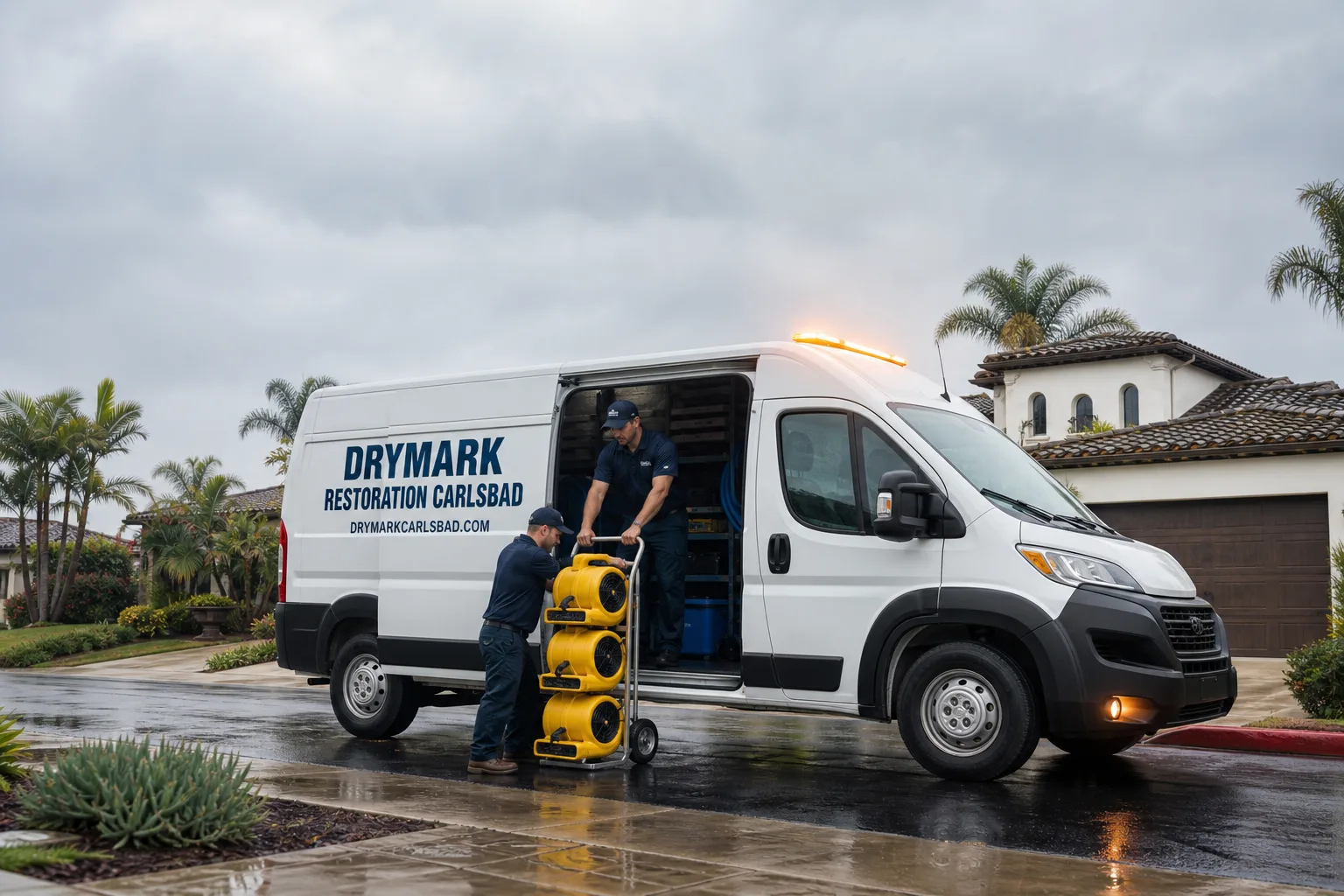
Free visual inspection and a written scope of work before any mitigation begins - photos, moisture readings, and drying logs go in your claim file
The scope we write is the scope we bill. Anything new gets shown to you, in writing, before we touch it.

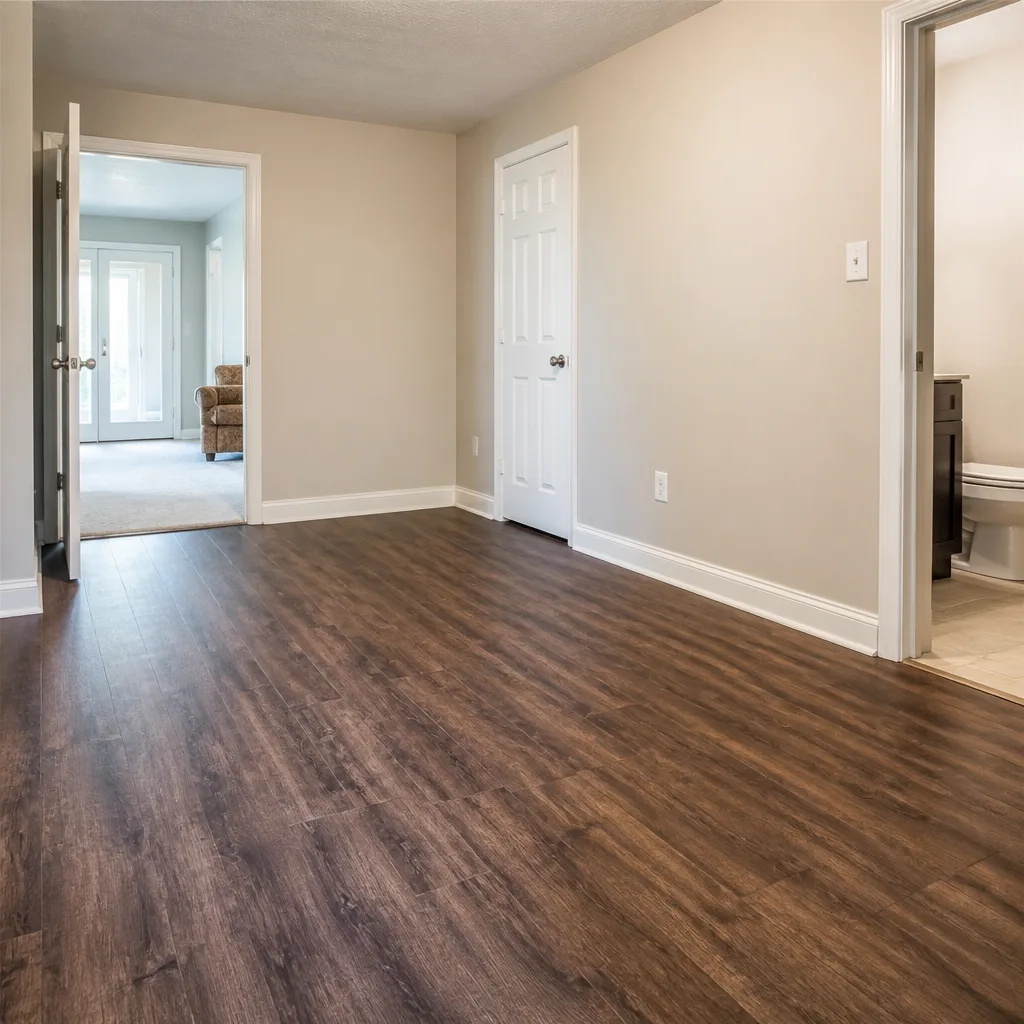

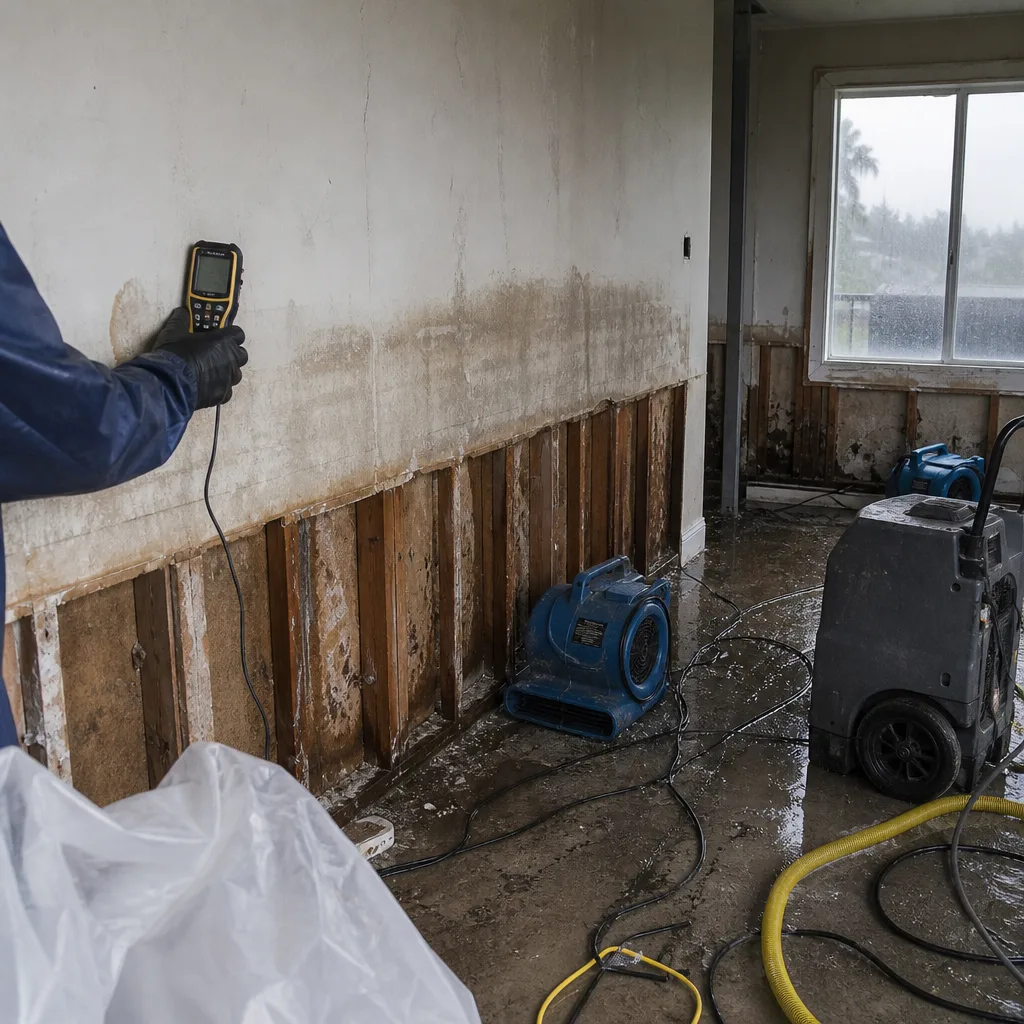 Before
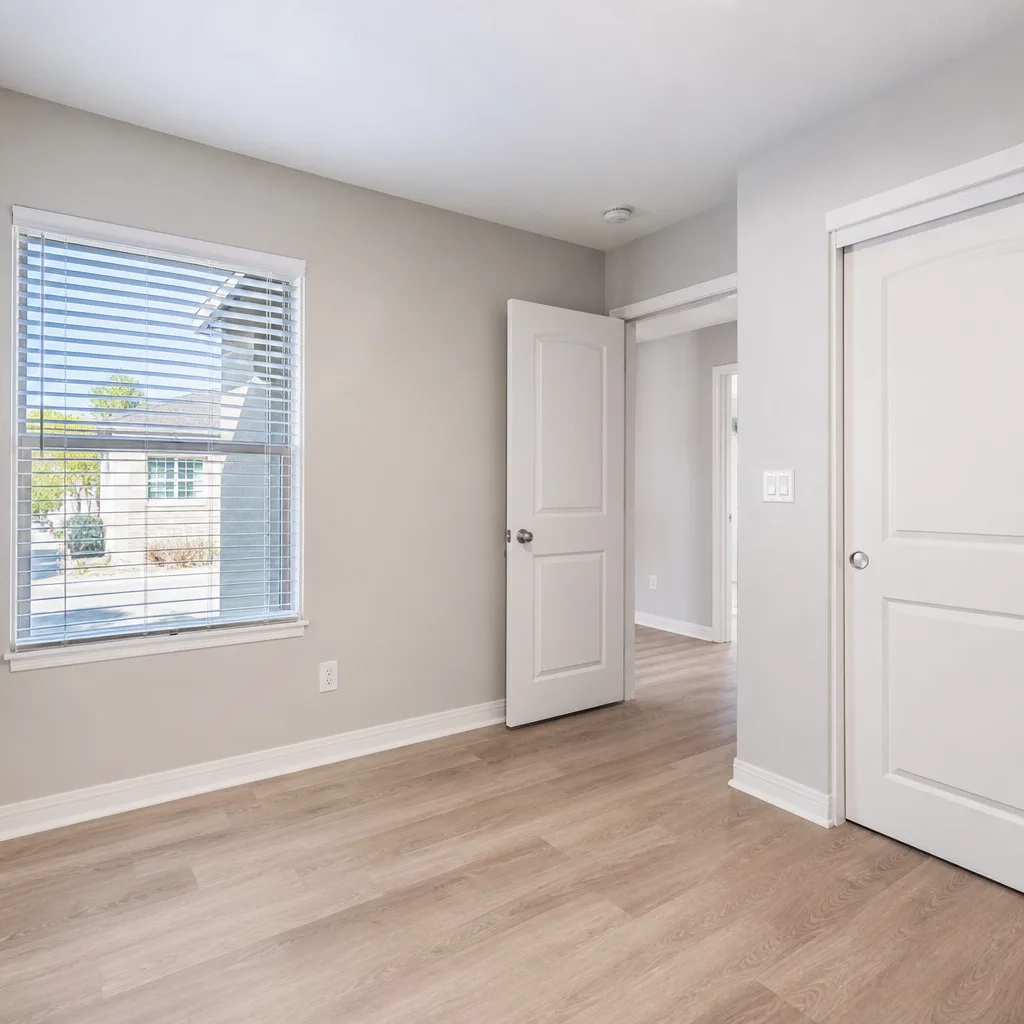 After
After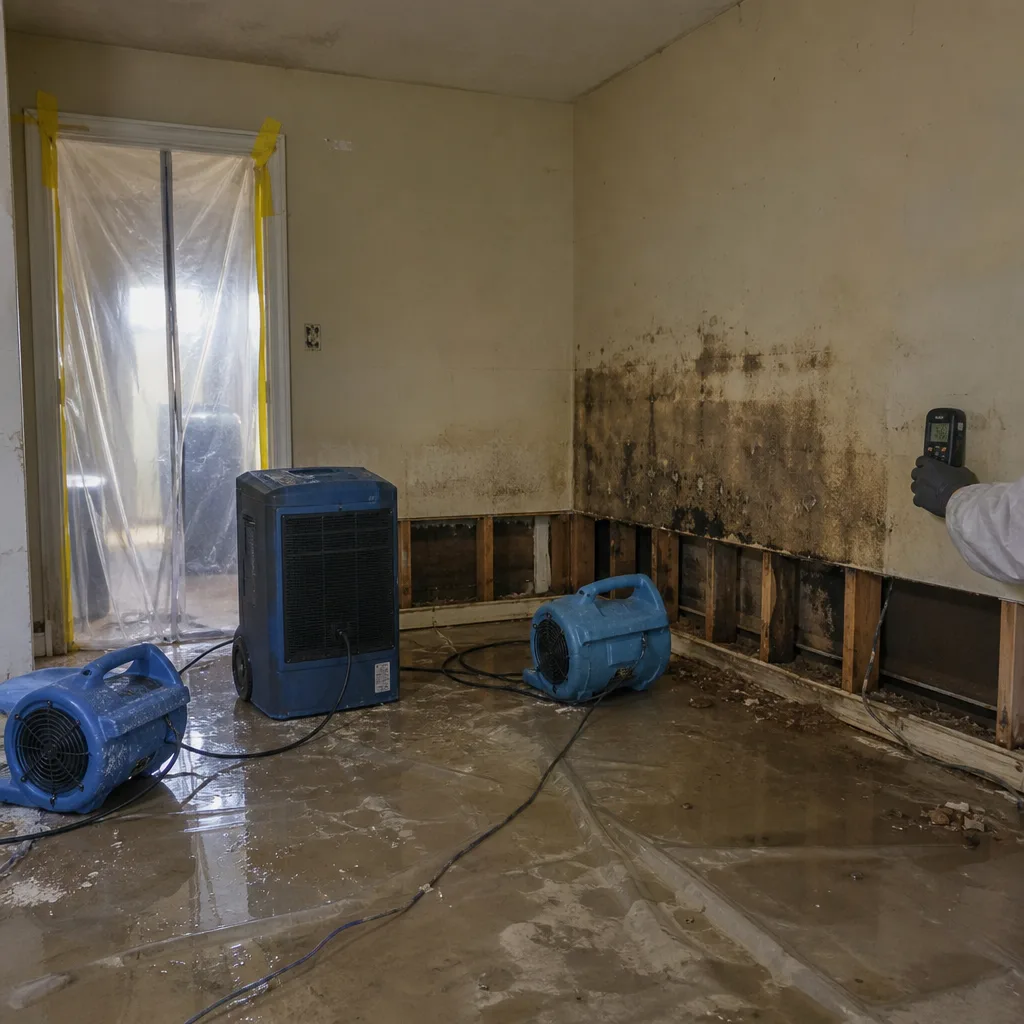 Before
 After
After Before
 After
AfterFast, Reliable Fire & Smoke Damage Restoration Across Lake San Marcos
Fire and smoke damage restoration in Lake San Marcos typically runs $3,200-$8,500 for a moderate residential job, with emergency board-up and tarping available within 60-90 minutes of your call. Our crews are dispatched from our regional coordination office and carry the documentation equipment, moisture meters, and containment systems needed to handle both the fire damage and the hidden moisture problems that follow suppression water in this lake-adjacent community. Call (858) 923-4372 now - a live person answers, 24 hours a day, 7 days a week, and we’ll have a written scope to you before any work begins.
We’ve restored homes in Lake San Marcos since 2011, and the pattern here is distinct from anywhere else in inland San Diego County. The same 1960s ranch homes and low-rise condominiums that draw residents to this master-planned lake community also present a dual restoration challenge: Santa Ana wind corridors that drove the 2014 Cocos Fire through neighboring San Marcos, layered over an artificial lake that keeps ambient humidity chronically above surrounding valleys. When a kitchen fire or electrical event triggers suppression systems, the water doesn’t just damage what’s visible. It hits wall cavities that were already holding capillary moisture from the lake microclimate. That’s why our Fire & Smoke Damage Restoration team scopes for both damage types on every Lake San Marcos call - one trip, one written price, full documentation.
Why DryMark Restoration Carlsbad Is Lake San Marcos’s Preferred Fire & Smoke Damage Restoration Company
Back to Dry Restoration, led by Alicia Brennan and operating under The Haven Standard since 2011, was built by a former claims adjuster who watched homeowners lose legitimate coverage because restoration crews failed to document what they found. We don’t repeat that mistake. Every Lake San Marcos job gets a photo record on every visit, daily moisture logs with psychrometric data - temperature, relative humidity, and vapor pressure differential, which is the force that drives moisture through building materials - and a written price before anyone starts work. Haven Standard, Clause 1: no exceptions.
Our 12,000+ restored homes include properties throughout the 92078 ZIP code and along the lakefront roads where 1960s-era construction meets modern insurance scrutiny. Lake San Marcos residents review us specifically for our documentation - the drying logs that turned disputed claims into paid ones, the written scopes that prevented surprise additions mid-job. We maintain a Free Second Opinion policy on any competitor’s written estimate: bring us their scope, we’ll review it at no charge.
Response time to Lake San Marcos averages under 90 minutes for emergency calls, with live dispatch coordinating crews from our regional office. We know the community’s road network, the gated entry protocols for lakefront associations, and the specific failure modes of 50-60 year old ranch construction. That local knowledge means faster containment, more accurate initial scopes, and fewer return trips.
Our Fire & Smoke Damage Restoration Services in Lake San Marcos
Fire Damage Cleanup
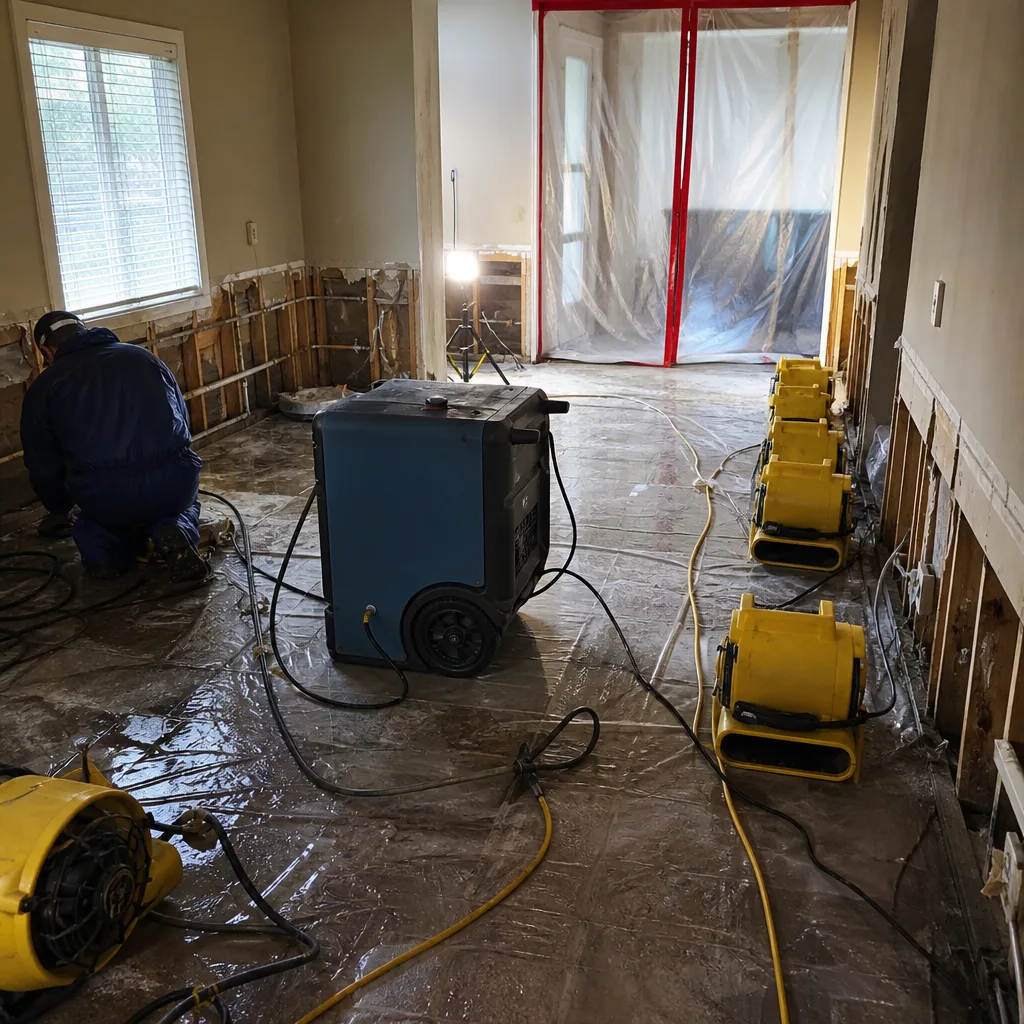
Fire damage cleanup in Lake San Marcos starts with understanding what burned and what got wet. Structure fires in these 1960s-1970s ranch homes often involve original textured ceilings that may contain asbestos-era materials, requiring certified abatement coordination before tear-out begins. We document the affected square footage, classify materials by trade name - Type X gypsum, lath and plaster, T-111 siding - and deliver a written scope with line-item pricing before demolition starts. In condo configurations along the lake, shared wall assemblies mean we establish containment immediately to prevent smoke and soot migration into neighboring units.
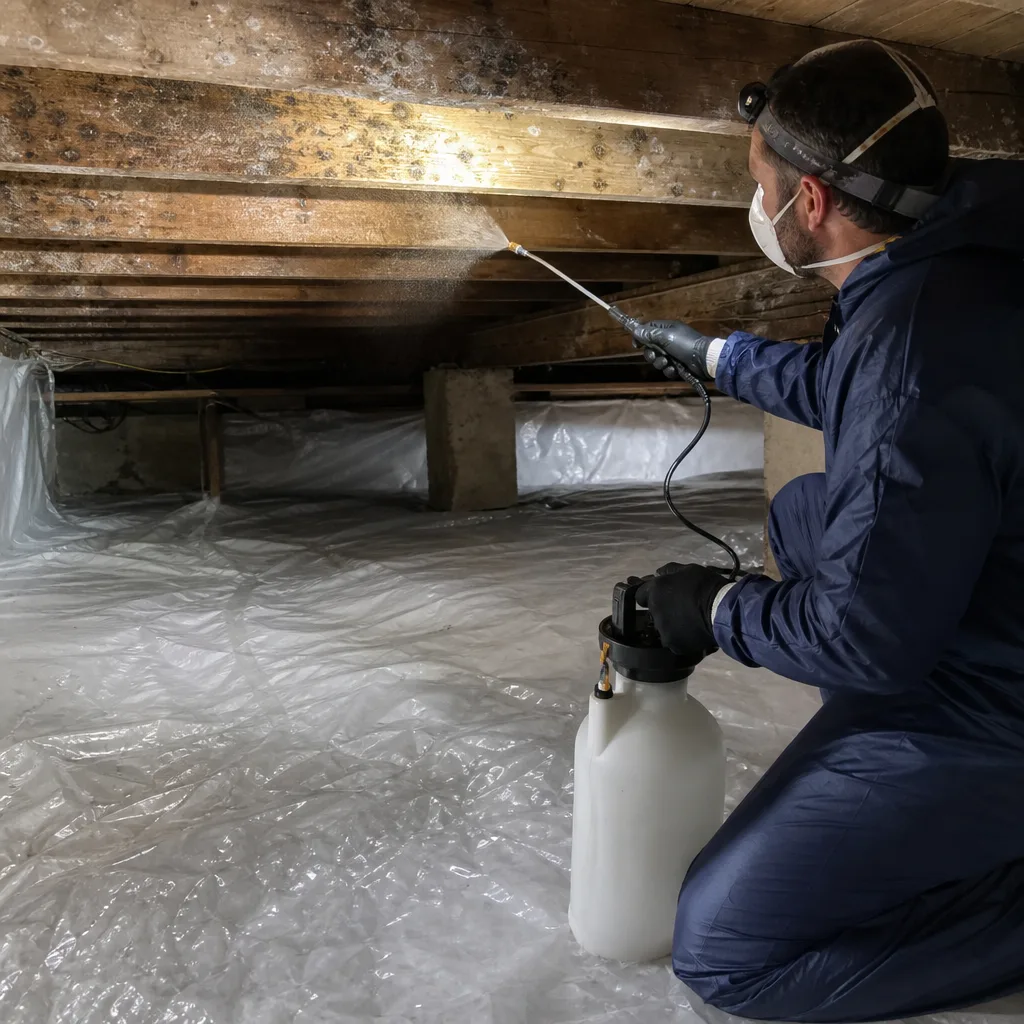
Smoke & Soot Removal
Smoke and soot removal demands different approaches depending on whether you’re dealing with dry smoke from fast-burning materials, wet smoke from smoldering synthetics, or protein residue from kitchen fires - the most common call we get in Lake San Marcos. Protein fires leave nearly invisible but pungent residue that standard cleaning won’t touch. Our techs use HEPA vacuuming, chemical sponges, and thermal fogging matched to the soot classification, with documentation photos at each stage. The lake’s elevated ambient humidity complicates this work: soot particles hygroscopically attract moisture, setting residue deeper into porous surfaces if not addressed within the first 24-48 hours.
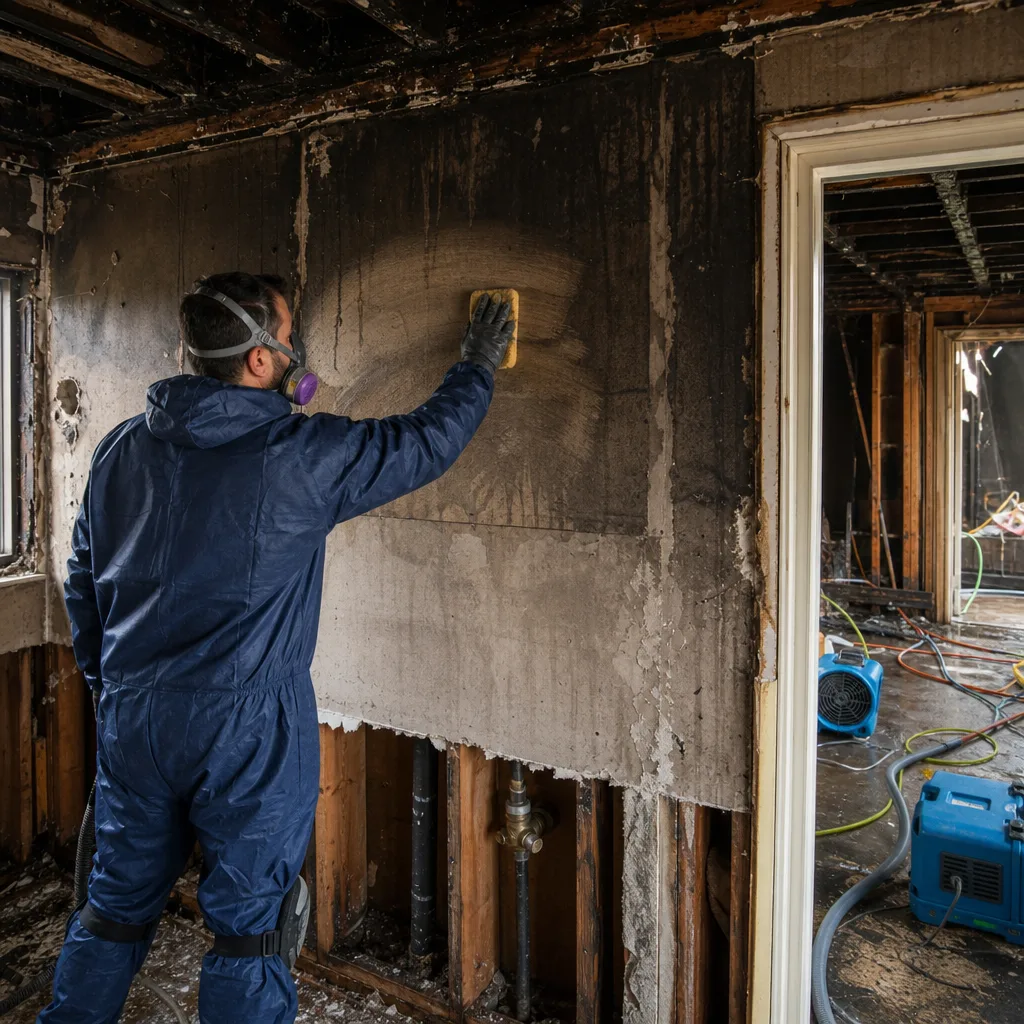
Odor Removal & Deodorization
Odor removal in Lake San Marcos ranch homes presents a specific challenge: these single-story structures with original construction often have limited attic ventilation and perimeter soffits that trap smoke odor in wall cavities and HVAC systems. We deploy hydroxyl generators and ozone treatment where appropriate, but the critical step is source removal first - charred materials out, then deodorization. Masking agents violate our documentation standards; if we can still smell it, we haven’t finished. The Haven Standard requires us to log odor assessment readings before and after treatment, with the homeowner’s sign-off on completion.
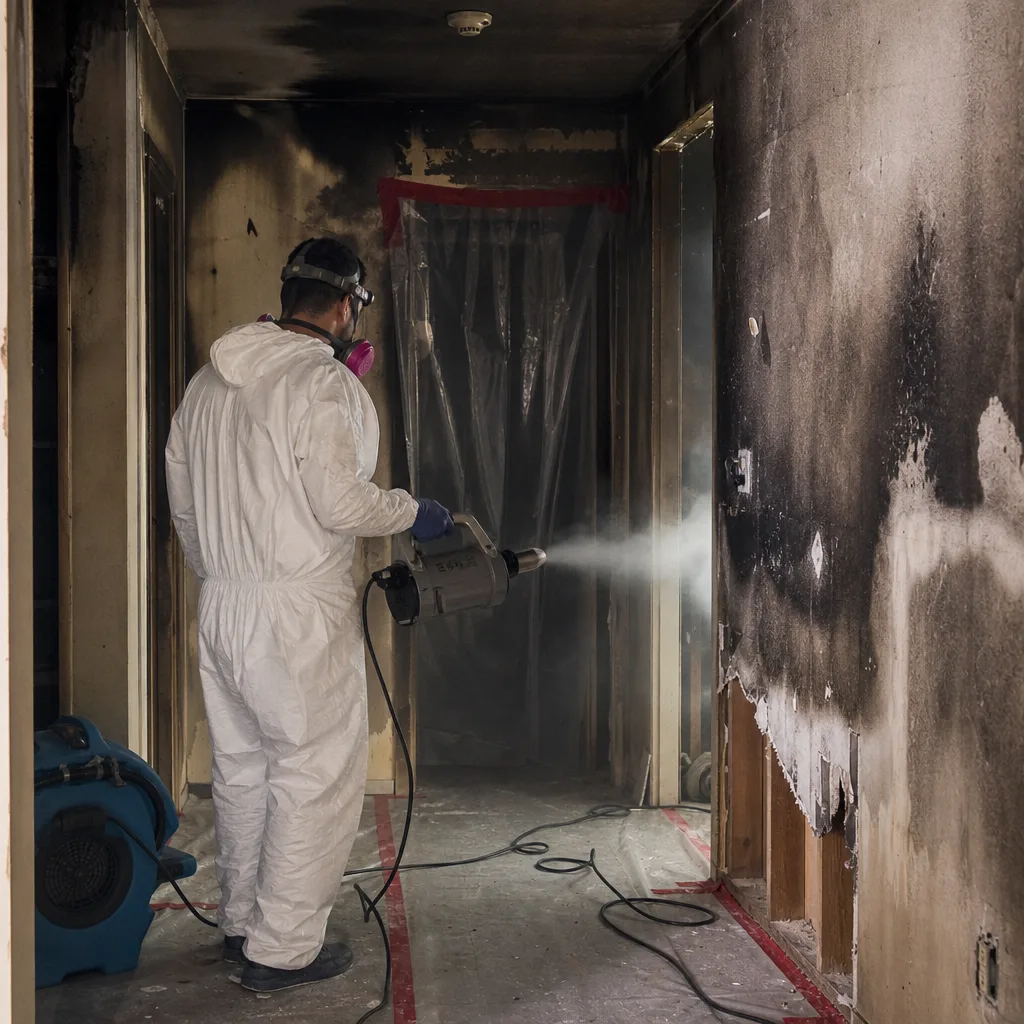
Contents Cleaning & Pack-Out
Contents cleaning and pack-out protects salvageable items from further damage while restoration proceeds. In Lake San Marcos, where many residents maintain secondary residences or travel frequently, we offer full inventory documentation with photo records - every item, every condition note, every cleaning method applied. Ultrasonic cleaning for hard goods, Esporta wash systems for textiles, and specialized electronics restoration where viable. All documented to IICRC and RIA standards for insurance submission.
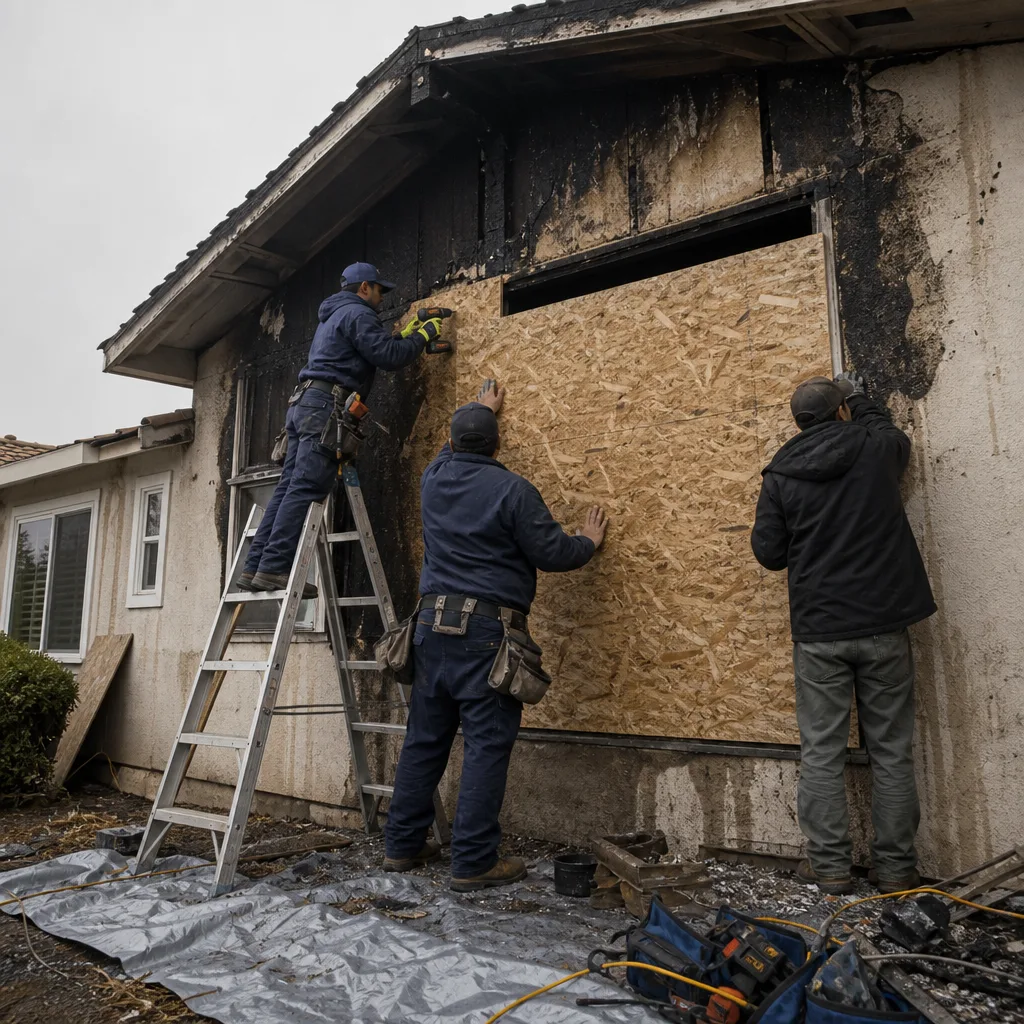
Emergency Board-Up & Tarping
Emergency board-up and tarping secures the structure against weather, intrusion, and secondary damage. For Lake San Marcos properties with detached workshops, boat storage, or acreage outbuildings - common in the hillside lots above the lake - we carry extended-reach equipment and oversized tarp inventory. Every board-up is photo-documented before and after, with a written scope for any temporary weatherproofing that will remain in place beyond 72 hours.
Structural Fire Repair
Structural fire repair in Lake San Marcos must account for the community’s specific construction era. Original galvanized plumbing, single-ply roofing at end of service life, and block foundations with chronic capillary moisture wicking - these conditions don’t appear in modern construction scopes. Our repair estimates include moisture testing of adjacent assemblies, replacement material specifications by trade name, and the 365-Day Done Right Promise backed by The Haven Standard. If it’s not done right, we make it right. That’s a signed guarantee, not a marketing line.
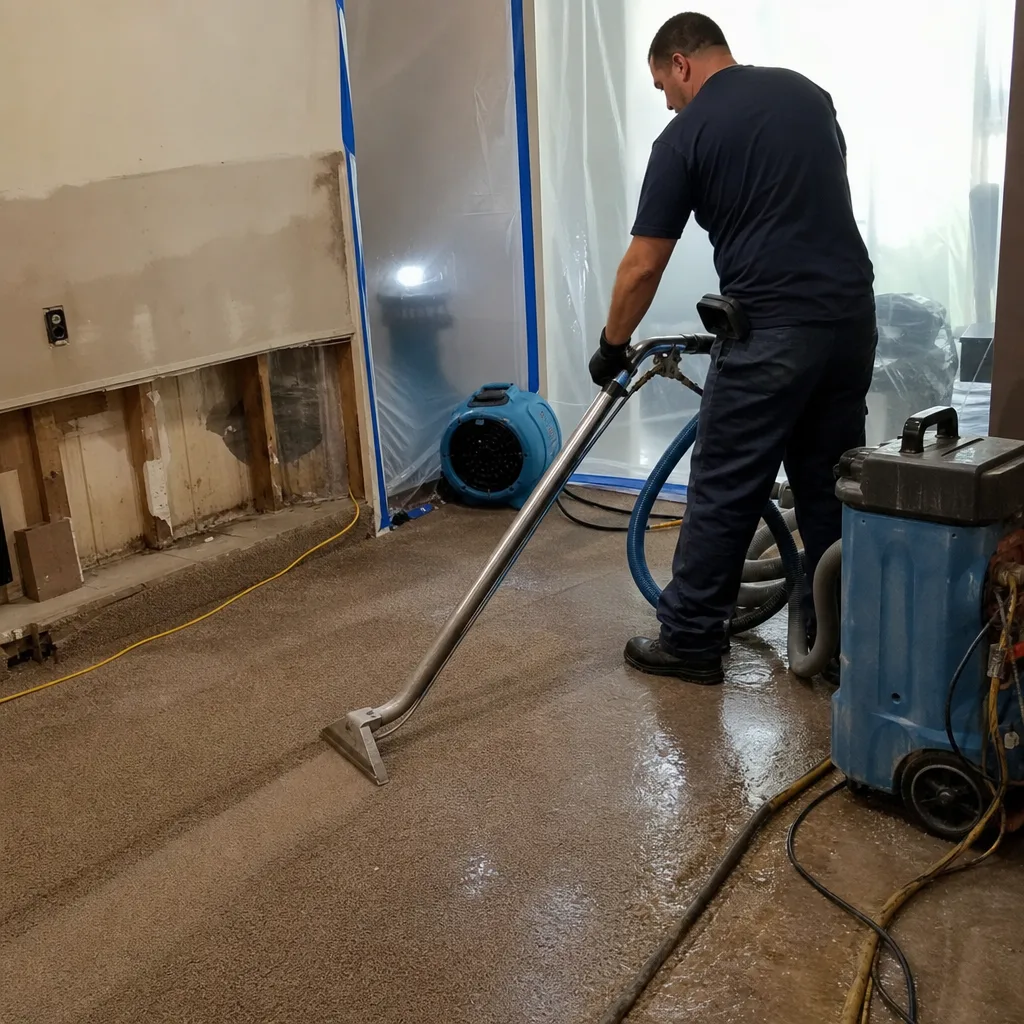
What happens when you call
- 1
A real person answersNo phone trees - you reach a local pro.
- 2
You get an upfront price rangeHonest numbers before anyone is dispatched.
- 3
A background-checked tech heads outLicensed & insured, dispatched right away.
- 4
You approve before work beginsNothing starts until you say go.
BeforeAfterTrusted Equipment We Deploy on Lake San Marcos Fire Jobs
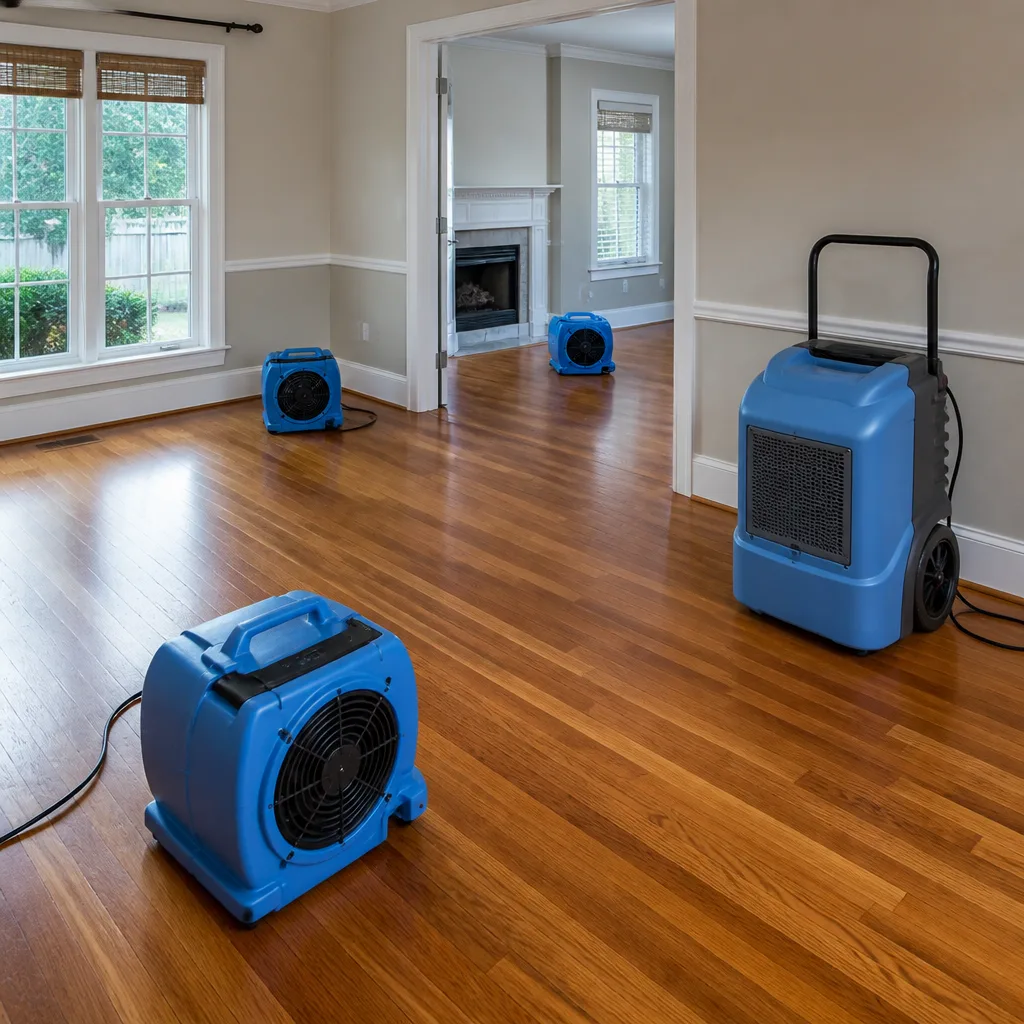
We don’t sell equipment brands; we document what works. On Lake San Marcos fire and smoke jobs, our crews deploy Dri-Eaz and Phoenix dehumidification systems alongside Injectidry cavity drying units and XPOWER air movers. The lake’s ambient humidity means we often run dehumidifiers at higher capacity than baseline San Diego County projects - a standard LGR unit that dries an Escondido structure in 72 hours may need 96+ hours here, or require supplemental desiccant deployment. We log that data daily, in writing, with readings attached to your claim file. Equipment selection is matched to the psychrometric conditions we measure, not guessed from a standard chart.
Common Fire & Smoke Damage Restoration Problems We See in Lake San Marcos Homes
- Missed capillary moisture at slab edges. Crews scope the visible fire damage and leave. In lake-adjacent homes built on 1960s graded fill, block foundations wick moisture continuously. Add suppression water, and you’ve got mold growth in 48-72 hours. We check for active efflorescence - the white mineral deposits that signal water migration through concrete - before writing any scope.
- Under-powered dehumidification for the local microclimate. Standard equipment counts based on inland San Diego baselines fail here. The artificial lake sustains humidity that surrounding valleys don’t match. Our drying logs prove the difference: Lake San Marcos jobs regularly show longer drying curves for equivalent square footage.
- Asbestos-era material mishandling during tear-out. Original textured ceilings and vinyl asbestos floor tiles in 1960s-70s construction require certified abatement. Disturbing them without proper containment creates liability and health exposure. We test before we cut, document the results, and coordinate certified removal when indicated.
- Delayed containment in shared-wall condo units. Smoke and soot travel through common attic spaces and wall cavities faster than visible damage suggests. In Lake San Marcos condominium configurations, we establish negative air containment and seal shared penetrations before beginning any restoration work.
Pricing for Fire & Smoke Damage Restoration in Lake San Marcos, CA
Honest pricing means numbers you can use. In Lake San Marcos, typical fire and smoke damage restoration costs fall in these ranges: emergency board-up and tarping, $800-$1,800; smoke and soot cleanup for a single affected room, $1,200-$2,800; whole-house odor removal and deodorization, $2,500-$5,500; structural fire repair with drywall replacement and finishing, $3,500-$12,000 depending on affected square footage and material class; contents pack-out with full inventory documentation, $1,500-$4,000. Combined fire and moisture mitigation - the most common scope we write here - typically runs $4,500-$9,500.
What moves the price: extent of charred structural members requiring engineered replacement, presence of asbestos-era materials needing certified abatement, moisture damage beyond the fire perimeter, and condo configurations requiring extended containment. Every scope is written, line-itemed, and signed before work begins. Haven Standard, Clause 1. Call (858) 923-4372 for your specific written price - estimates are free, and we offer a Free Second Opinion on any competitor’s written estimate.
We Also Serve Cities Near Lake San Marcos
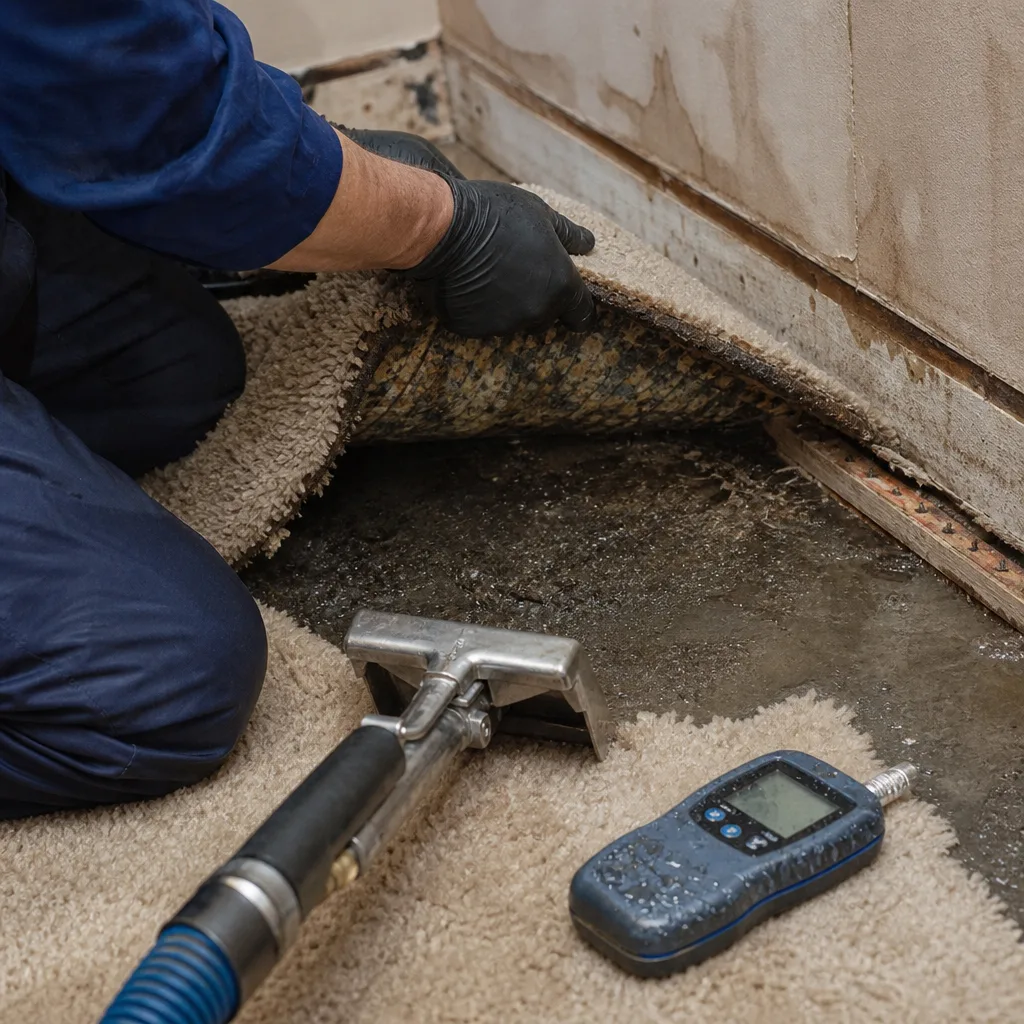
Our crews respond throughout northern San Diego County, including Lake San Marcos, Carlsbad, Encinitas, Vista, and San Marcos. Dispatch and scheduling are coordinated from our regional office, with local crews deployed to each community. The same documentation standards, the same written-price guarantee, the same 365-Day Done Right Promise applies across our entire service area.
Serving Lake San Marcos, CA - Our Local Coverage Area
We’re based in the Lake San Marcos area and know this community well. Use the map below to see our service coverage - if you’re nearby, we can almost certainly help.
FAQs - Fire & Smoke Damage Restoration in Lake San Marcos
Yes, almost always. The 1960s ranch homes along the lake were built with less vapor-resistant envelopes than modern construction, and the lake’s persistent ambient humidity keeps those wall cavities in a chronic moisture condition. Add fire suppression water, and you’ve got a dual-damage scenario that single-focus fire crews regularly miss. We scope for moisture on every Lake San Marcos fire call, document readings with photos, and include drying in the written scope when indicated. Call (858) 923-4372 for a written assessment.
The original construction methods and limited attic ventilation in 1960s-70s Lake San Marcos ranch homes create reservoirs where smoke odor hides - perimeter soffits, unsealed wall cavities, and original HVAC ductwork with fiberglass liner that absorbs odor molecules. Surface cleaning alone won’t reach these reservoirs. Our process includes source removal, cavity treatment with thermal fogging or hydroxyl generation, and HVAC decontamination where the system was active during the fire. We log odor assessment before and after, and we don’t sign off until the homeowner agrees it’s gone.
In Lake San Marcos, faster than the 72-hour baseline most crews use. The lake-driven ambient humidity compresses secondary mold growth timelines to 48 hours or less in structures that were already holding capillary moisture. That’s why our emergency response includes moisture mapping and dehumidifier deployment as standard, not as an add-on once mold appears. Early documentation of pre-existing moisture conditions also protects your insurance position - we photograph efflorescence and elevated readings before any fire-related water is introduced.
Yes. Many Lake San Marcos properties include detached workshops, boat storage, and acreage outbuildings that standard urban restoration crews aren’t equipped to secure. We carry extended-reach ladders, oversized tarp inventory, and temporary fencing for larger perimeters. Every board-up is photo-documented with a written scope for any weatherproofing remaining beyond 72 hours. For gated lakefront associations, we coordinate entry protocols in advance to avoid delays.
We deploy Dri-Eaz and Phoenix dehumidifiers, Injectidry cavity drying systems, and XPOWER air movers - equipment documented to IICRC, RIA, and IFA standards. Brand selection matters less than capacity matching: Lake San Marcos’s elevated ambient humidity regularly requires us to run dehumidifiers longer or at higher capacity than inland San Diego County baselines would suggest. We log equipment type, placement, and daily moisture readings in your drying record, producing the documentation that turns restoration invoices into payable insurance claims.
Written by Alicia Brennan, Owner at Back to Dry Restoration, serving Lake San Marcos and communities across San Diego County since 2011.