
Last updated September 23, 2026
Free visual inspection and a written scope of work before any mitigation begins - photos, moisture readings, and drying logs go in your claim file
The scope we write is the scope we bill. Anything new gets shown to you, in writing, before we touch it.


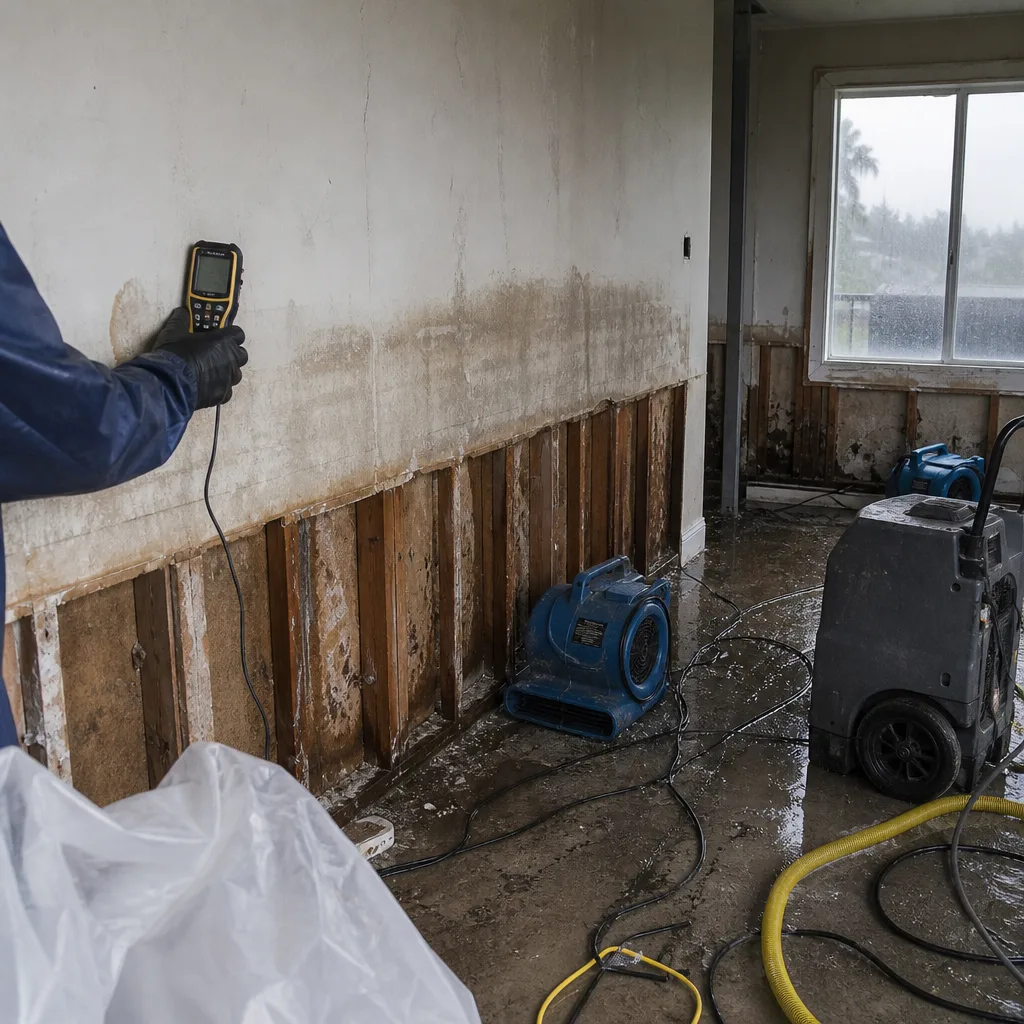 Before
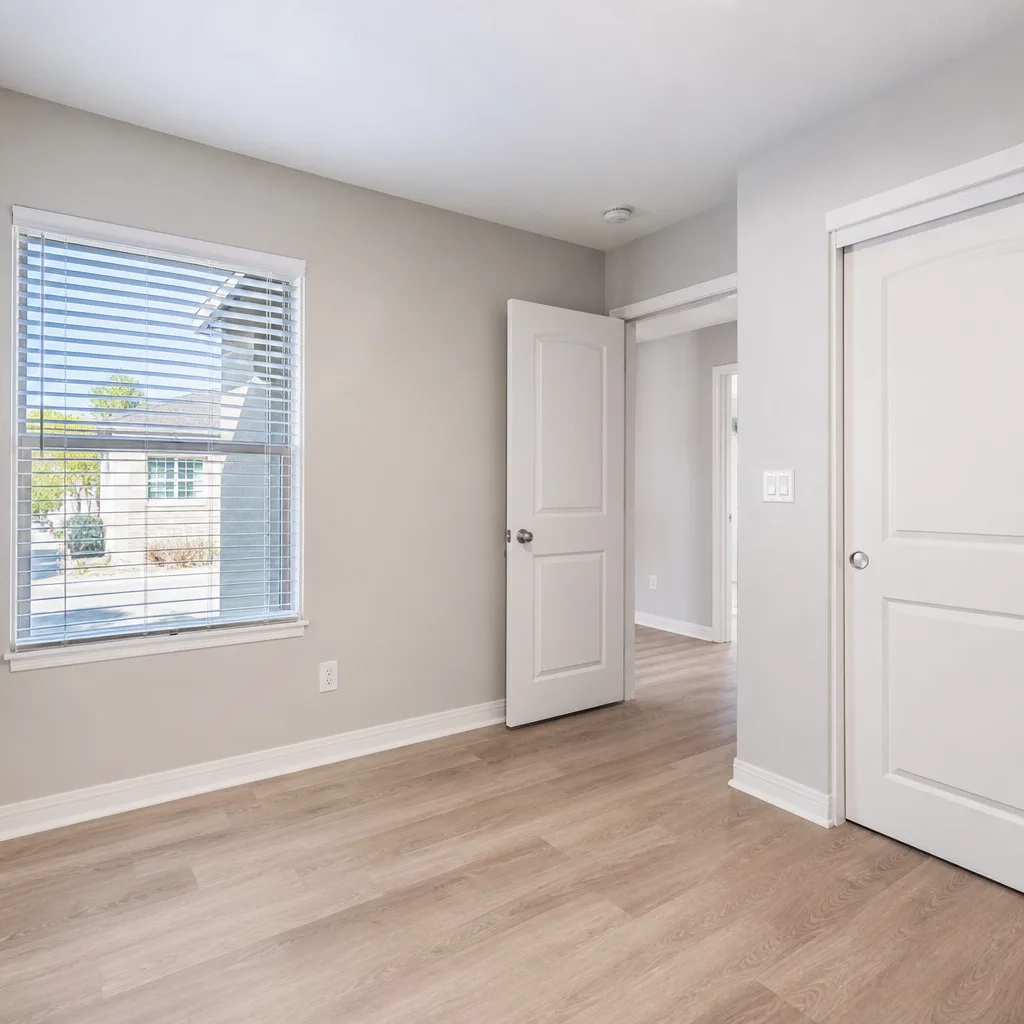 After
After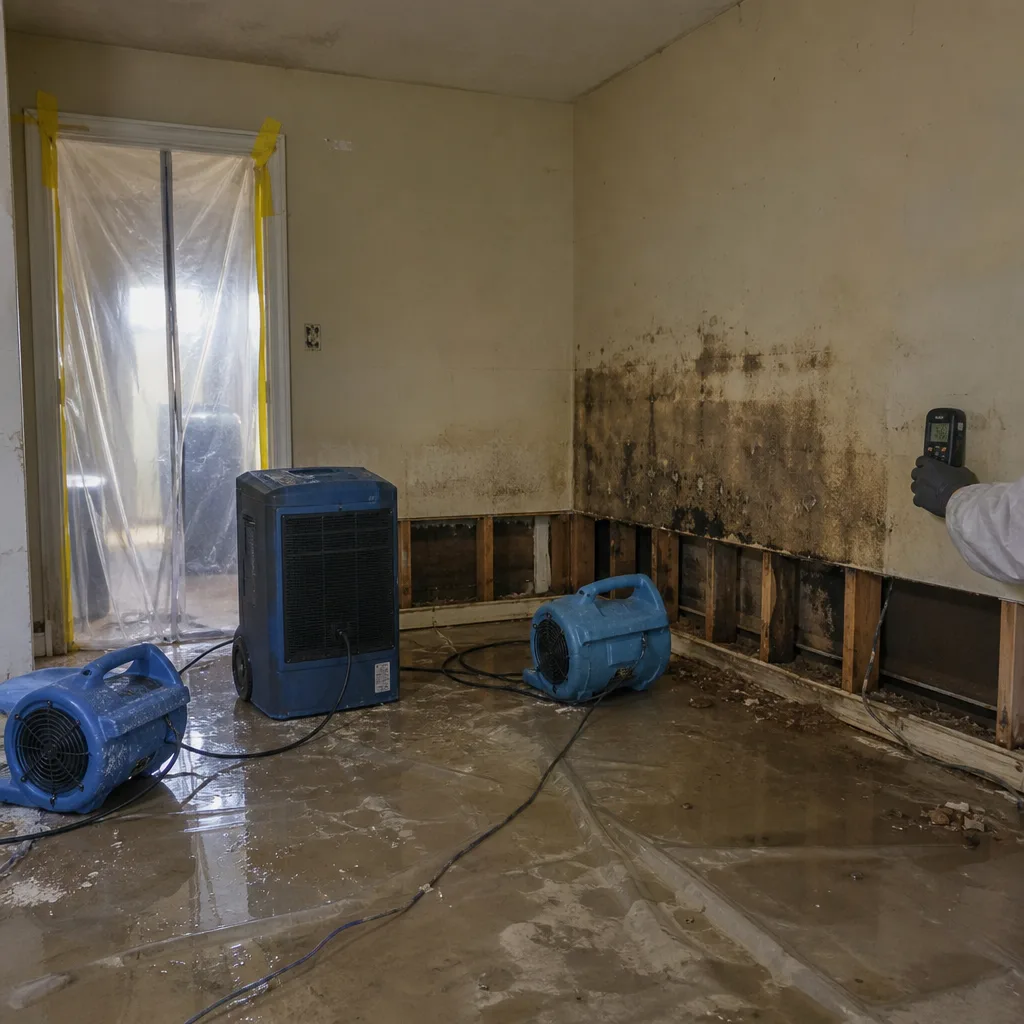 Before
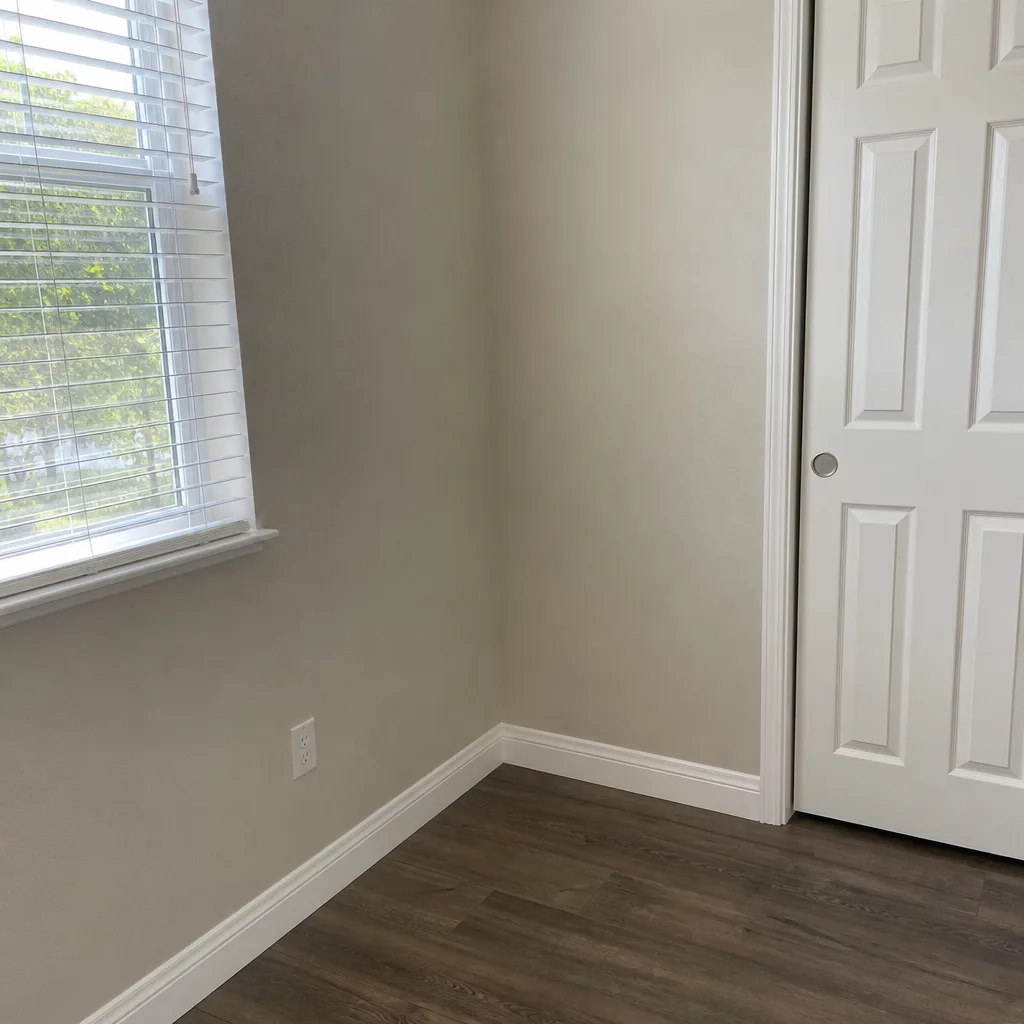 After
After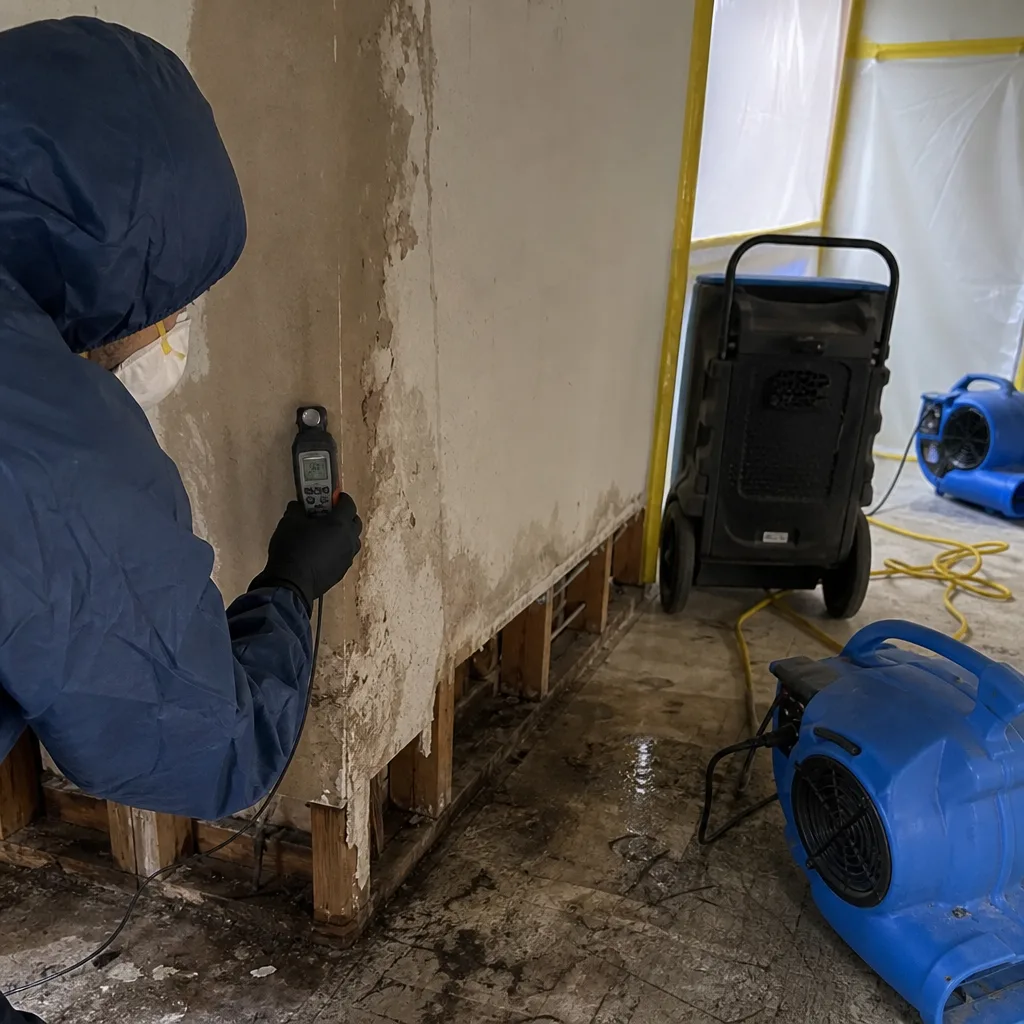 Before
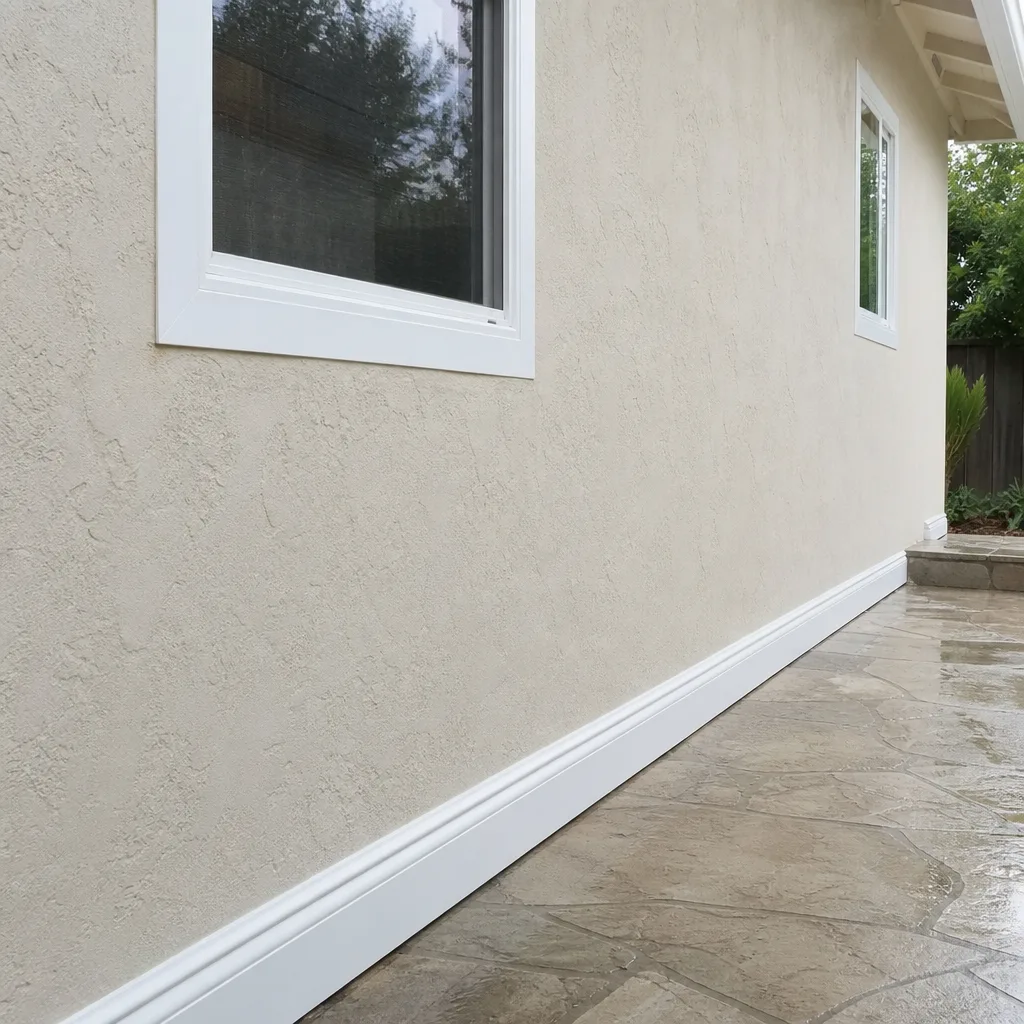 After
AfterSeasonal Damage Restoration Care for Carlsbad: Year-Round Homeowner’s Guide
Carlsbad’s October-November window is the single highest-risk period for water intrusion in North County San Diego. The first rains hit roofing and siding that spent six months drying and cracking under UV exposure and Santa Ana winds, yet most homeowners do nothing because “it hasn’t rained yet.” In our experience at DryMark Restoration Carlsbad, the majority of the 12,000+ homes we’ve restored since 2011 suffered damage that was preventable with a transition-focused maintenance schedule. This guide structures care around Carlsbad’s actual climate transitions - marine layer season, Santa Ana wind events, and the narrow winter rain window - rather than arbitrary calendar quarters.
Quick Answer
Seasonal damage restoration care in Carlsbad means preparing for three distinct climate transitions: pre-Santa Ana inspections in August-October to seal shrinkage cracks before dry winds worsen them; pre-rain inspections in October-November to clear drainage and document roof conditions; and marine layer monitoring from May-August to catch elevated humidity in west-facing wall assemblies before mold initiates. A property-specific seasonal log that records moisture readings, photos, and material conditions creates both a maintenance baseline and pre-loss documentation that simplifies any future insurance claim.
Table of Contents
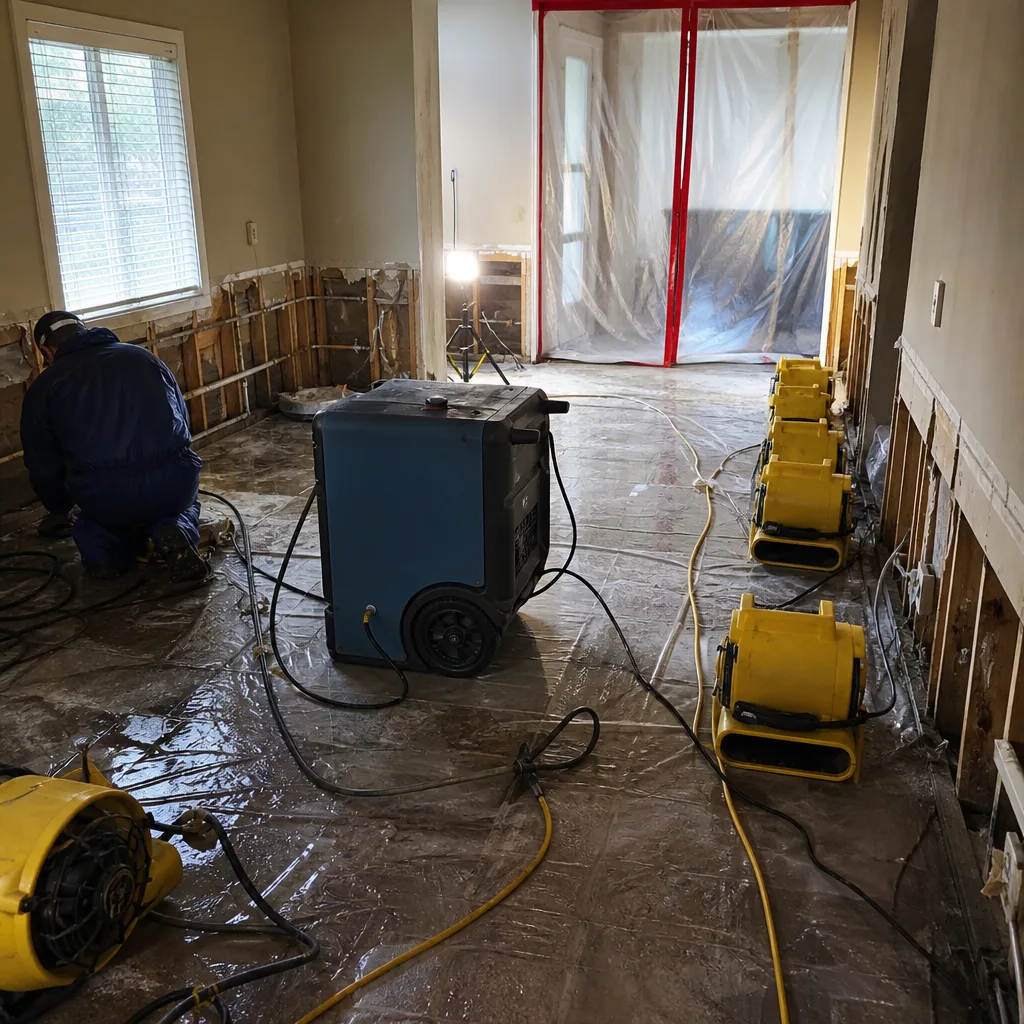
- Pre-Santa Ana Wind Inspection Checklist: August-October
- Pre-Rain-Season Inspection Checklist: October-November
- Marine Layer Season Protocols: May-August
- Post-Rain Inspection Steps After the First Storm
- Building a Property-Specific Seasonal Log
- Carlsbad Neighborhood-Specific Risk Factors
- Common Mistakes to Avoid
- When to Call a Professional
- Frequently Asked Questions
BeforeAfterPre-Santa Ana Wind Inspection Checklist: August-October
The Santa Ana wind cycle is Carlsbad’s most underappreciated damage mechanism. These hot, dry northeasterly winds - typically September through November, with occasional August events - drop relative humidity into the teens and drive moisture content in wood framing below equilibrium. Materials shrink. Sealants lose elasticity. Stucco develops hairline cracks that seem cosmetic until the first rain.
We’ve documented this pattern repeatedly in Carlsbad homes, particularly in La Costa Valley and the hills above El Camino Real where wind exposure is highest. The critical window is the six to eight weeks before the first significant rain, when shrinkage is at maximum but homeowners haven’t yet shifted into “rain season” mindset.
What to Inspect Before Santa Ana Season Peaks
- Roof penetrations: Check pipe boots, vent flashings, and chimney saddles for cracked sealant or lifted edges. The butyl rubber gaskets on pipe boots harden and shrink in sustained dry heat. Look for daylight around penetrations from the attic side, and photograph any gaps with a date stamp.
- Stucco cracks: Map hairline cracks wider than 1/16 inch, especially at stress points - window corners, door headers, wall-to-foundation transitions. Mark each with painter’s tape and a reference measurement. If the crack widens by more than 1/32 inch during Santa Ana season, it has active movement and needs professional evaluation.
- Window and door seals: Test operable windows for air infiltration on a windy day. The foam backer rod and caulk joint between frame and stucco is a common failure point; dried caulk pulls away from one substrate, creating a capillary channel.
- Exterior hose bibs and irrigation: Freeze-proof hose bibs in Carlsbad rarely freeze, but the vacuum breakers crack from UV and thermal cycling. A cracked vacuum breaker won’t show until pressure testing, but it will spray inside wall cavities when the valve opens.
- Attic ventilation balance: Santa Ana winds can pressurize attics if intake vents are blocked or exhaust vents are damaged. Check soffit vents for insulation blockage and turbine vents for free rotation. An overheated attic in September accelerates shingle degradation before winter rains arrive.
Document everything with dated photos. The format matters: wide shot establishing location, medium shot showing the defect in context, close-up with a measurement reference. This is the same photo documentation standard we apply on every water damage restoration in Carlsbad - because it’s the format adjusters recognize and trust.
Pre-Rain-Season Inspection Checklist: October-November
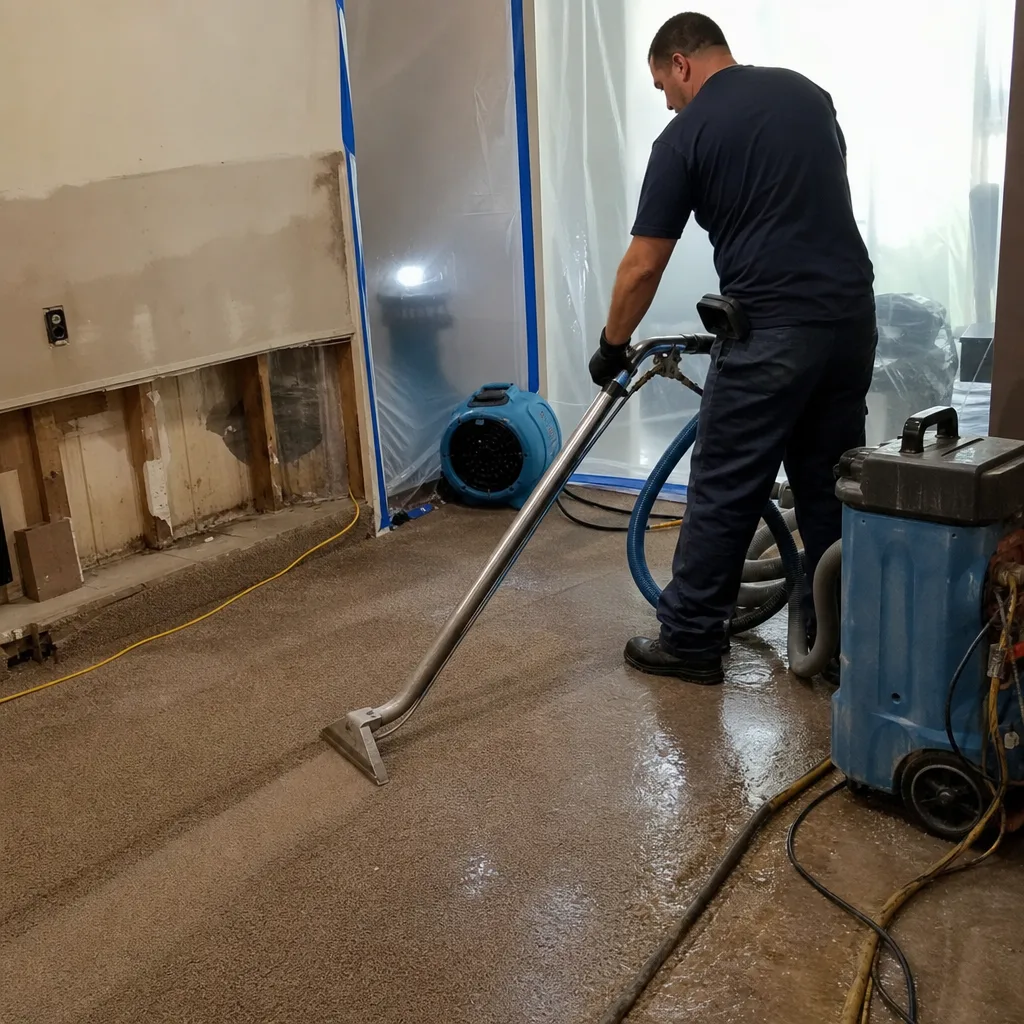
Carlsbad’s rain season is short and intense when it arrives. The median first measurable rainfall occurs in early November, but October storms are increasingly common. The critical insight: your drainage system has not been pressure-tested in six months. Debris accumulation, slope settlement, and downspout disconnections develop invisibly during the dry season.
The water damage restoration calls we field in November and December follow a predictable pattern - roof leaks at points that failed during the first storm, and foundation flooding from overwhelmed drainage. Both are detectable in October.
Gutter and Downspout Protocol
- Clear all gutters to free flow. Test with a hose at the highest point; water should reach the downspout within seconds, not pool or overflow. In Carlsbad’s eucalyptus-heavy neighborhoods like Olde Carlsbad, leaf accumulation accelerates after the first wind event.
- Verify gutter slope with a level. Gutters should slope 1/4 inch per 10 feet toward the downspout. Sagging gutters - common where hangers have pulled from fascia - create standing water that overflows during intense rainfall.
- Trace every downspout to termination. Underground drains in Carlsbad developments from the 1980s and 1990s are frequently crushed by root intrusion or settled soil. A hose test at the downspout inlet should produce visible outflow at the street or designated drainage point within 60 seconds.
- Measure splash block effectiveness. Water must discharge at least 6 feet from foundation on Carlsbad’s clay-dominant soils. Shorter distances create hydrostatic pressure against stem walls.
Roof and Exterior Water Barrier
- From the ground, scan the roof plane for missing, lifted, or damaged shingles using binoculars. Pay particular attention to the south and west exposures that took maximum UV load through summer.
- Inspect valleys and cricket assemblies for debris accumulation that will dam water during intense rainfall. Carlsbad’s brief, heavy storms overwhelm valleys more than sustained drizzle would.
- Check the condition of step flashing where roof planes intersect walls. The exposed leg should sit flat against the wall; if it’s lifted or corroded, water will enter the wall cavity.
- Test exterior electrical outlets, light fixtures, and HVAC disconnects for gasket integrity. These are common intrusion points that are missed because they’re not obviously “roof” leaks.
Record your findings in a format an adjuster would expect: date, weather conditions at time of inspection, specific locations by room or exterior reference, measurements, and photos with timestamps. This documentation becomes powerful pre-loss evidence if a claim follows. Haven Standard, Clause 1: a written price before work begins - but pre-loss documentation is what makes that price defensible to your insurer.
Marine Layer Season Protocols: May-August
Carlsbad’s marine layer season is not benign. From May through August, sustained onshore flow brings overnight relative humidity above 80% to west-facing properties, particularly in neighborhoods below 100 feet elevation - the Village, Carlsbad Village Drive corridor, and oceanfront sections of La Costa. Wall assemblies that dry in winter can accumulate moisture through summer if vapor drive and ventilation are mismanaged.
We’ve responded to mold remediation calls in Carlsbad where the trigger was not a leak but sustained summer humidity in a wall cavity with inadequate drying potential. The threshold for concern: when interior surface temperatures drop below the dew point of infiltrating air, condensation occurs inside the assembly.
Monthly Monitoring for West-Facing Properties
| Location | What to Measure | Action Threshold | Tool |
|---|---|---|---|
| Exterior sheathing, north side of west-facing walls | Wood moisture content | Above 16% MC | Pin-type moisture meter |
| Interior drywall, same walls | Surface temperature vs. dew point | Surface temp within 3°F of dew point | Infrared thermometer + psychrometric calculator |
| Crawl space or raised floor perimeter | Relative humidity | Sustained above 70% RH | Digital hygrometer with data logging |
| Attic, west quadrant | Air temperature and RH | Below outdoor ambient by more than 10°F with RH above 65% | Thermo-hygrometer |
Psychrometric data - temperature, relative humidity, and vapor pressure differential - sounds technical, but the application is simple. Vapor pressure differential is the force that drives moisture through materials. When outdoor vapor pressure exceeds indoor vapor pressure, moisture moves inward. In Carlsbad’s marine layer season, that differential can persist for weeks on west-facing walls with sun-shielding landscaping or adjacent structures.
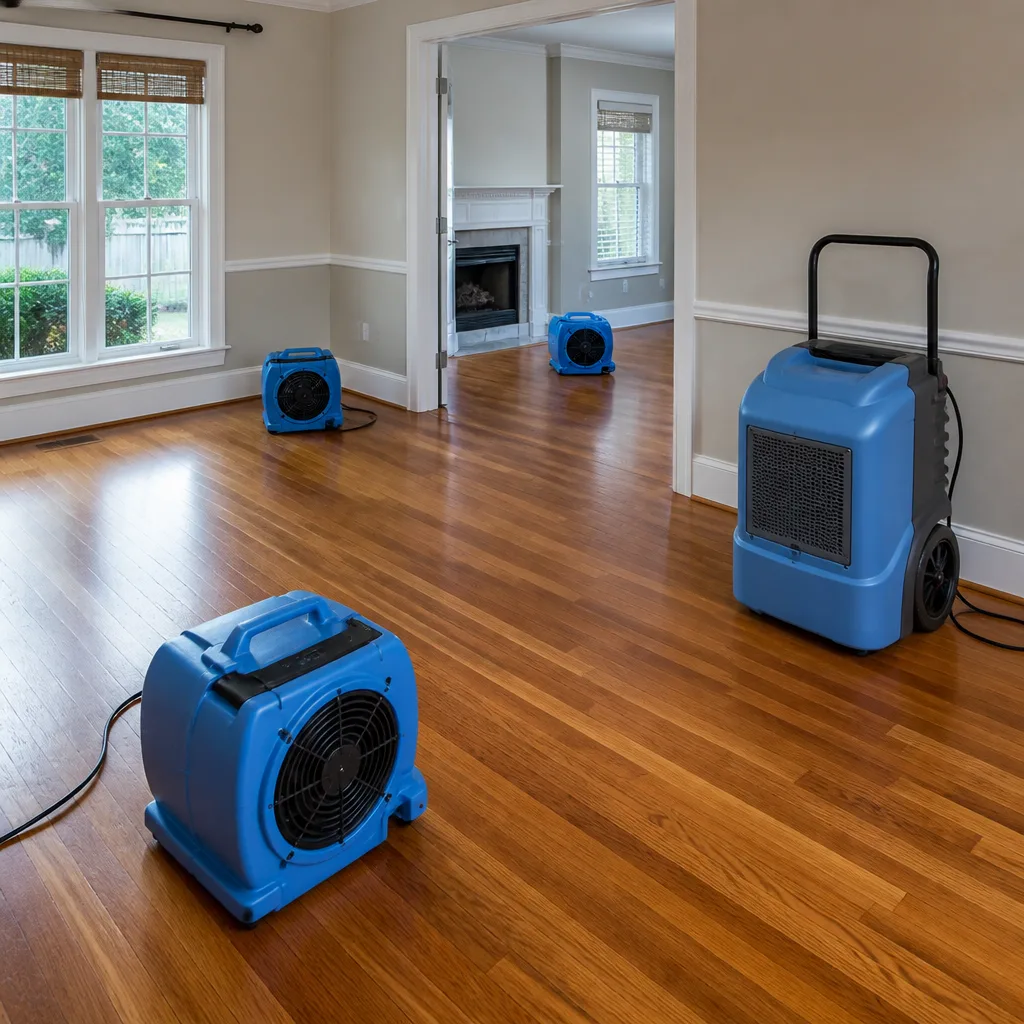
If your monitoring shows sustained elevated moisture, the response is not panic but controlled drying. Increase ventilation - not air conditioning alone, which can overcool surfaces and worsen condensation. Consider a dehumidification strategy for enclosed spaces. Professional-grade drying systems from XPOWER and B-Air, deployed with IICRC-documented protocols, can establish controlled drying without the disruption of demolition. The key is early intervention before mold initiates.
Post-Rain Inspection Steps After the First Storm
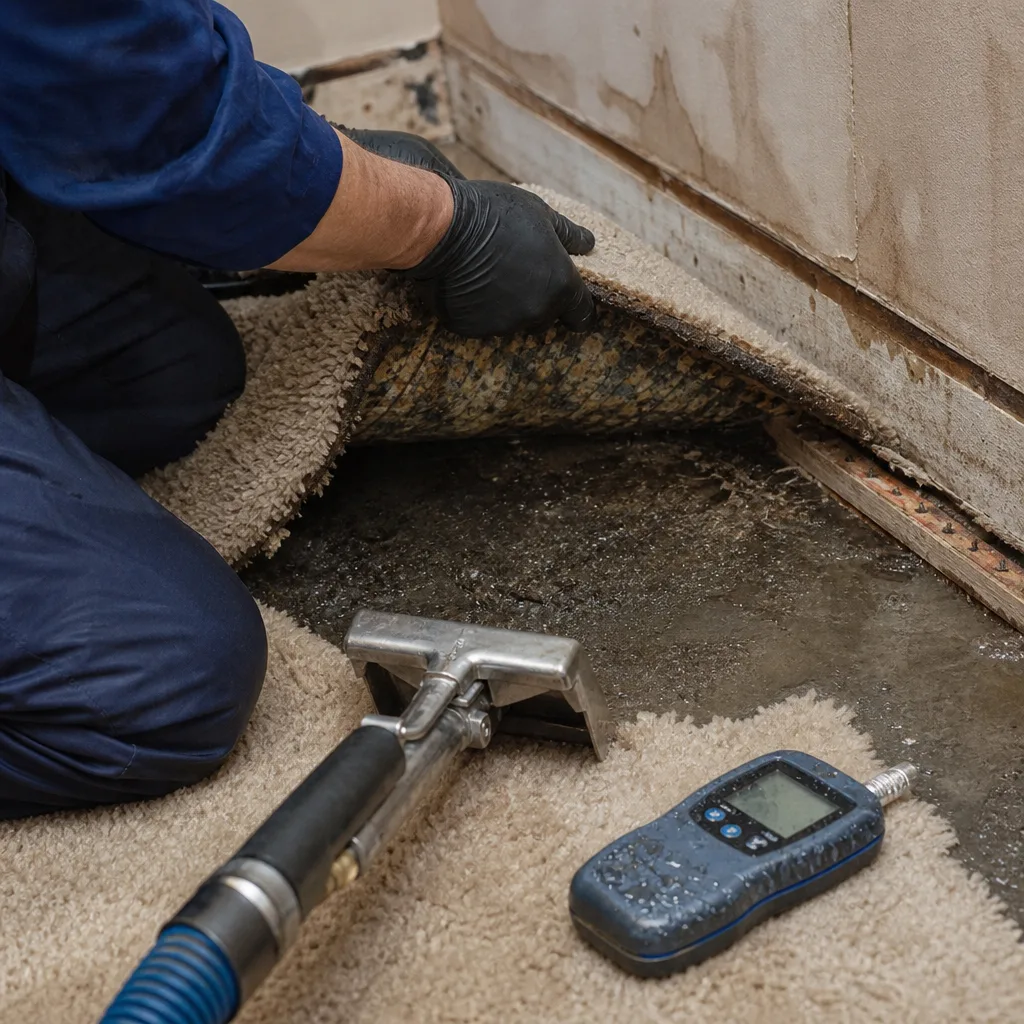
The first storm of Carlsbad’s season is a diagnostic event. How your property performs under that initial test predicts how it will handle the winter. The critical window is 48 hours after rainfall ends - the period that separates manageable moisture from mold initiation at typical Carlsbad temperatures of 55-65°F.
At these temperatures, mold colonization on cellulose materials begins at approximately 48-72 hours of sustained moisture content above 20%. The goal of post-storm inspection is to identify and dry wet materials within that window.
48-Hour Inspection Protocol
- Interior perimeter walk: Check all ceilings and walls for new stains, bubbling paint, or drywall softening. Pay particular attention to rooms below roof valleys, chimneys, and wall penetrations. Press gently on suspected areas; soft drywall indicates saturated gypsum core.
- Attic inspection: Look for wet insulation, stained sheathing, or active dripping. Use a flashlight to trace any wetness to its highest point - water travels before it drips. Photograph the trail.
- Exterior drainage verification: Confirm all downspouts discharged properly and no water ponded against the foundation. Check window wells and areaway drains for accumulation.
- Garage and exterior storage: These spaces often have less conditioned air and slower drying. Cardboard boxes on concrete slabs are particularly susceptible - the slab wicks moisture, and cardboard holds it against contents.
- Moisture meter readings: Take pin-meter readings at any suspected location. Document the reading, location, and time. Normal drywall in Carlsbad’s dry season reads 8-12%; readings above 15% after 48 hours indicate incomplete drying.
If readings remain elevated or you find active dripping, the drying timeline has likely exceeded the safe window. This is when professional intervention with documented drying logs becomes essential. Our water damage restoration teams in Carlsbad deploy Injectidry systems for wall cavity drying and establish daily moisture logs that track psychrometric conditions until materials return to dry standard. These logs are submitted with the invoice, turning restoration charges into documented, payable claims.
Building a Property-Specific Seasonal Log
The most valuable tool in seasonal damage prevention is not a checklist but a log - a running record that establishes your property’s baseline and detects deviation. This log serves two purposes: maintenance optimization and pre-loss documentation. If a claim follows, the log demonstrates prior condition and due diligence, simplifying insurer negotiations.
Log Structure
Create a single document, digital or physical, with these sections:
- Property baseline: Year built, original construction type, major renovations with dates, roofing material and installation date, HVAC system type and capacity. In Carlsbad, know whether your stucco is traditional three-coat or synthetic EIFS - the failure modes differ significantly.
- Seasonal inspection records: Date, inspector name, weather conditions, findings with photos, measurements, and any corrective actions taken. Cross-reference photos by date and location.
- Moisture reading history: A table of meter readings by location, with dates. This reveals trends invisible in single-point measurements. A west-facing wall that reads 10% MC in January, 14% in May, and 18% in August has a marine layer vulnerability.
- Maintenance and repair log: Date, contractor, scope, cost, and warranty documentation. Include permit numbers for work requiring Carlsbad building department approval.
- Insurance correspondence: Policy numbers, coverage confirmations, adjuster contacts, and claim history.
Store the log in cloud-backed format with photo archives. After significant weather events, update immediately while observations are fresh. The discipline of this record is what transforms a homeowner from a passive risk-bearer into an active risk manager.
At DryMark Restoration Carlsbad, we’ve seen this documentation determine claim outcomes. A homeowner with a two-year moisture log showing stable baseline readings, followed by a sudden spike after a specific storm, has a straightforward claim. A homeowner with no records faces skepticism about whether damage is sudden and accidental or long-term maintenance neglect.
Carlsbad Neighborhood-Specific Risk Factors
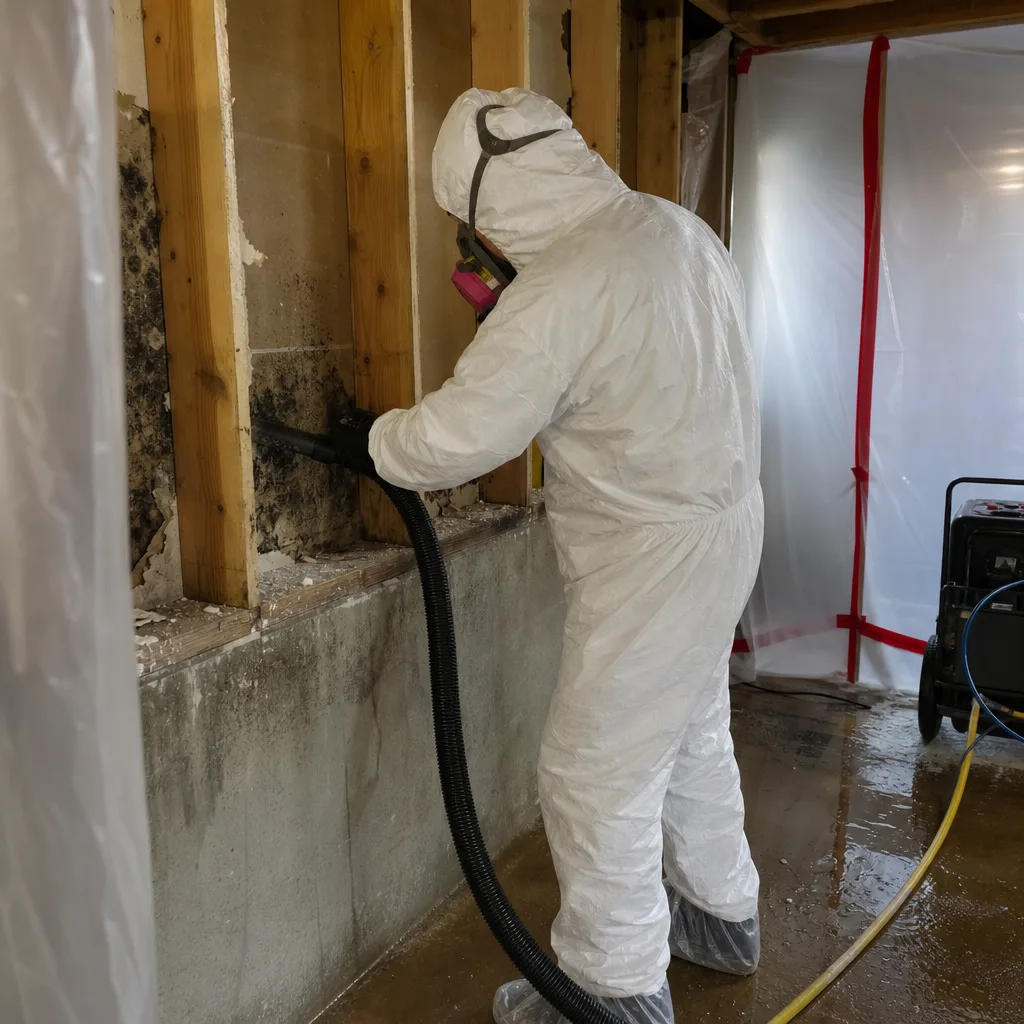
Carlsbad’s geography creates microclimates with distinct risk profiles. A maintenance schedule appropriate for La Costa Ridge is insufficient for the Village, and vice versa.
La Costa Valley and La Costa Ridge: Elevated exposure to Santa Ana winds, with higher wind speeds and longer duration events. Stucco cracking and roof uplift are primary concerns. Homes built in the 1990s-2000s often have tile roofs with mortar-set flashings that degrade from thermal cycling. Pre-Santa Ana inspection is critical here.
Olde Carlsbad (Village area): Older construction, often 1950s-1970s, with original or minimally updated infrastructure. Galvanized plumbing, ungrounded electrical, and minimal insulation are common. Marine layer penetration is intense due to proximity and lower elevation. Foundation moisture from failed perimeter drains is a recurring pattern we’ve documented.
Carlsbad Ranch and Bressi Ranch: Newer construction with modern water barriers, but dense landscaping creates irrigation-related moisture. Sprinkler overspray against stucco is a primary cause of exterior wall saturation. The 2010s building boom also produced some rapid construction with flashing details that fail prematurely.
Tamarack Beach and oceanfront: Salt air corrosion of metal components - flashings, fasteners, HVAC condensers - accelerates failure. Marine layer duration is longest here. Stainless steel or copper components are essential; galvanized or standard steel has shortened service life.
Calavera Hills and eastern Carlsbad: Wildland-urban interface exposure with fire risk, but also unique drainage challenges from hillside runoff. Properties on slopes require engineered drainage that demands annual verification; standard gutter maintenance is insufficient.
Common Mistakes to Avoid
- Waiting for visible water before acting. By the time water stains appear on drywall, the damage behind it is extensive. In Carlsbad’s stucco construction, water can travel laterally within the drainage plane for weeks before interior signs emerge.
- Treating all cracks as cosmetic. Hairline stucco cracks in August are often shrinkage; the same cracks in November may be leak paths. The seasonal context determines significance, not the crack width alone.
- Ignoring the marine layer. Carlsbad homeowners focus on rain season and neglect summer humidity. We’ve performed mold remediation in Carlsbad where the source was six weeks of elevated RH in a poorly ventilated bathroom wall, with no plumbing leak at all.
- DIY roof access without fall protection. Carlsbad’s tile roofs are particularly hazardous; the tiles break underfoot and the underlayment offers no secure footing. Falls from single-story roofs cause serious injury. Use binoculars from ground level or hire a roofer with proper equipment.
- Documenting findings verbally or from memory. “I checked the gutters” is not documentation. “Gutters cleared 10/15, free flow verified with hose at northeast downspout, photo 2024-10-15-NE-01” is documentation that supports a claim.
- Assuming new construction is maintenance-free. Carlsbad’s 2015-2025 construction boom produced homes that passed inspection but have flashing details compromised by subcontractor scheduling pressure. We’ve found defects in five-year-old homes that should have been caught at final walkthrough.
- Neglecting to update insurance documentation after improvements. A seasonal log that includes renovation records ensures coverage limits reflect current replacement cost. Underinsurance is common in Carlsbad’s appreciating market.
When to Call a Professional
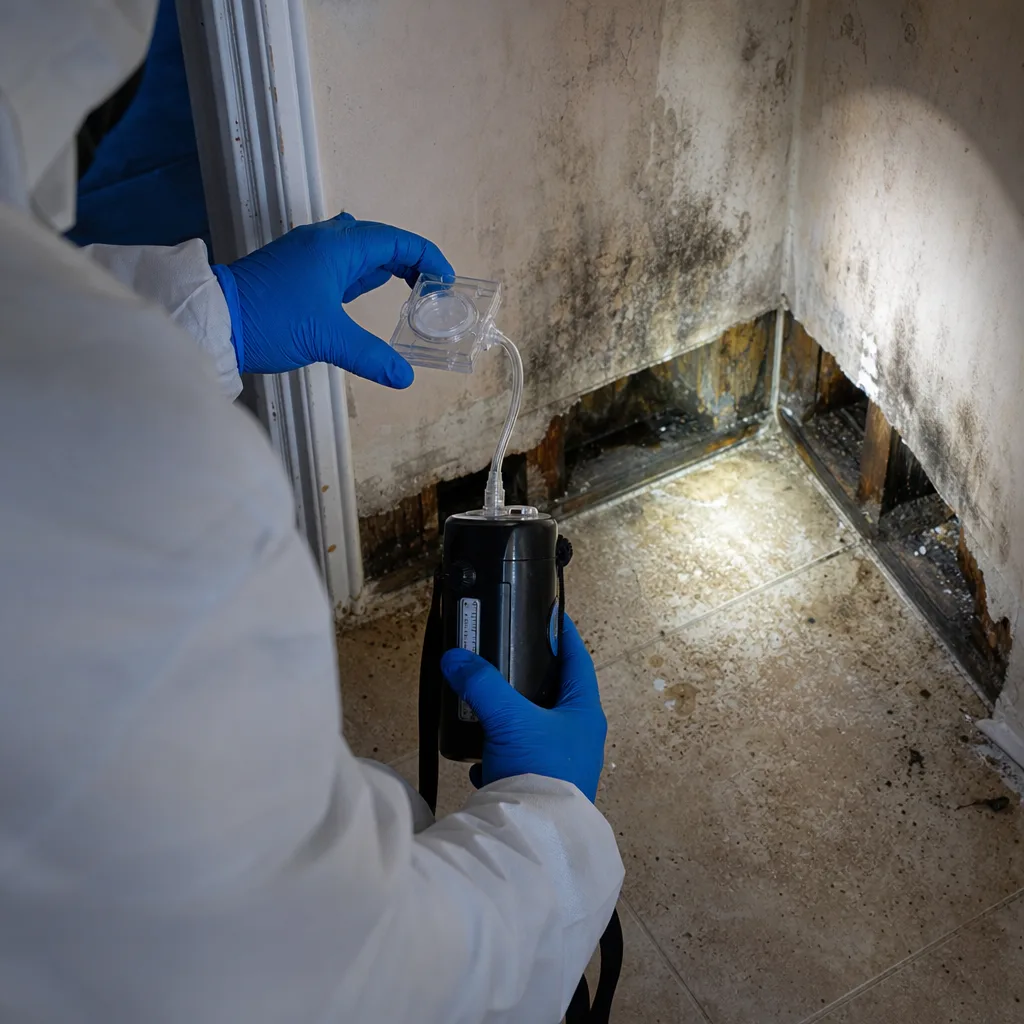
Some conditions exceed homeowner capability and require documented professional assessment. Call for evaluation when: moisture meter readings remain above 15% after 48 hours of apparent drying; you find mold growth of any size - disturbance without containment spreads spores; roof leaks involve multiple locations or you cannot trace the source; sewage backup or gray water intrusion occurs - this requires IICRC Category 2 or 3 protocol, not conventional drying; or fire or smoke damage affects HVAC systems, where residue circulates throughout the structure.
DryMark Restoration Carlsbad offers free estimates in Carlsbad. Our assessments include written scope and pricing before any work begins - Haven Standard, Clause 1 - with photo documentation that integrates with your seasonal log. For emergency response or to schedule an evaluation, call (858) 923-4372. Live person answers, 24 hours a day, 7 days a week.
Frequently Asked Questions
A professional seasonal inspection for a typical Carlsbad single-family home ranges from $250-$450, depending on property size and access complexity. This typically includes roof assessment with drone or pole-mounted camera, moisture mapping of suspect areas, gutter and drainage evaluation, and a written report with photo documentation. At DryMark Restoration Carlsbad, we apply this inspection fee toward any restoration work if conditions are found that require professional intervention. Call (858) 923-4372 for exact pricing for your property - estimates are free.
Standard homeowners policies in California cover sudden and accidental water damage, not damage from maintenance neglect. However, “neglect” is determined by documentation, not assumption. A homeowner with dated inspection records showing due diligence has a significantly stronger position than one with no records. Your seasonal log is evidence of reasonable care. For damage that does qualify, our photo-documented assessments and direct adjuster coordination streamline the claim process. Call (858) 923-4372 to discuss your specific situation.
For active water intrusion, DryMark Restoration Carlsbad dispatches within 60-90 minutes during normal coverage hours, with live phone coverage 24 hours a day, 7 days a week. Response time depends on current call volume and your location within Carlsbad - properties in La Costa or Calavera Hills typically see faster arrival than those in eastern areas during peak traffic. For non-emergency assessments, we schedule within 24-48 hours. The critical factor is not our speed but your documentation; a well-documented call with photos and moisture readings gets priority dispatch and faster resolution.
Visible mold on a hard surface smaller than 10 square feet can sometimes be addressed with appropriate cleaning and moisture control. However, in Carlsbad’s stucco construction, visible mold often indicates concealed growth within wall cavities. Disturbing surface mold without containment releases spores into occupied space. Professional assessment with air sampling and cavity inspection determines actual extent. Our mold remediation in Carlsbad includes written scope, containment verification, and post-remediation clearance testing - documentation that protects property value and supports disclosure requirements. Call (858) 923-4372 for evaluation.
At DryMark Restoration Carlsbad, we coordinate directly with your adjuster as part of standard service. This includes: photo documentation in adjuster-recognized format; daily drying logs with psychrometric data; written scope with line-item pricing before work begins; and invoice submission with supporting documentation. Our origin as a company founded by a former claims adjuster means we understand what documentation turns an invoice into a payable claim. You remain the policyholder and final decision-maker, but you do not manage adjuster communication alone.
Carlsbad’s specific risk is transition intensity, not average conditions. The shift from six months of UV and Santa Ana dryness to concentrated winter rainfall creates a “shock loading” effect on materials. Coastal Oceanside has similar marine layer exposure but less Santa Ana intensity. Inland Escondido has Santa Ana exposure but minimal marine layer. Carlsbad experiences both, plus a narrow, intense rain window. Maintenance schedules must address these transitions specifically - generic quarterly checklists miss the highest-risk periods.
The Bottom Line
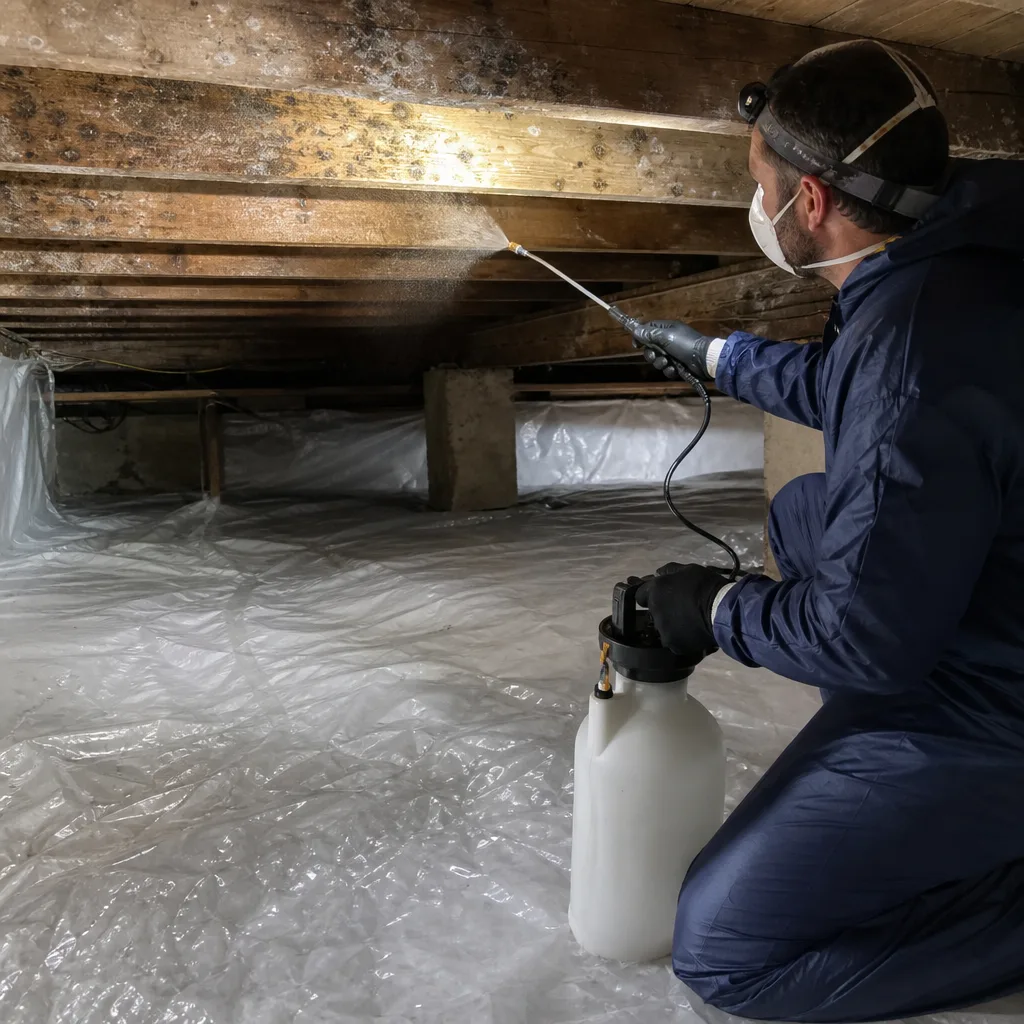
Seasonal damage restoration care in Carlsbad is not about more frequent maintenance; it’s about correctly timed maintenance aligned with actual climate transitions. The August-October pre-Santa Ana inspection prevents the shrinkage cracks that become November leaks. The October-November drainage verification ensures the first storm tests a prepared system, not a neglected one. The May-August marine layer monitoring catches humidity accumulation before mold initiates. And the property-specific seasonal log transforms routine maintenance into documented asset protection. The homeowners who fare best after damage are not those who spent the most on prevention, but those who can prove what they did and when. Documentation is the restoration that happens before the loss.
Written by Alicia Brennan, Owner at DryMark Restoration Carlsbad, serving Carlsbad since 2011.