
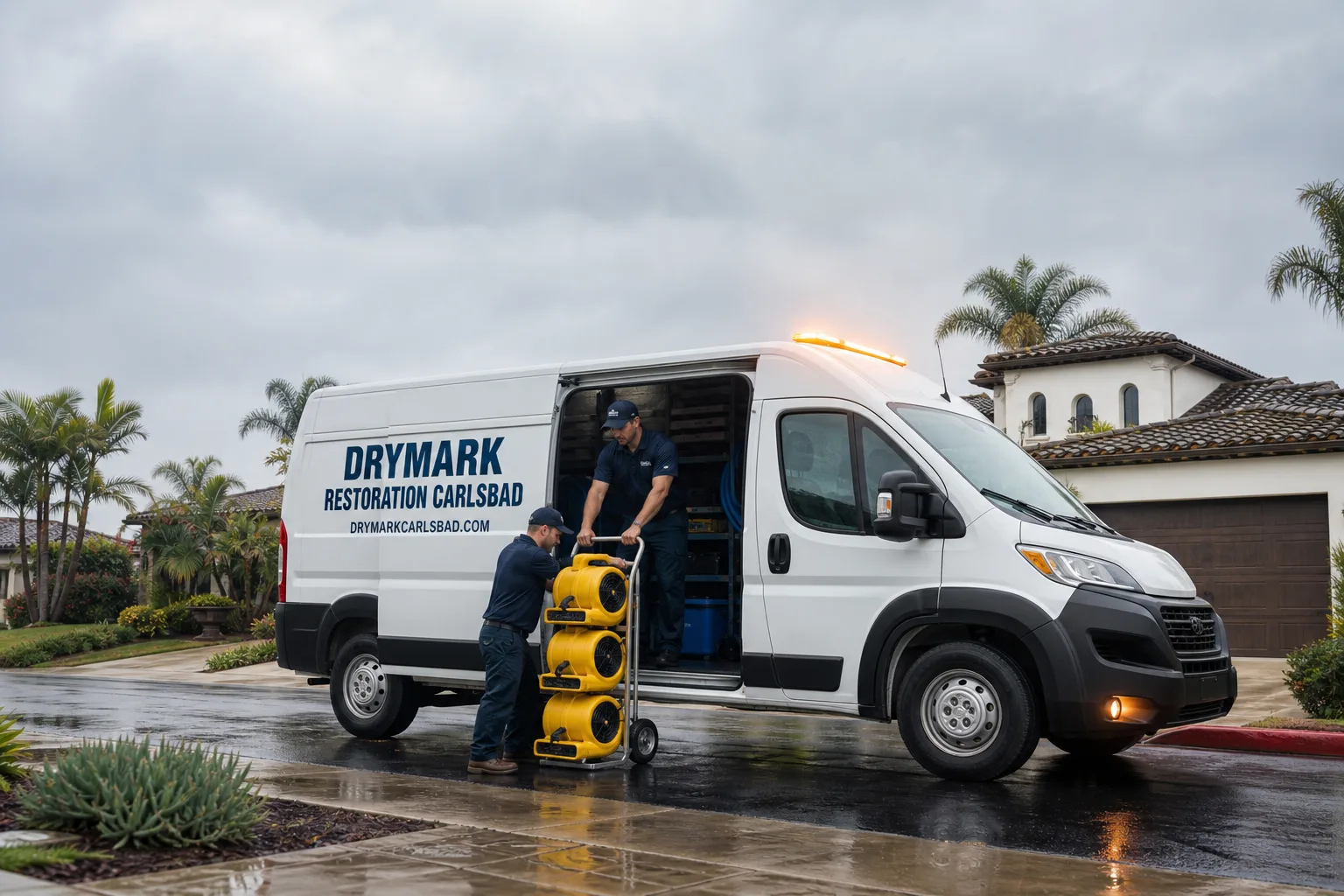
Free visual inspection and a written scope of work before any mitigation begins - photos, moisture readings, and drying logs go in your claim file
The scope we write is the scope we bill. Anything new gets shown to you, in writing, before we touch it.
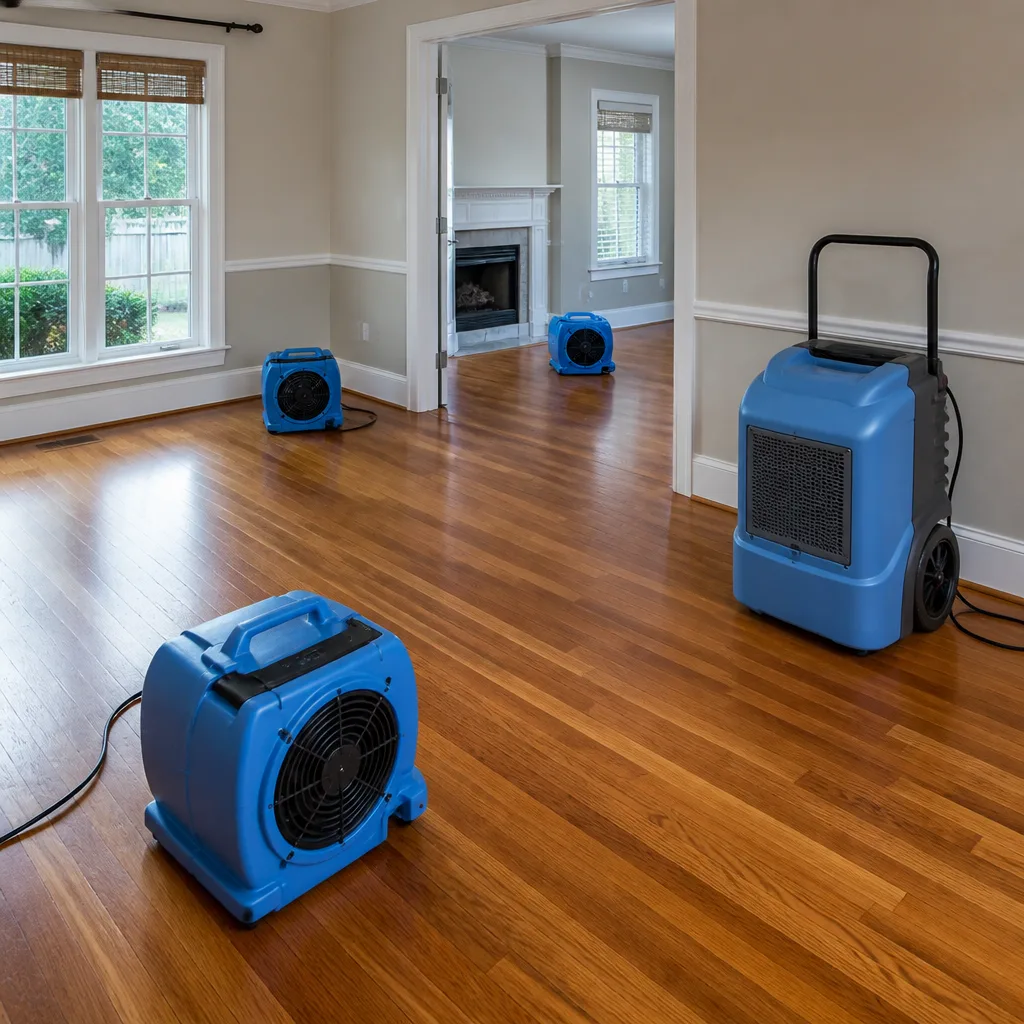
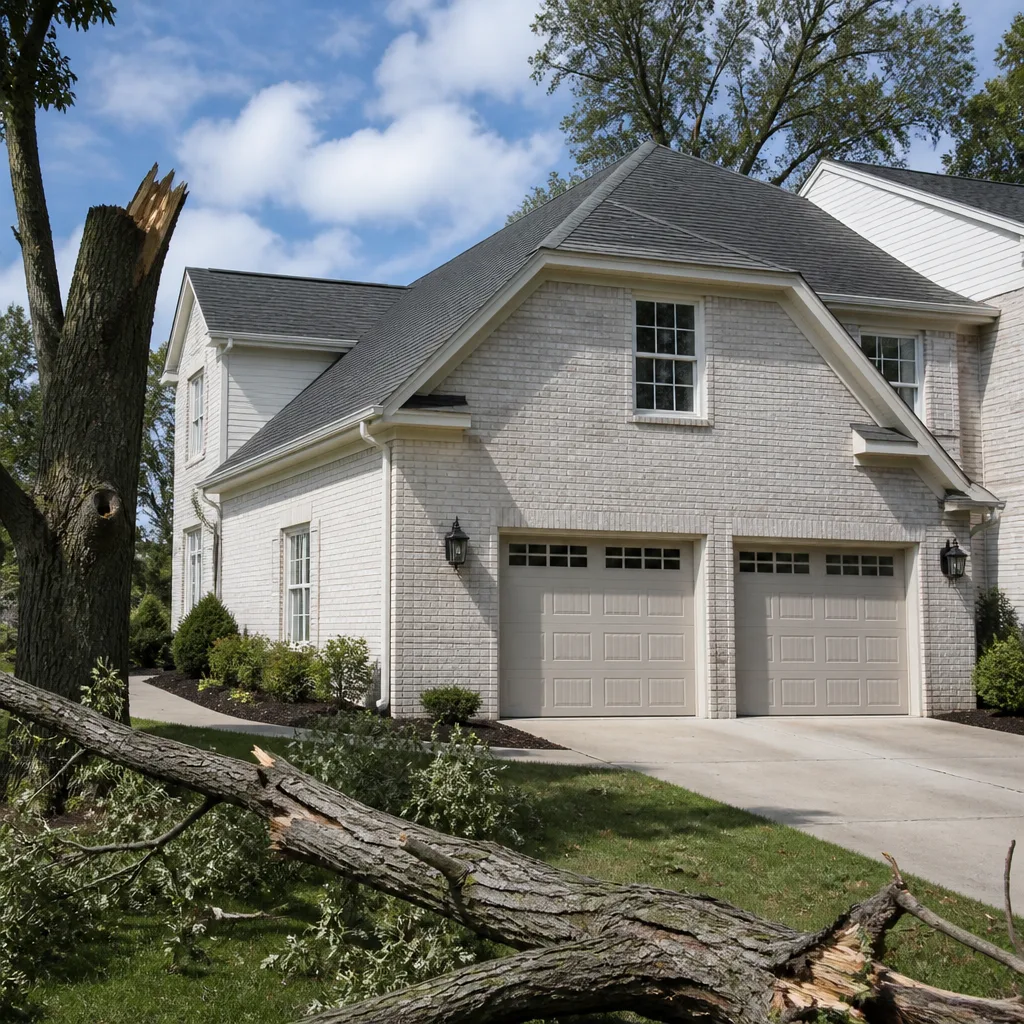
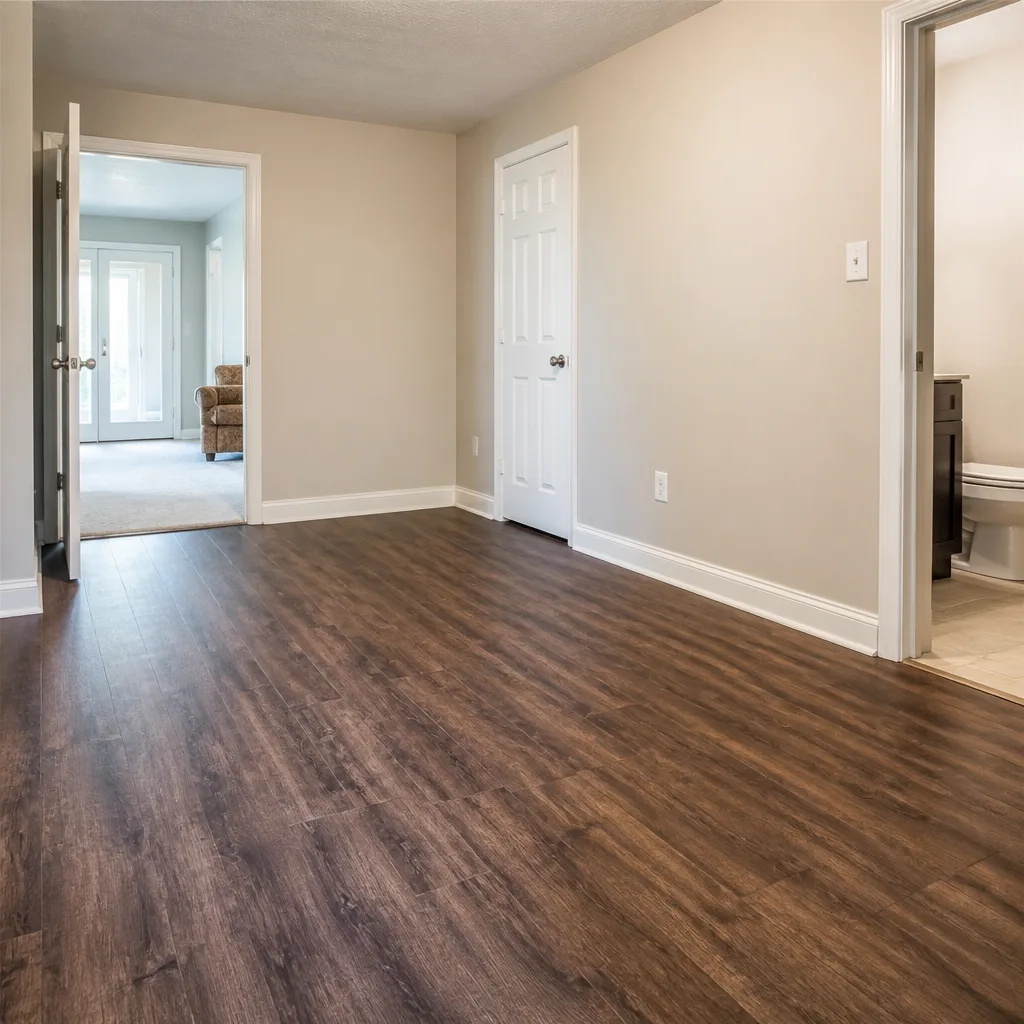
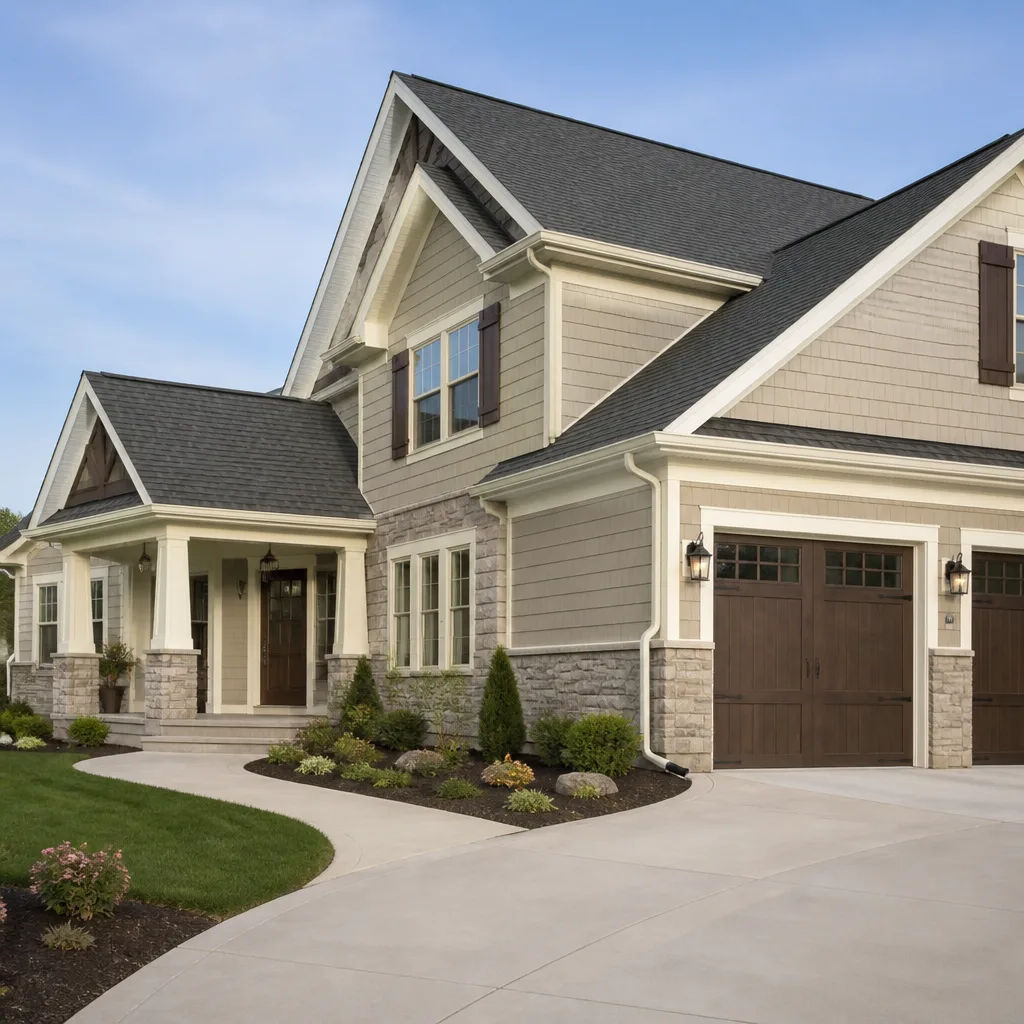
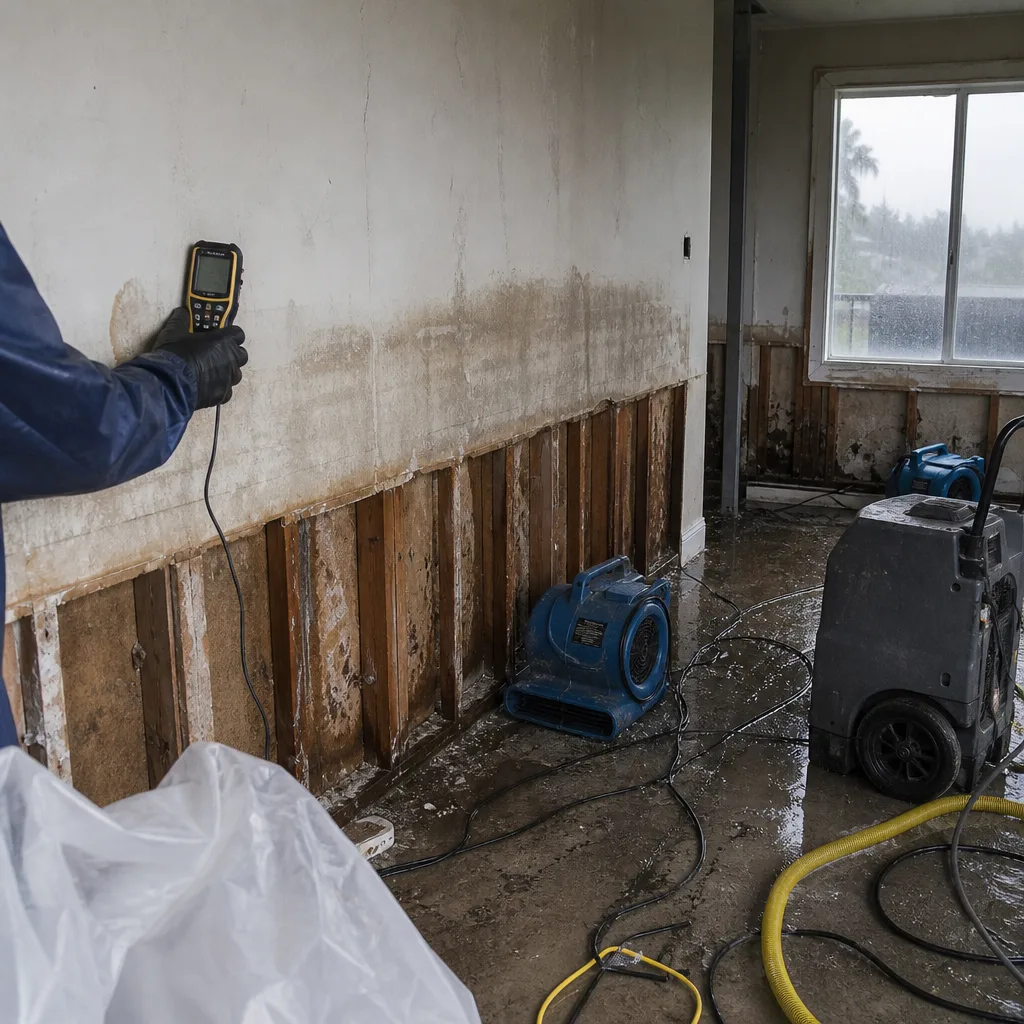 Before
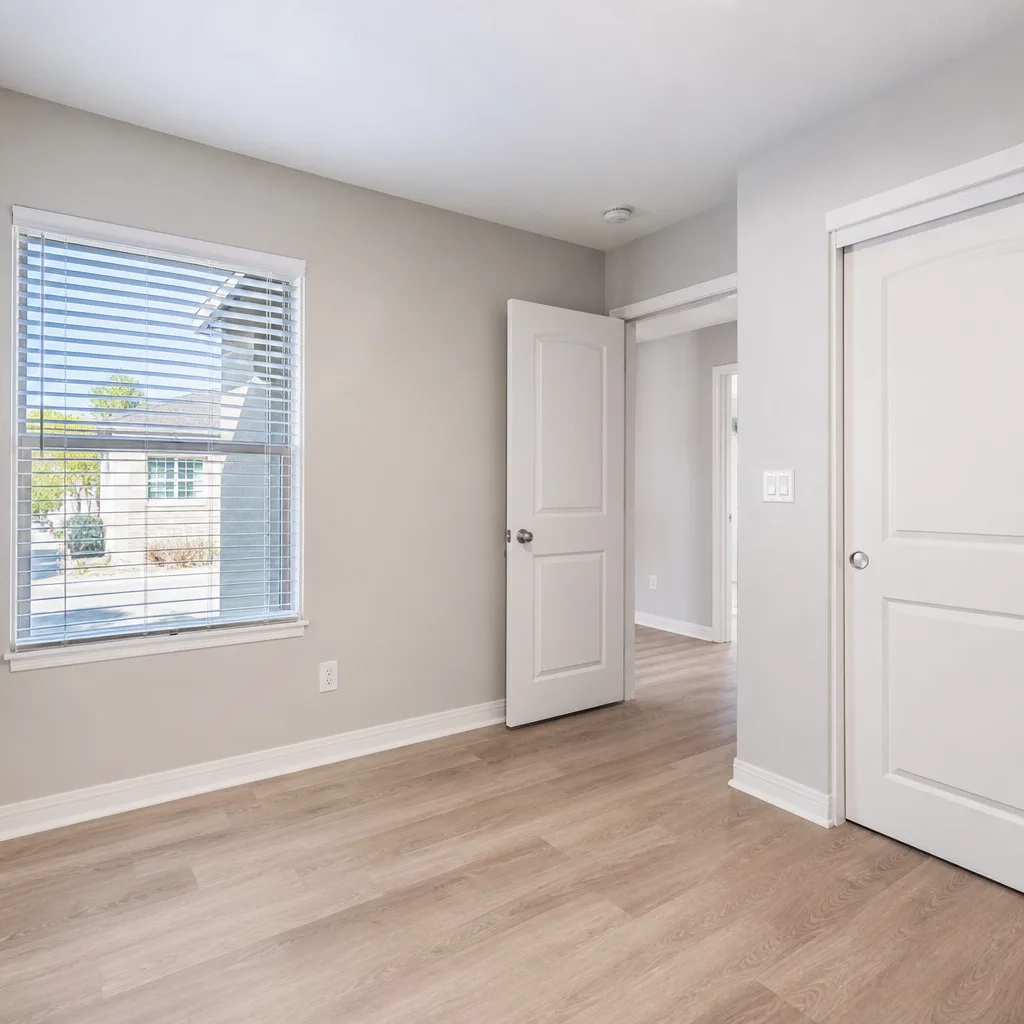 After
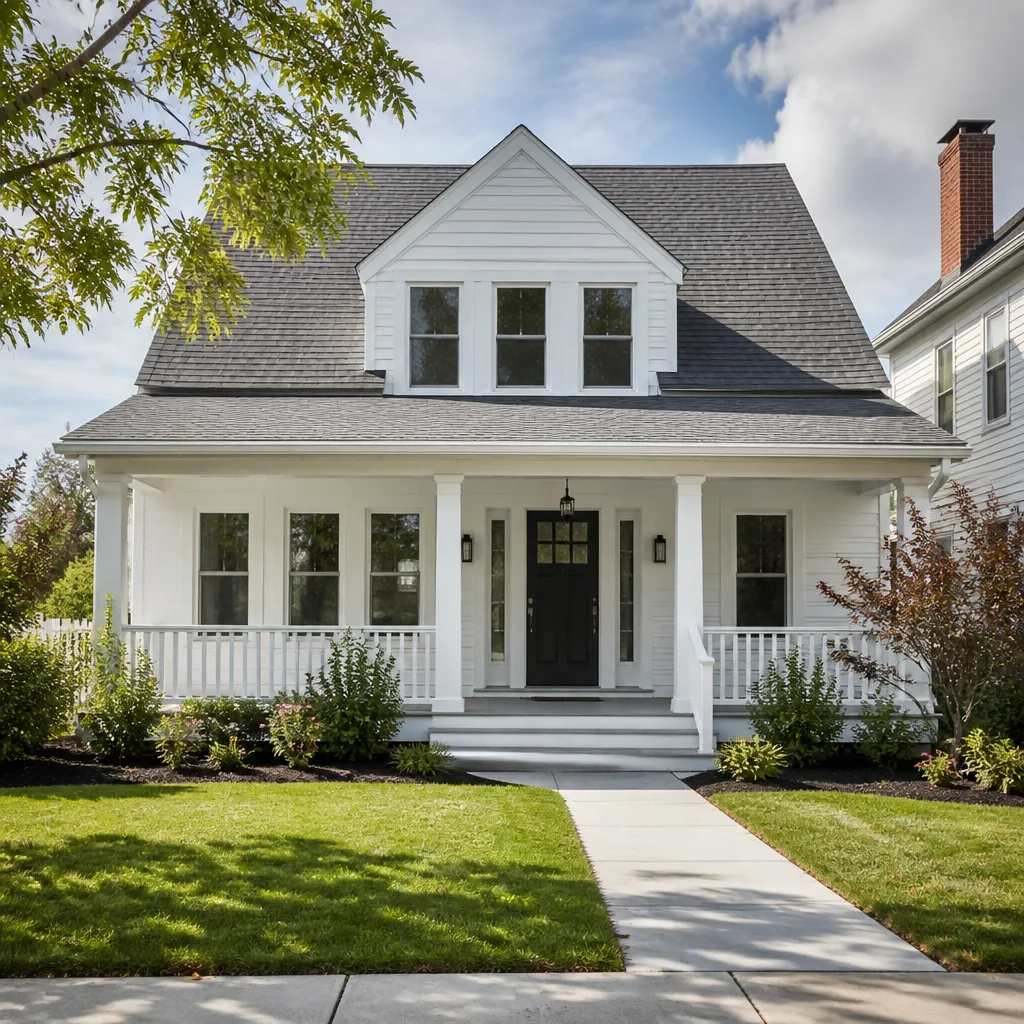
After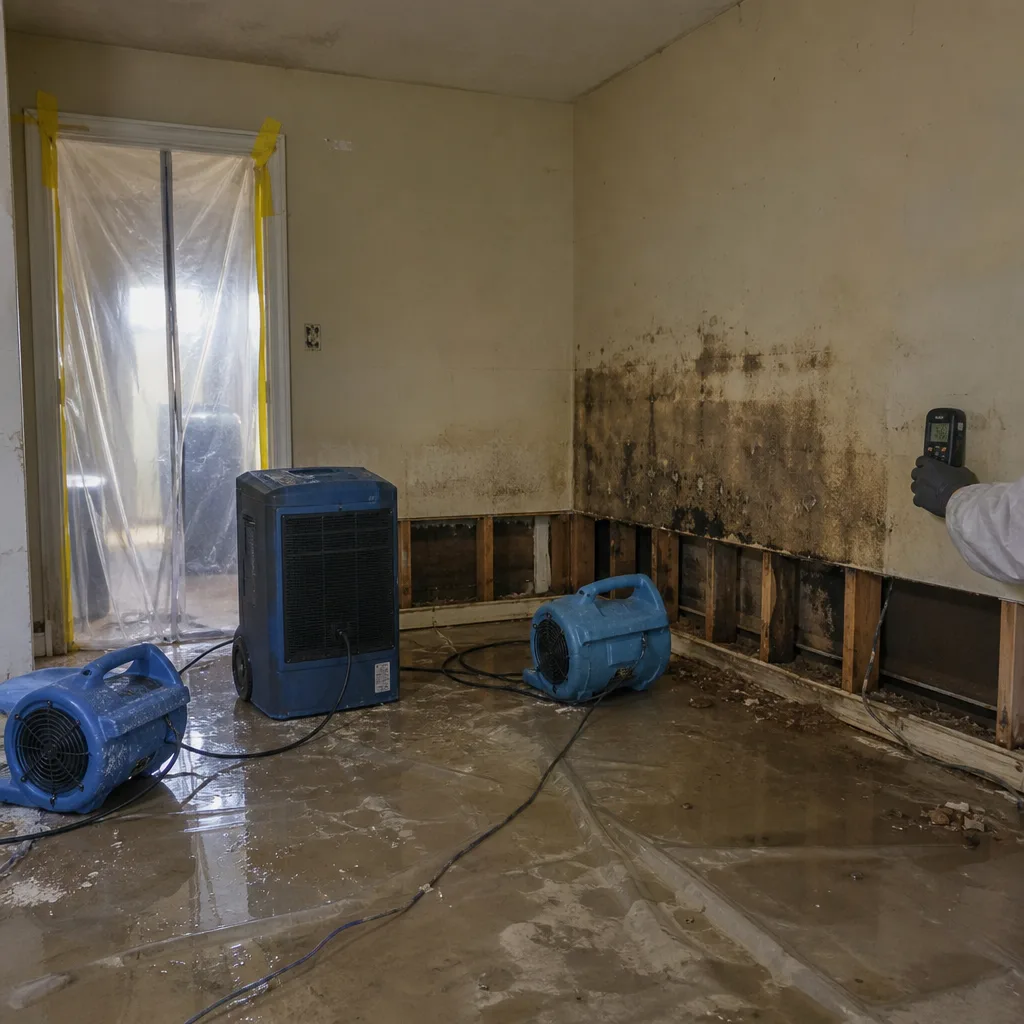 Before
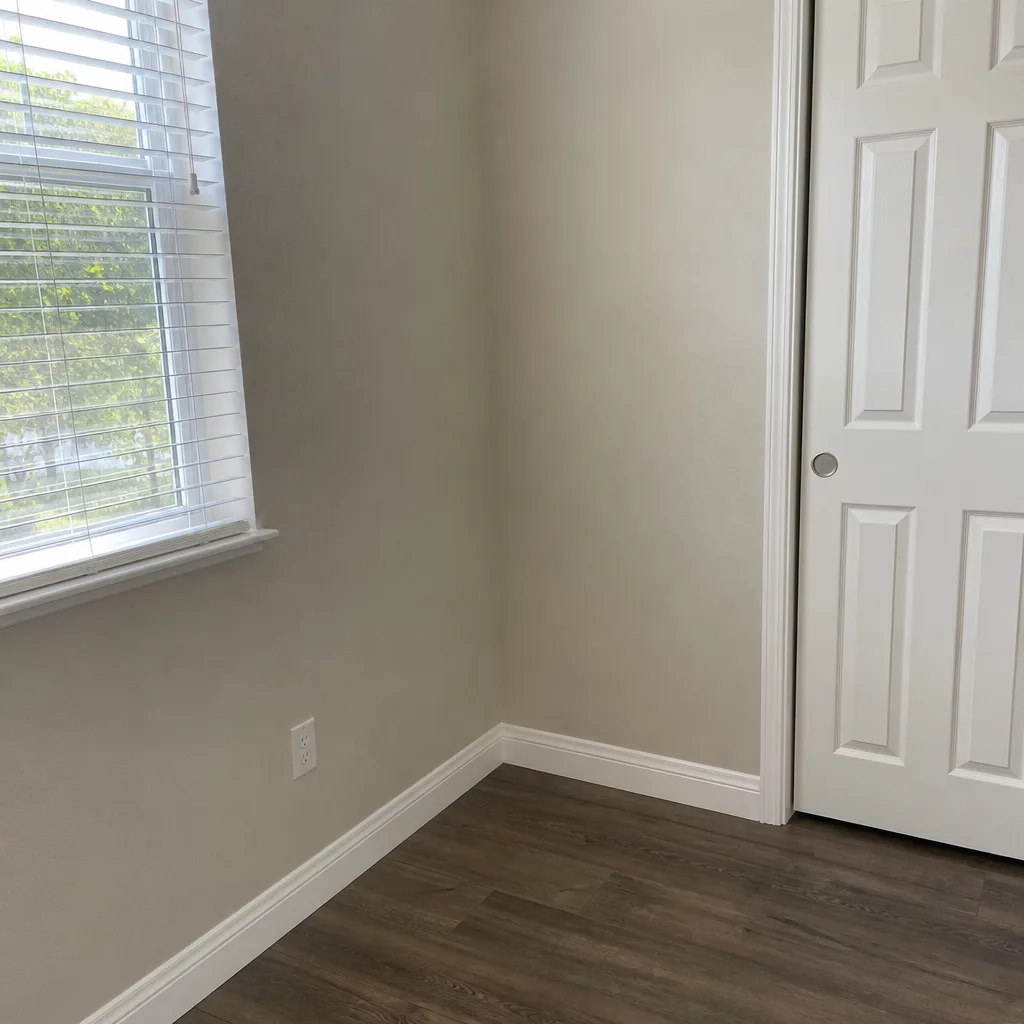 After
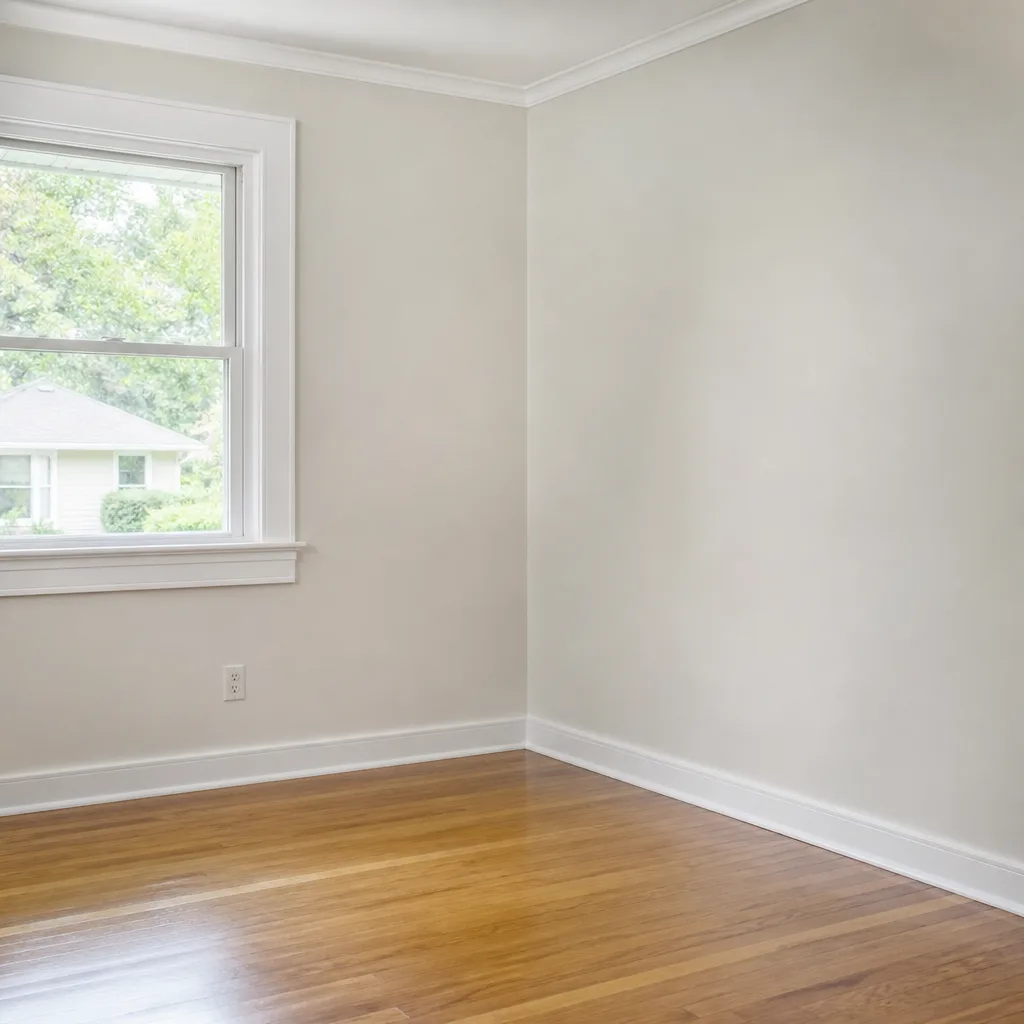
After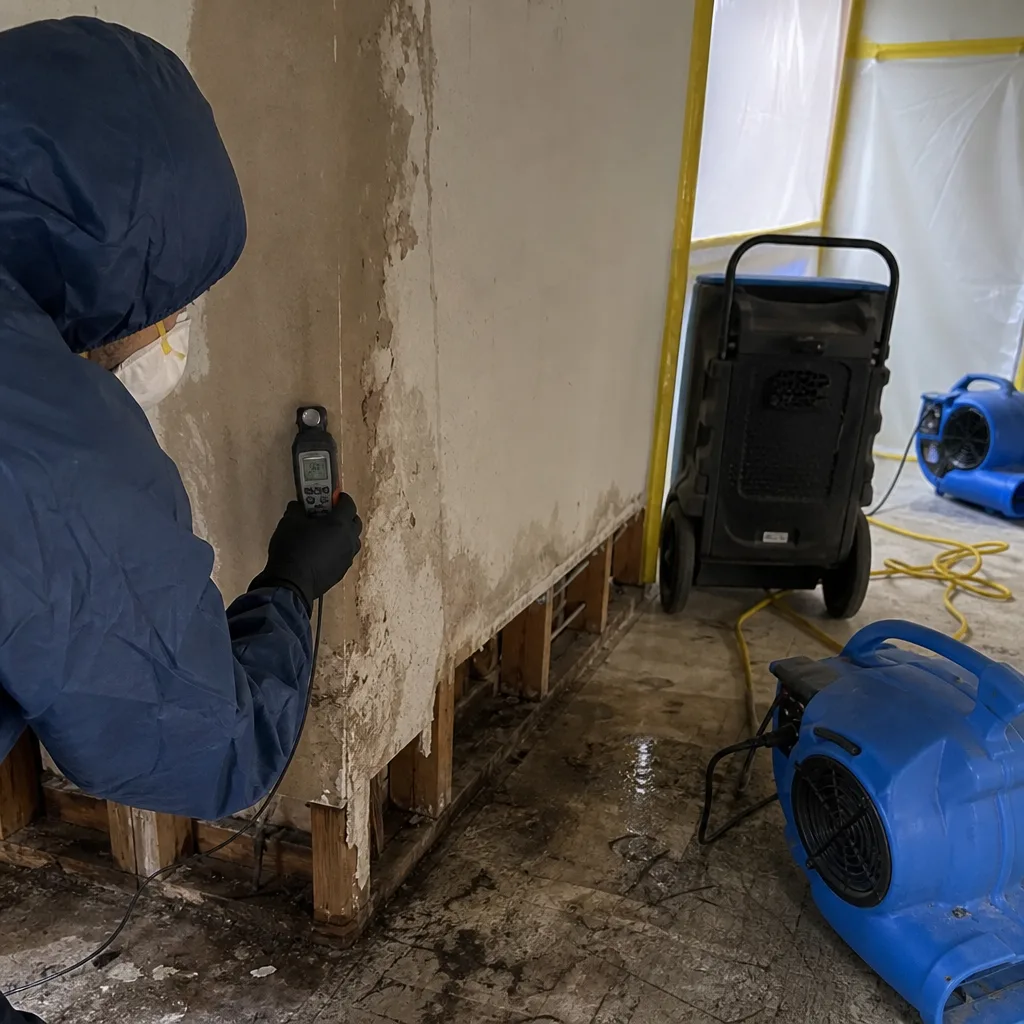 Before
 After
AfterFast, Reliable Water Damage Restoration Across Encinitas
Water damage restoration in Encinitas typically costs $2,800-$7,500 for residential projects, with emergency extraction and structural drying dispatched same-day from our San Diego office. Crews reach Leucadia, Cardiff-by-the-Sea, and New Encinitas within 45-60 minutes during daylight hours. Call (858) 923-4372 and a live person answers, 24 hours a day, 7 days a week - no voicemail while water is still moving through your walls.
We know Encinitas properties because we’ve documented thousands of them since 2011. The coastal strip’s 1930s-1960s bungalows fail differently than inland tract homes. The marine layer that rolls in off the Pacific five nights out of seven from May through September keeps relative humidity elevated enough to colonize mold inside wall cavities without a single plumbing leak or storm event. That pattern changes what we look for, how we document it, and what we write in the scope before any work begins.
Our Water Damage Restoration team serves Encinitas under The Haven Standard, which means a written price before work starts every time - Haven Standard, Clause 1 - plus a photo record on every visit and a 365-Day Done Right Promise backed by a signed guarantee, not a verbal assurance.
Why DryMark Restoration Carlsbad Is Encinitas’s Preferred Water Damage Restoration Company
We’ve restored 12,000+ homes since 2011, every one with a written price before work started and a documented record when the crew left. Alicia Brennan founded Back to Dry as a former claims adjuster who watched homeowners lose legitimate coverage because restoration contractors couldn’t produce the moisture logs, photos, and written scopes that turn invoices into payable claims. That documentation gap is the problem this company was built to solve.
Encinitas customers specifically mention our daily drying logs and room-by-room moisture readings in reviews - the proof points that get their claims paid without a fight. Our response time to Encinitas averages under an hour for emergency calls, with crews carrying Dri-Eaz and Phoenix dehumidification systems, Injectidry cavity drying systems, and XPOWER air movers configured to the specific vapor pressure differential of coastal structures.
We understand the local housing stock: original single-pane wood-frame windows in Leucadia bungalows, the uninsulated stucco with no vapor barrier behind it, the septic systems in Olivenhain’s semi-rural ranch properties, and the 1980s-90s tract construction in New Encinitas. Each requires different moisture mapping, different equipment configurations, and different documentation for carrier submission. We scope accordingly before any equipment runs.
Our Water Damage Restoration Services in Encinitas
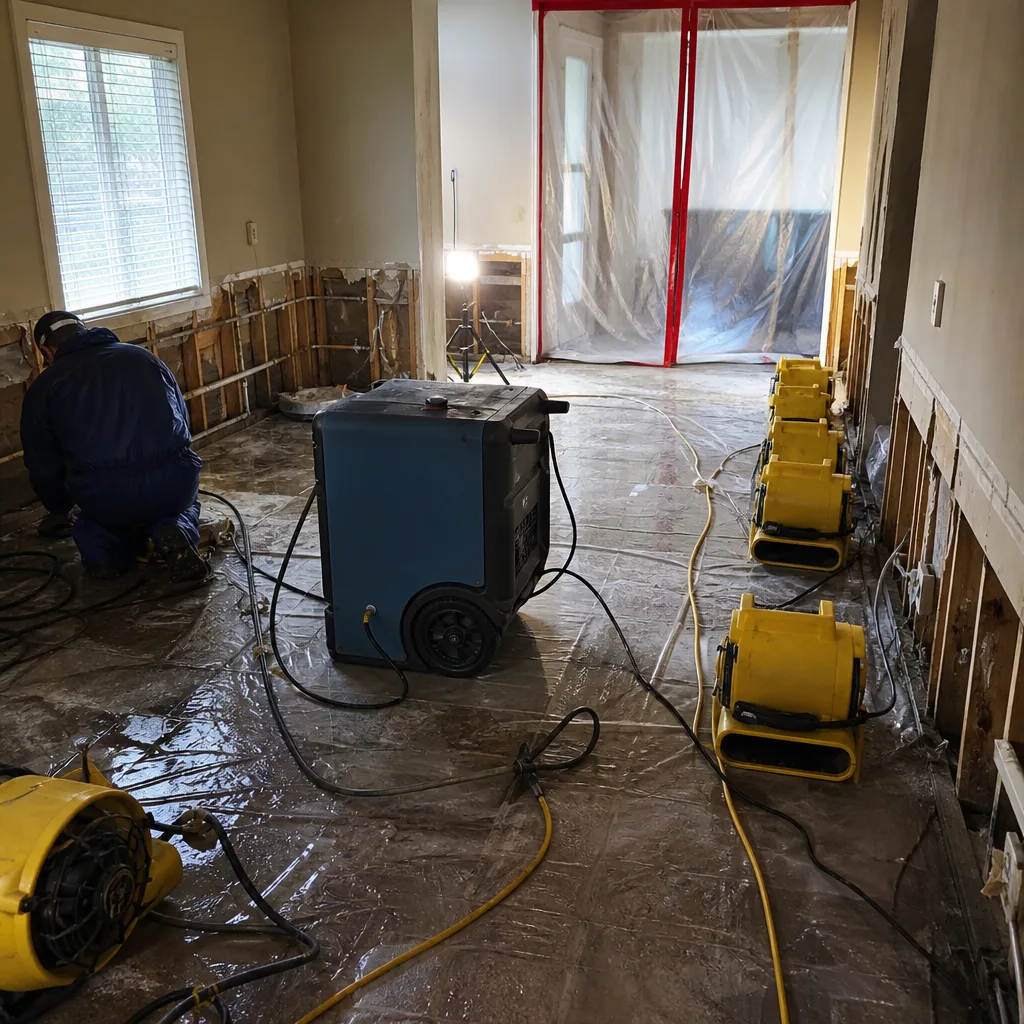
Emergency Water Extraction
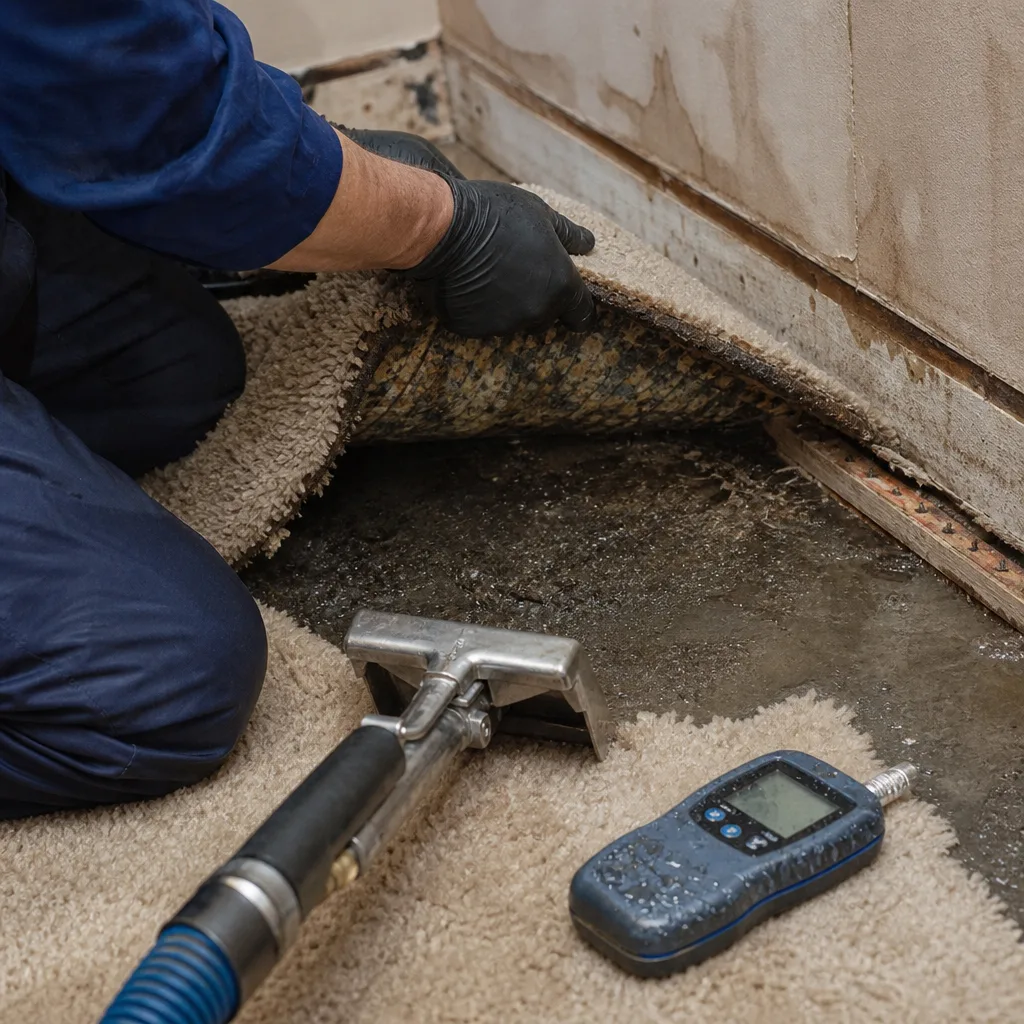
When a supply line bursts in a New Encinitas tract home or a washing machine overflows in a Cardiff-by-the-Sea cottage, standing water migrates fast through subfloors and wall cavities. Our crews extract to industry-dry standards using truck-mounted and portable systems, then immediately document affected square footage, material classifications by trade name, and pre-loss moisture readings with pinned and non-invasive meters. Every reading is logged for carrier submission. In Encinitas, we also flag whether the loss coincides with marine-layer saturation - that context matters for source identification and coverage determination.
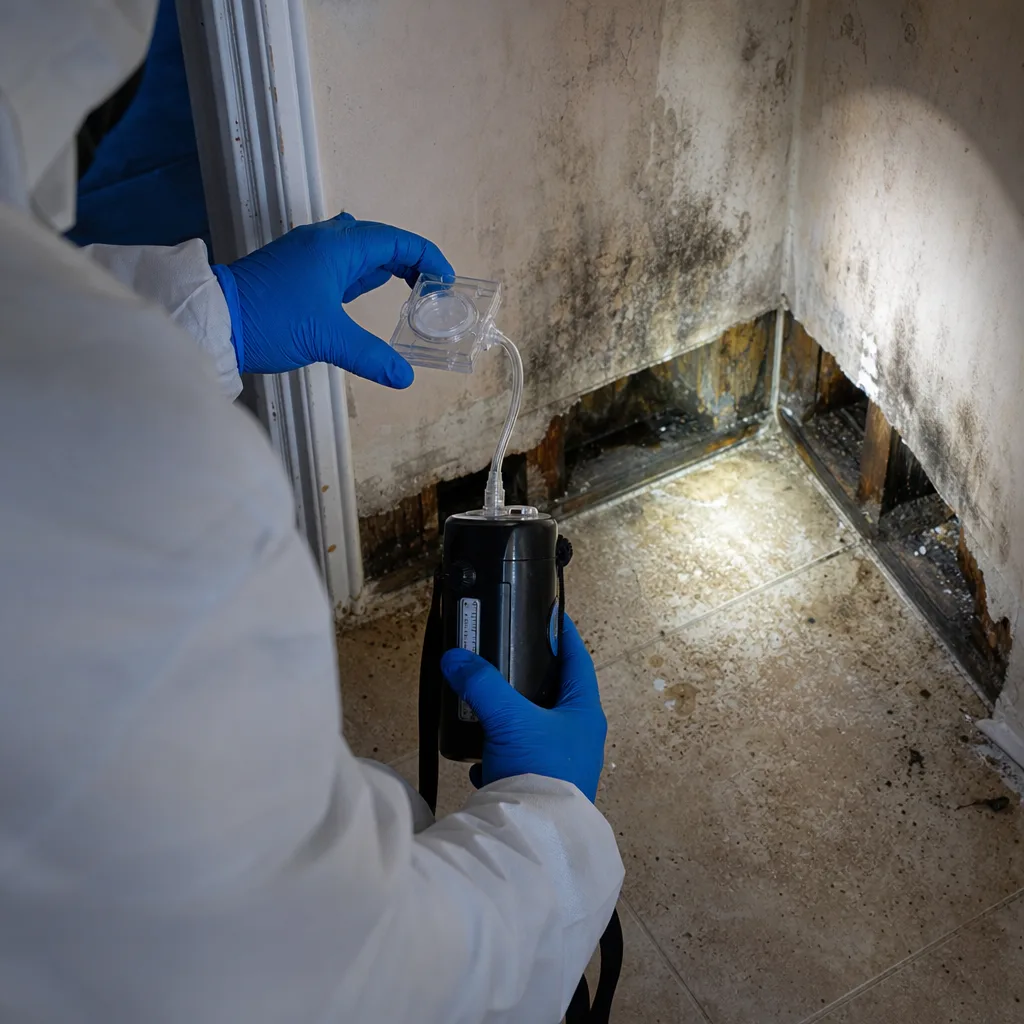
Structural Drying & Dehumidification
Structural drying in Encinitas is not a one-size-fits-all protocol. The persistent marine layer along this stretch of North County coast means ambient relative humidity near the shoreline runs higher than inland standards for much of the year. We deploy Phoenix and Dri-Eaz LGR dehumidifiers sized to the specific vapor pressure differential - the measurable force that drives moisture from wet materials into drier air - and adjust psychrometric targets (temperature, relative humidity, and dew point in balance) based on whether the structure is a sealed 1990s tract home or a 1940s Leucadia bungalow with original construction gaps that let coastal air circulate inside walls. Daily drying logs track progress and prove restoration to IICRC and RIA standards.
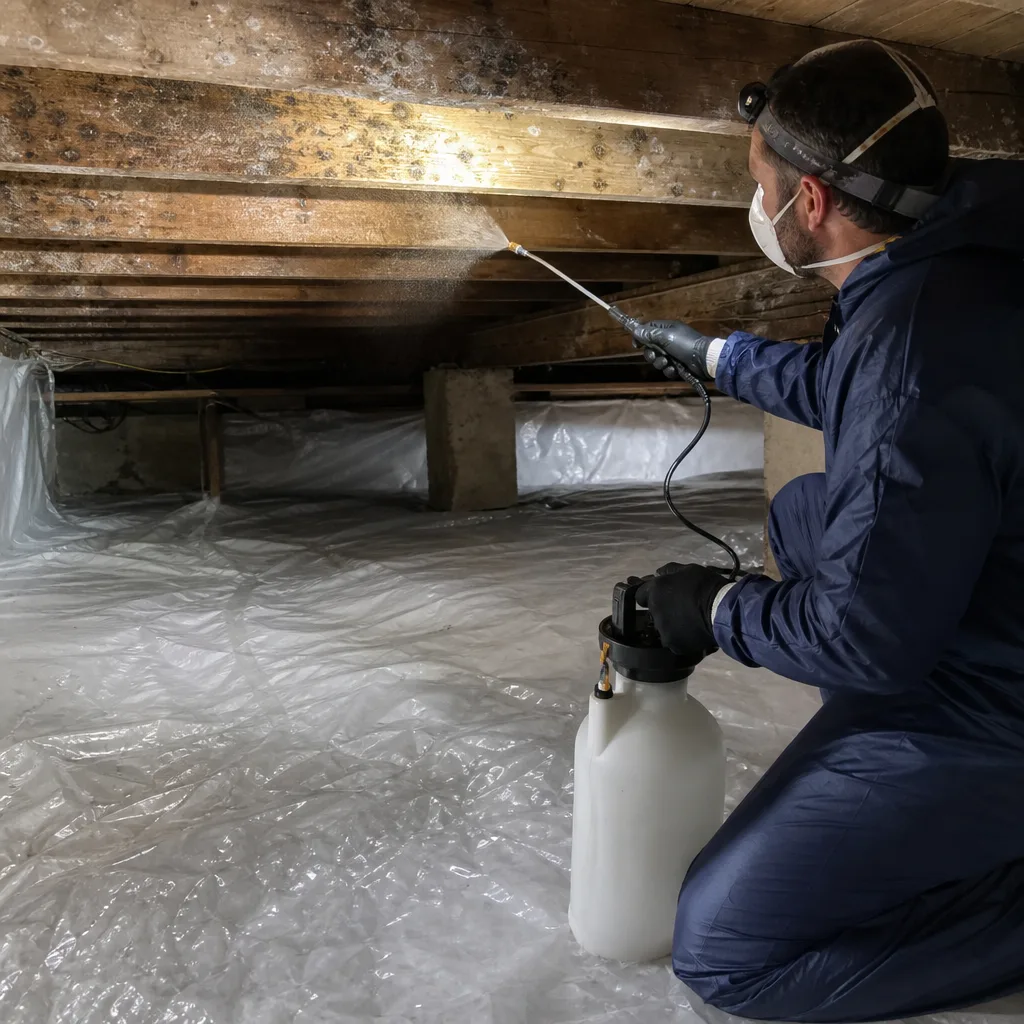
Flood Cleanup
Flood events in Encinitas can involve coastal surge, hillside runoff, or backed-up drainage systems. Each source carries different contamination classifications that determine what can be dried and what must be removed. We test and document water category on arrival - Category 1 (clean source), Category 2 (gray water with chemical or biological load), or Category 3 (black water with pathogenic or toxic agents) - then build the written scope accordingly. Haven Standard, Clause 1 applies: the price is set before work begins, with no scope-creep additions once the crew is inside. For Encinitas properties on or near eroding sandstone bluffs, we also assess whether ground movement or foundation wicking contributed to the loss - a factor standard flood protocols miss.
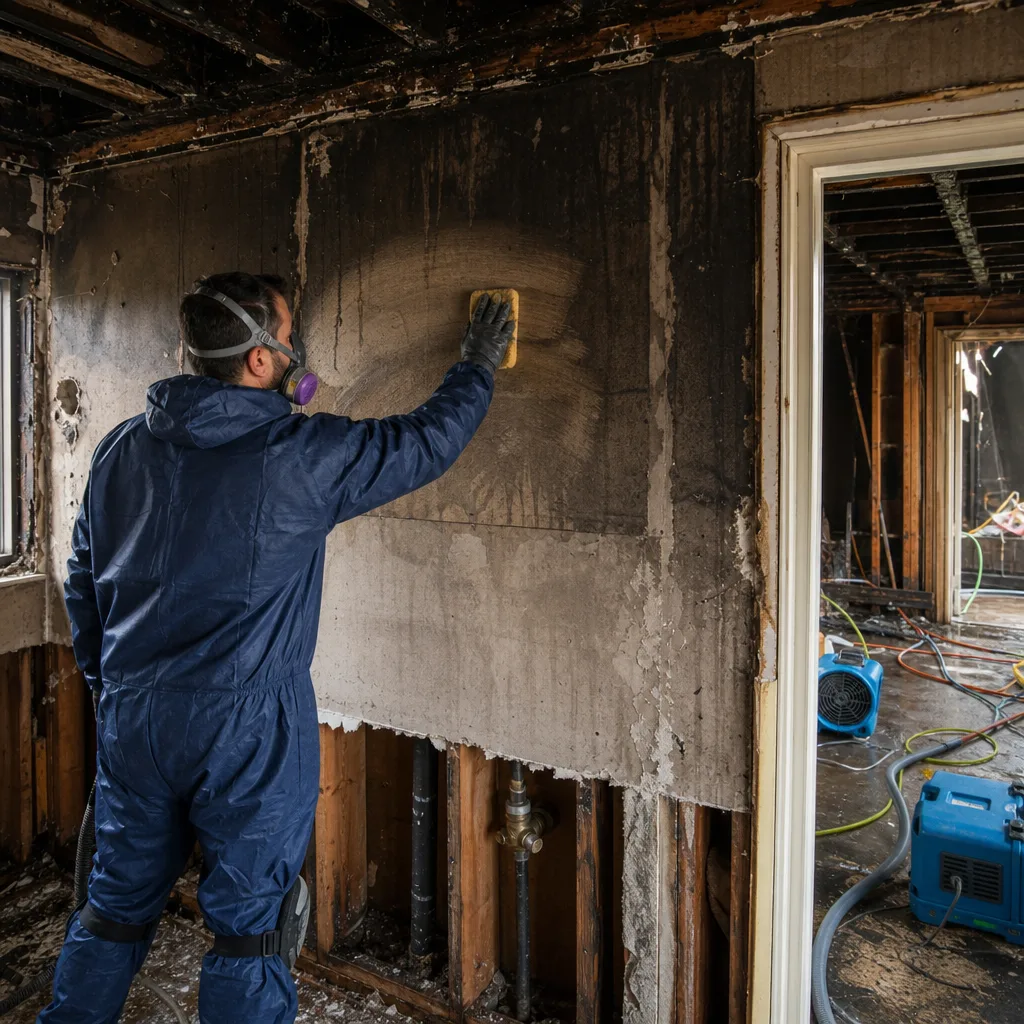
Burst Pipe Restoration
Encinitas’s older coastal properties often have original galvanized or early copper supply lines that fail at fittings stressed by decades of thermal expansion and contraction. Newer tract homes in Encinitas face pinhole leaks in copper or joint failures in PEX. We extract water, dry affected assemblies, and document whether the failure point indicates a one-time event or a systemic condition requiring repipe recommendation. The photo record on every visit captures pipe condition, moisture migration paths, and structural impact - documentation that protects the homeowner if the carrier disputes causation.
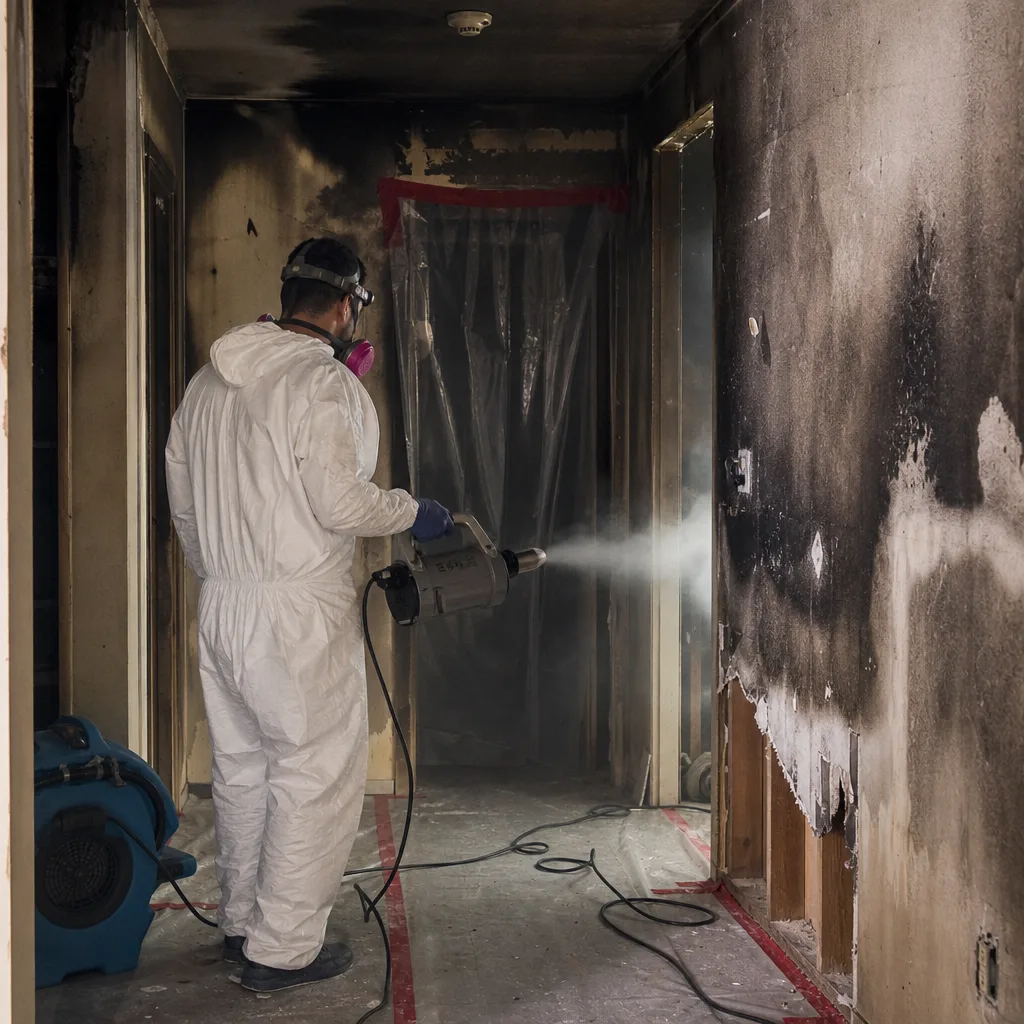
Ceiling & Roof Leak Water Damage
Roof leaks in Encinitas present a specific documentation challenge. The marine layer can produce ceiling stains and cavity moisture that mimic roof failure but originate from atmospheric condensation in unvented attic spaces - particularly in original Leucadia bungalows with no vapor barrier and minimal insulation. We use thermal imaging and moisture mapping to distinguish roof-source from air-source moisture, document the finding with photos and meter readings, and write the scope based on what we can prove. If the roof is the source, we coordinate drying with the roofer’s repair schedule so no work is done twice. If the source is atmospheric, we document that too - because treating condensation as a roof leak wastes coverage and leaves the real problem unaddressed.
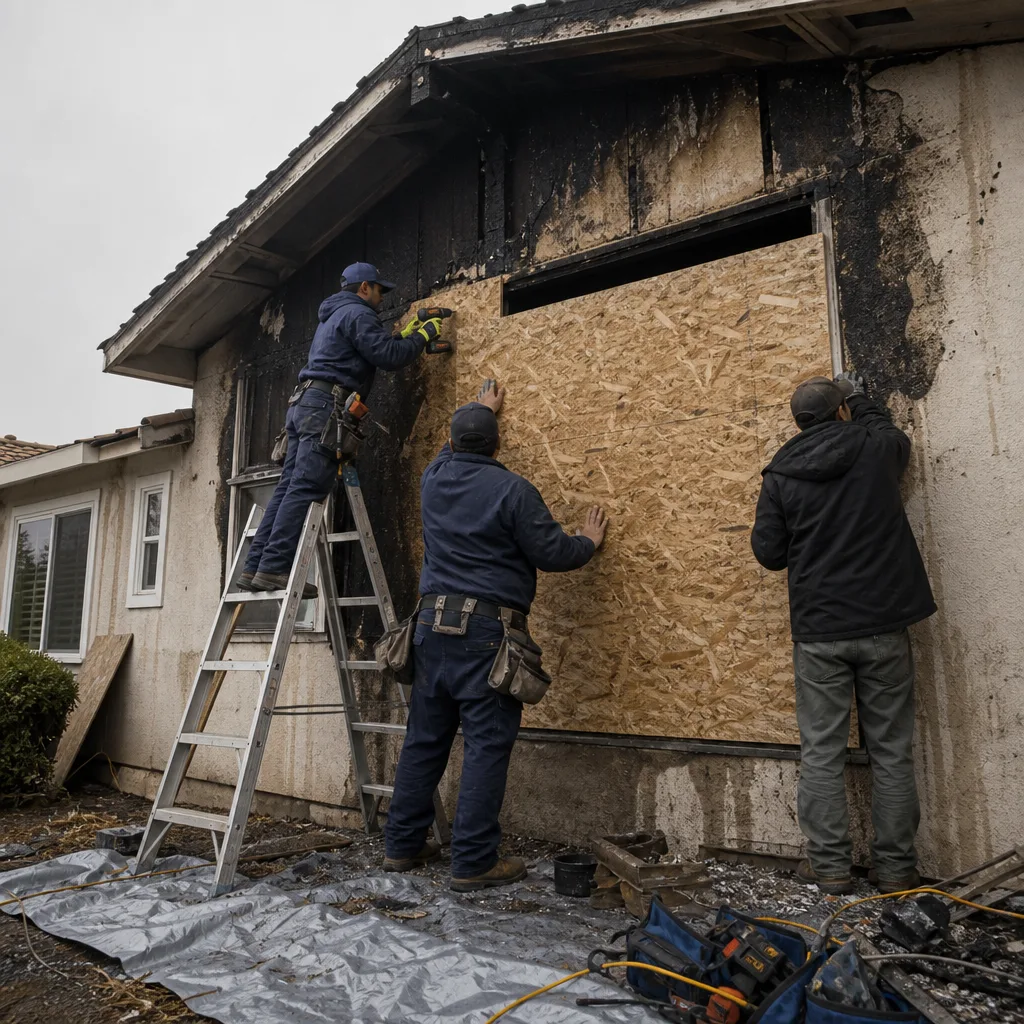
What happens when you call
- 1
A real person answersNo phone trees - you reach a local pro.
- 2
You get an upfront price rangeHonest numbers before anyone is dispatched.
- 3
A background-checked tech heads outLicensed & insured, dispatched right away.
- 4
You approve before work beginsNothing starts until you say go.
BeforeAfterCommon Water Damage Restoration Problems We See in Encinitas Homes
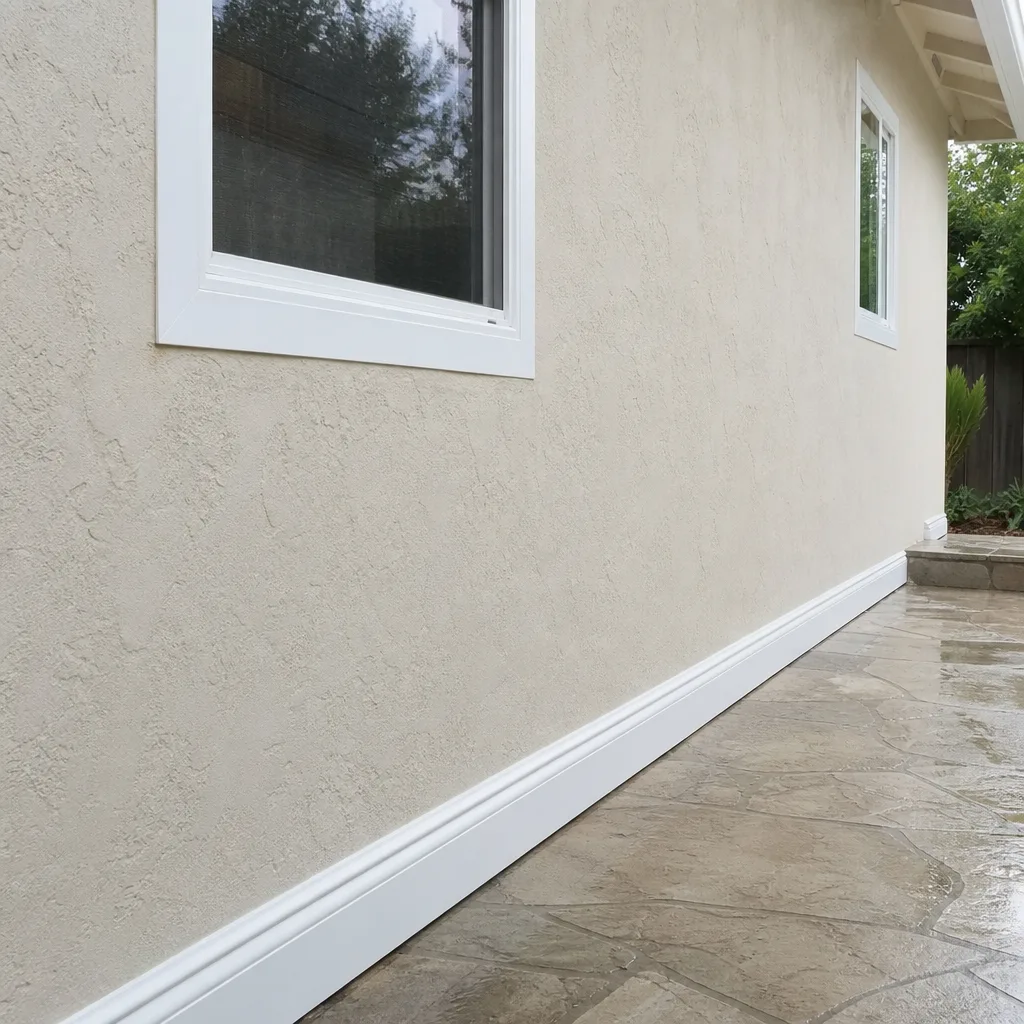
- Contractors drying only the visible surface and missing original wall cavities. In Leucadia bungalows, nightly marine-layer condensation traps moisture behind uninsulated stucco with no vapor barrier. Surface drying reads dry; the cavity behind it doesn’t. We pull base trim and use borescopes and non-invasive meters to verify cavity conditions before signing off.
- Treating chronic marine-layer moisture as Category 1. Cumulative atmospheric buildup in coastal structures elevates biological activity over time. What starts as clean water condensation can become Category 2 or 3 through long-term colonization. The category determines whether materials can be dried in place or must be removed. We test and document, not assume.
- Ignoring sandstone bluff undercutting in central Encinitas and Leucadia. Actively eroding coastal bluffs wick and concentrate moisture at foundation level for bluff-top properties. Standard structural drying addresses the symptom; it doesn’t resolve the ground-movement and wicking source. We flag this in our assessment and documentation when we find it.
- Missing decades-old mold with no recent water event. The field vignette we see repeatedly: musty odor, no visible leak, original 1950s construction, mold on the back of stucco that’s been growing through cumulative marine-layer exposure for years. Source identification and scope documentation for these claims requires specific expertise in coastal failure patterns.
Pricing for Water Damage Restoration in Encinitas, CA
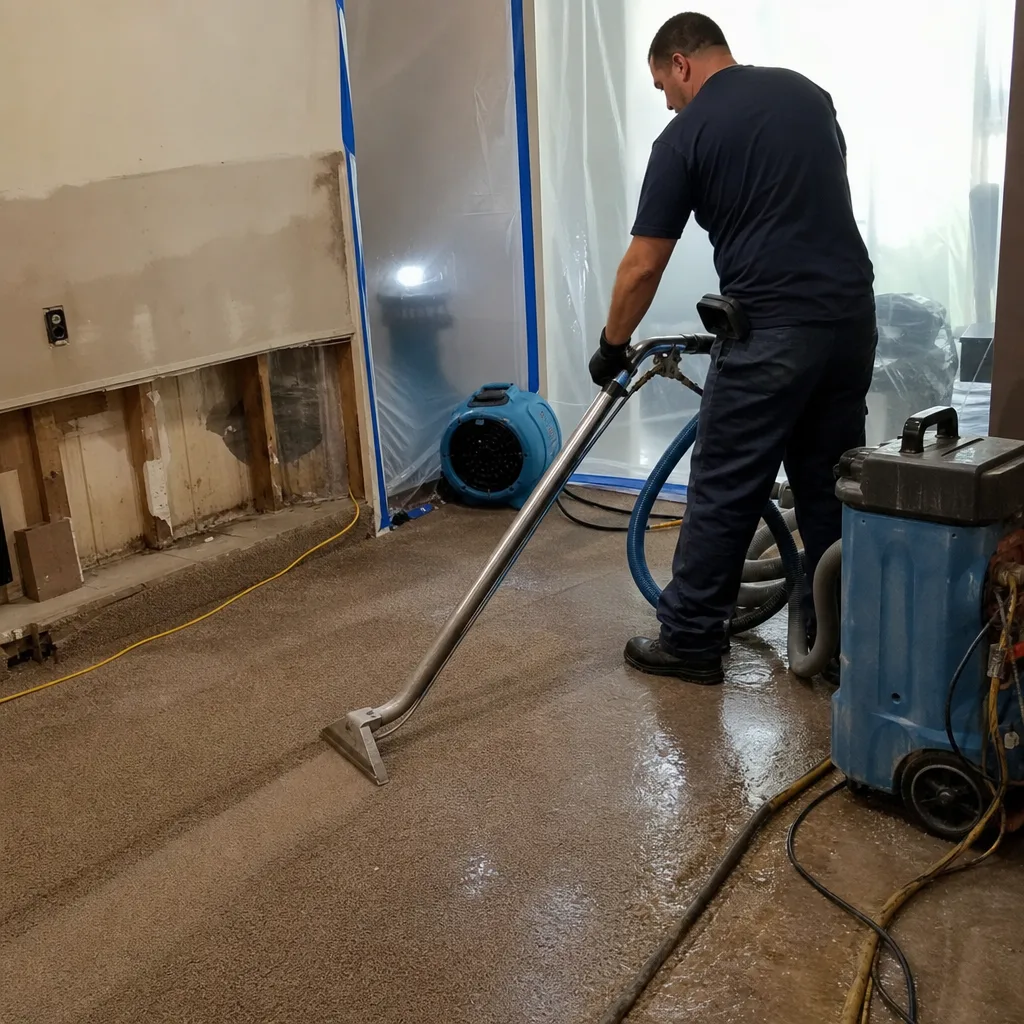
Emergency water extraction in Encinitas runs $800-$2,400 depending on affected square footage and extraction method. Structural drying and dehumidification typically adds $1,800-$4,200 for a standard residential loss, with equipment rental calculated daily until moisture readings return to pre-loss or industry-dry standards. Category 3 contamination, asbestos or lead-containing materials requiring abatement, and extensive demolition can push total project costs to $6,500-$12,000 or above.
What moves the price: water category (clean vs. contaminated), affected square footage, construction type (original plaster and lath vs. modern drywall), accessibility for equipment, and whether the loss involves the chronic moisture patterns common to Encinitas coastal properties that require extended drying and more detailed documentation. Haven Standard, Clause 1: the written price is delivered before anyone starts work, with no additions once the crew is inside.
We also provide a Free Second Opinion on any competitor’s written estimate - bring their scope and we’ll review it at no charge. Call (858) 923-4372 for a written estimate.
We Also Serve Cities Near Encinitas
Our crews respond throughout North County San Diego, including Encinitas, Solana Beach, Del Mar, Carlsbad, and Vista. Dispatch and scheduling are coordinated from our San Diego office; crews serve each city locally with equipment configured to that area’s specific housing stock and climate conditions.
Serving Encinitas, CA - Our Local Coverage Area
We’re based in the Encinitas area and know this community well. Use the map below to see our service coverage - if you’re nearby, we can almost certainly help.
FAQs - Water Damage Restoration in Encinitas
The marine layer keeps shoreline relative humidity elevated from May through September, and original Leucadia bungalows from the 1940s-50s frequently have no vapor barrier behind their stucco. Salt-laden coastal air condenses inside wall cavities during nightly marine layer events, producing cumulative moisture that standard drying doesn’t resolve because there’s no single leak to fix. We address this with cavity-specific drying using Injectidry systems, documentation of atmospheric vs. plumbing-source moisture, and scope language that identifies the actual mechanism for carrier review. Call (858) 923-4372 for an assessment - estimates are free.
Yes. Properties atop actively eroding sandstone bluffs - particularly through Leucadia and central Encinitas - experience foundation-level moisture from ground movement and capillary wicking that standard structural drying protocols won’t resolve. We assess for bluff-related moisture intrusion when we find unexplained foundation dampness or slab-edge moisture readings, document the condition with photos and meter readings, and note it in the written scope so the carrier understands why additional remediation may be necessary. Call (858) 923-4372 for an assessment - estimates are free.
Because the mold often predates any recent water event. In 1940s-60s coastal cottages with no vapor barrier, mold colonizes through years of cumulative marine-layer condensation rather than a single covered peril. Carriers routinely classify this as maintenance or long-term damage excluded under standard policies. Our documentation - moisture readings against pre-loss condition, photo records showing original construction defects, and written scopes that distinguish sudden loss from chronic conditions - is designed to make the coverage case where it exists. Call (858) 923-4372 for a Free Second Opinion on any carrier denial - estimates are free.
The category determines what materials can be dried and what must be removed. Category 1 (clean source) allows drying in place for most materials. Category 2 (gray water with chemical or biological load) requires antimicrobial treatment and may require removal of porous materials. Category 3 (black water with pathogenic agents) mandates removal of porous materials and specific cleaning protocols for non-porous surfaces. A small leak from a clean supply line can become Category 2 or 3 if it sits untreated for 48-72 hours, which happens when homeowners delay calling because the visible water seems minor. We test and document category on arrival, not assume based on source. Call (858) 923-4372 for an assessment - estimates are free.
We document the construction defect - typically original uninsulated stucco with no vapor barrier, single-pane wood-frame windows, and cavity condensation from marine-layer exposure - then establish pre-loss moisture conditions, set containment and air filtration, remove non-salvageable materials, dry remaining assemblies with Phoenix dehumidifiers and XPOWER air movers, apply antimicrobial treatment, and write a scope that distinguishes the sudden discovery from the long-term cause. The daily drying logs and photo record support carrier negotiation. We got a call from a 1950s single-pane wood-frame bungalow near Leucadia Blvd after the homeowner noticed a musty odor with no visible leak. Our tech pulled base trim and found decades-old mold on the back of original uninsulated stucco with no vapor barrier. We set containment and air movers, ran a Phoenix dehumidifier for structural drying, applied antimicrobial treatment, and documented moisture readings against pre-loss condition to make the carrier case. Call (858) 923-4372 for an assessment - estimates are free.
Written by Alicia Brennan, Owner at Back to Dry Restoration, serving Encinitas since 2011.
Water Damage Restoration in Nearby Areas