
Last updated September 23, 2026
Free visual inspection and a written scope of work before any mitigation begins - photos, moisture readings, and drying logs go in your claim file
The scope we write is the scope we bill. Anything new gets shown to you, in writing, before we touch it.
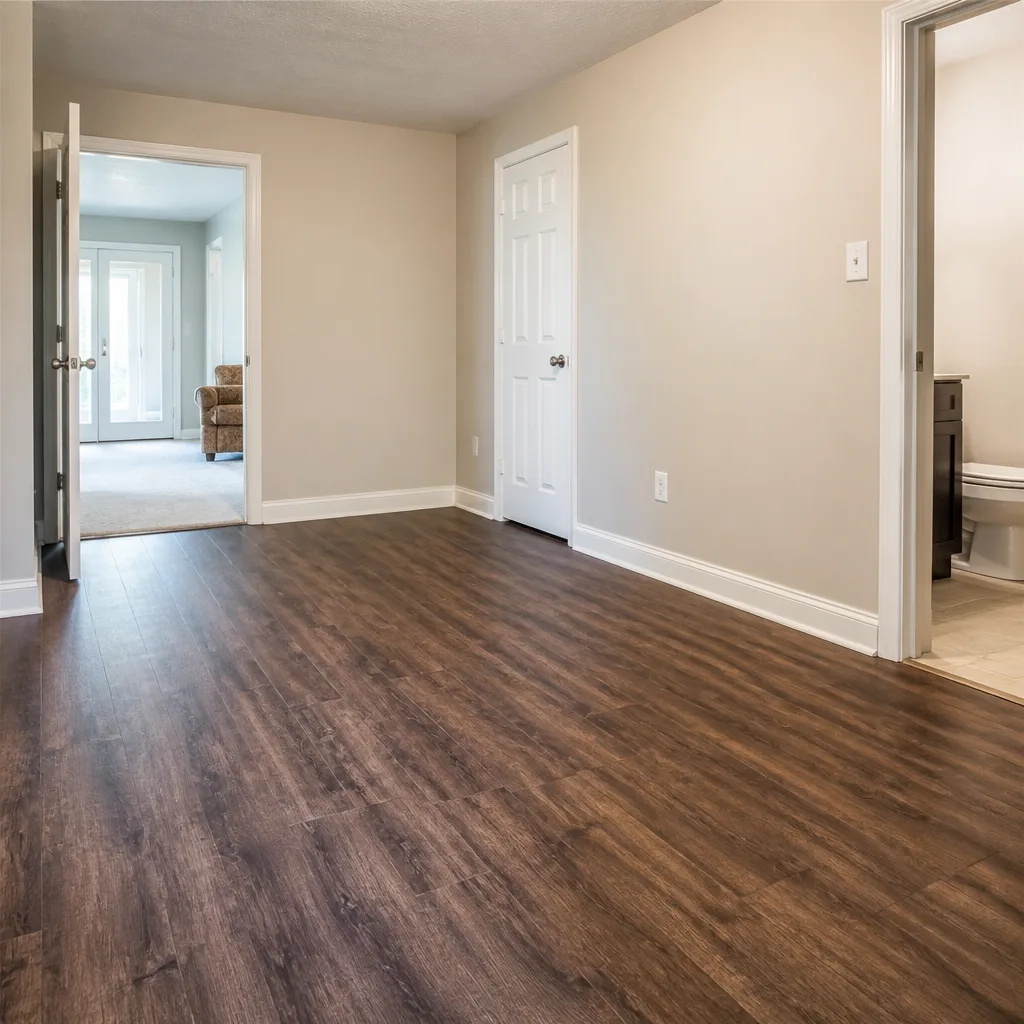
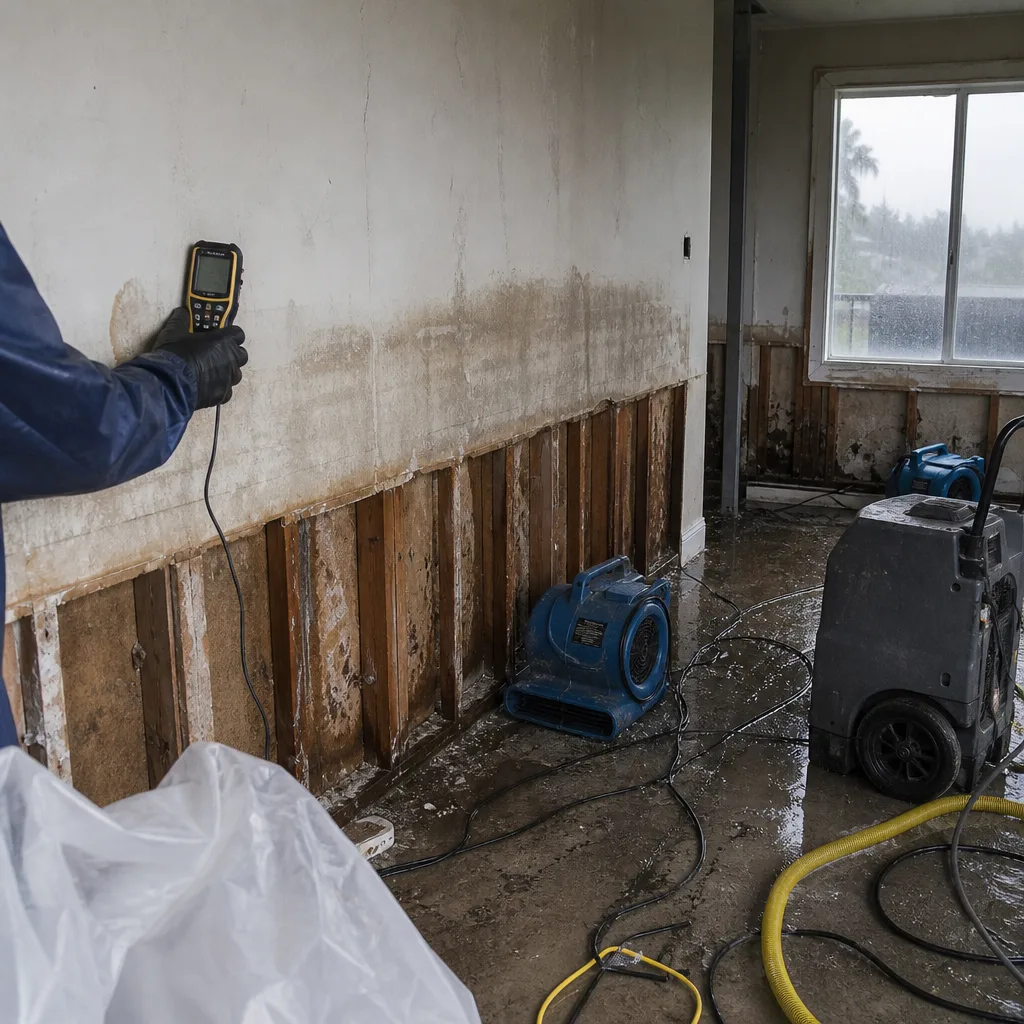 Before
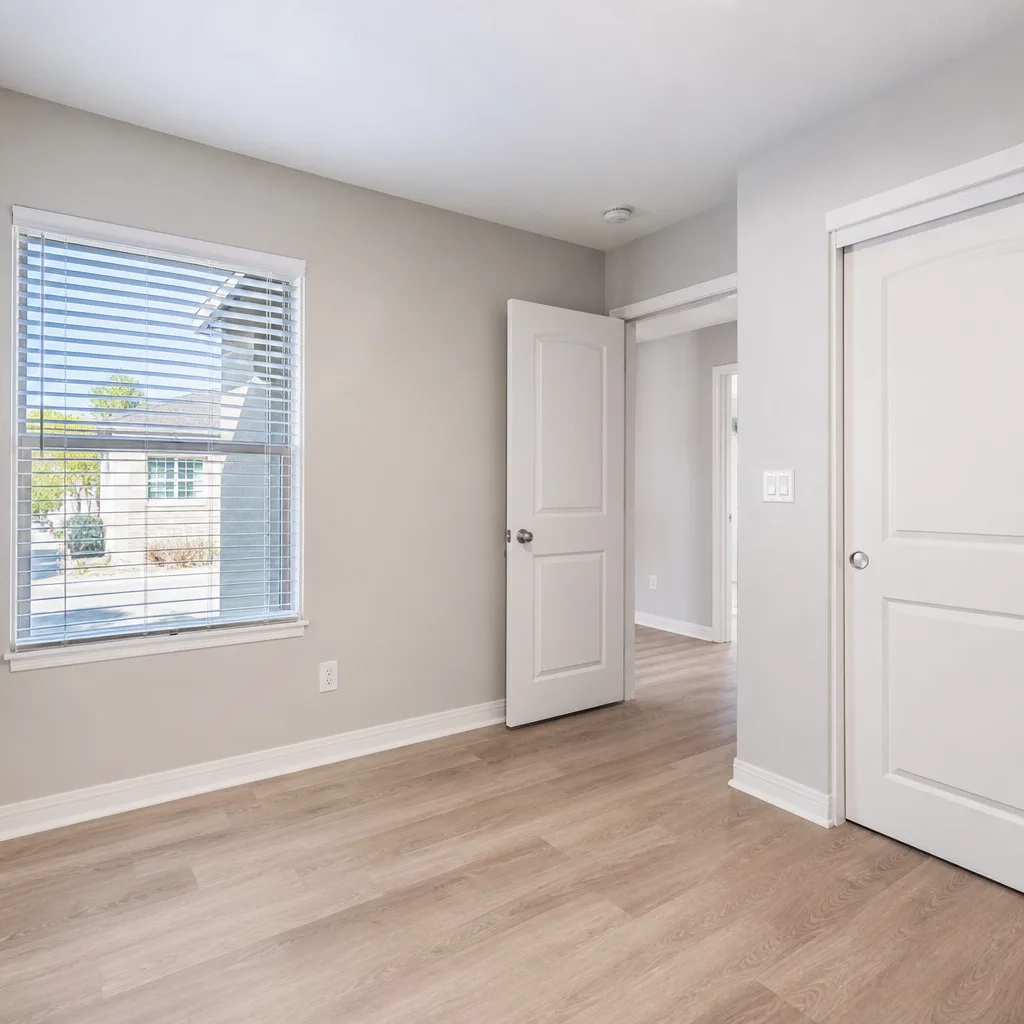 After
After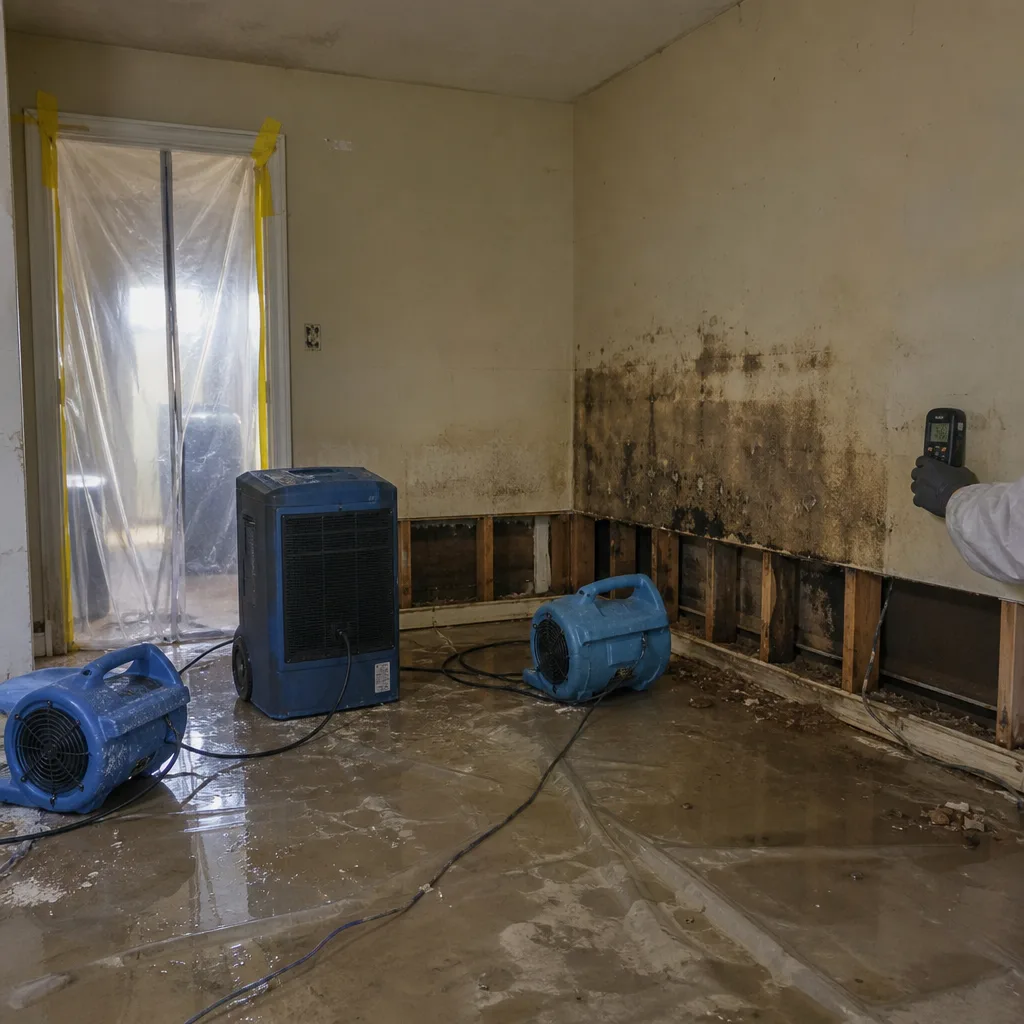 Before
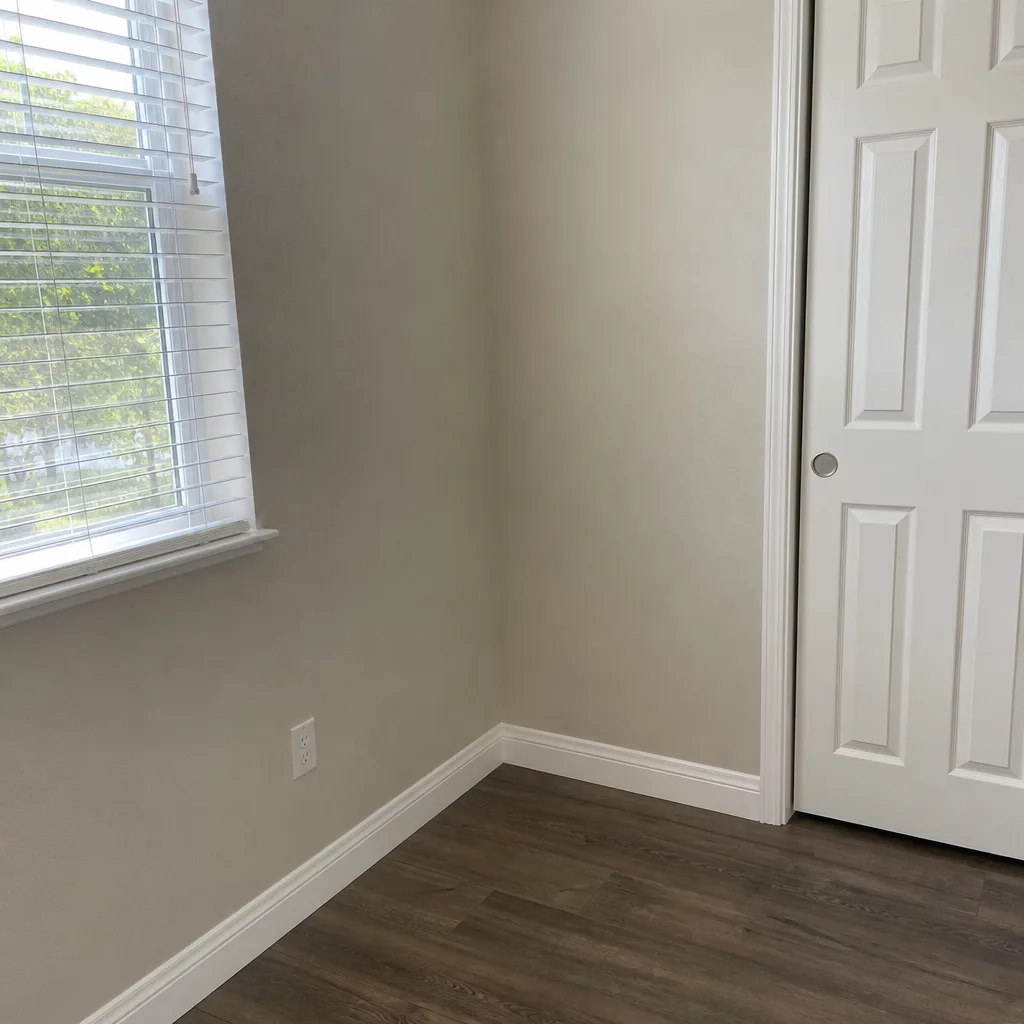 After
After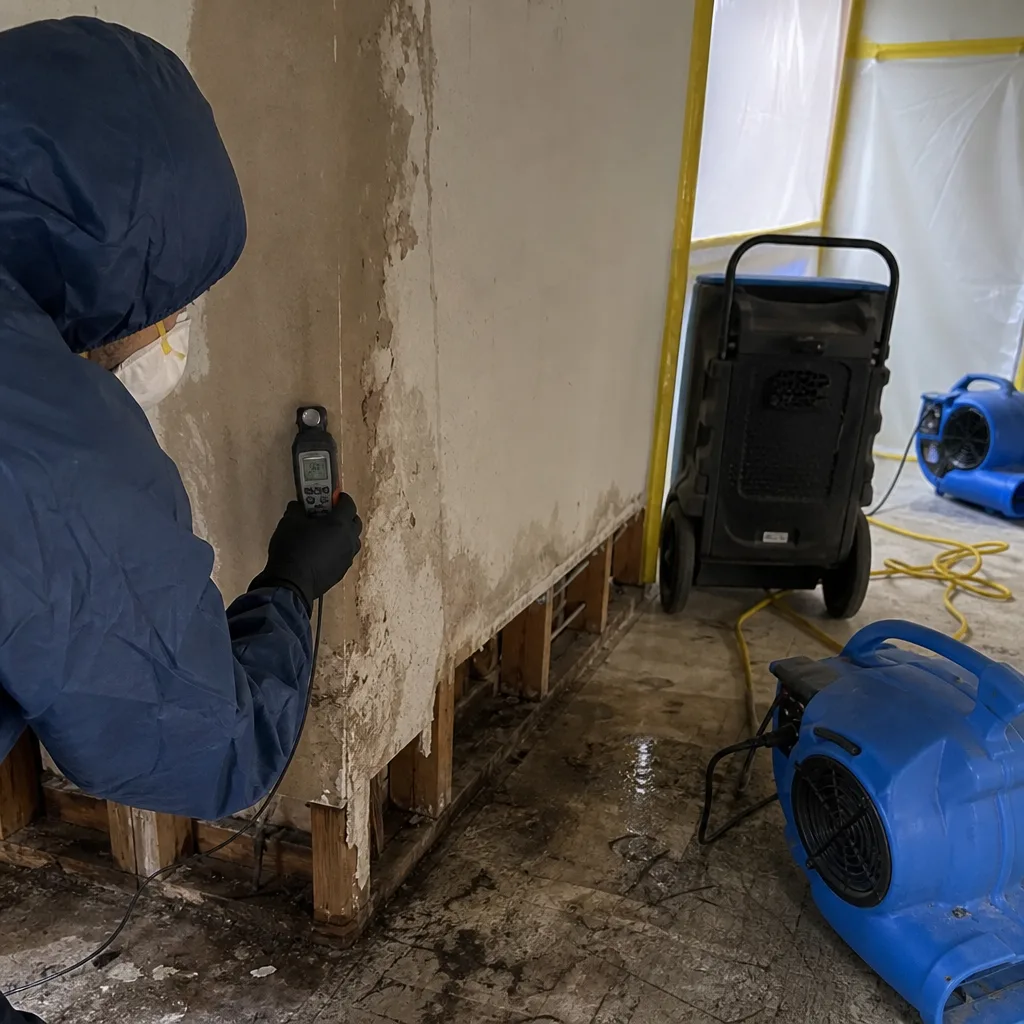 Before
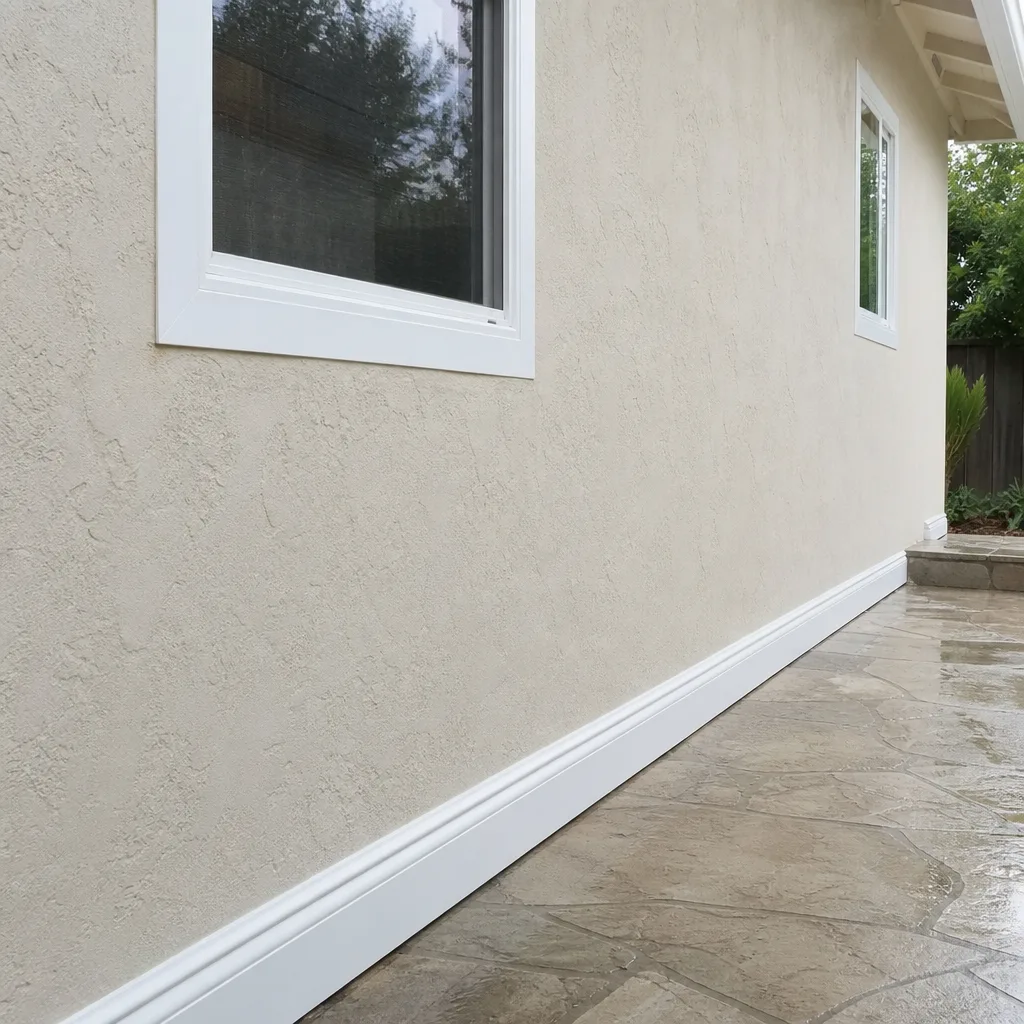 After
AfterHow to Hire a Damage Restoration Contractor in Carlsbad: A Step-by-Step Guide
Most Carlsbad homeowners start their search with “how fast can you get here?” We’ve reviewed thousands of claim files since 2011, and the honest answer is: speed matters less than the paper trail. A contractor who arrives in 45 minutes but leaves no drying log, no written scope, and no photo record will cost you more at claim time than one who takes two hours and documents every step. In this guide, we’ll show you the five documents to demand before anyone enters your home, how to verify a California contractor license in under two minutes, and the contract red flags that separate legitimate restoration companies from operators who treat your insurance settlement as their target. For a broader overview, see our Complete Guide to Damage Restoration in Carlsbad.
Quick Answer
To hire a damage restoration contractor in Carlsbad, verify their CSLB license classification matches the work needed, request five specific documents before signing, and reject any contract containing assignment-of-benefits language or open-ended pricing. The contractor who can produce a sample drying log and written scope from a recent job is the one who will protect your claim.
Table of Contents
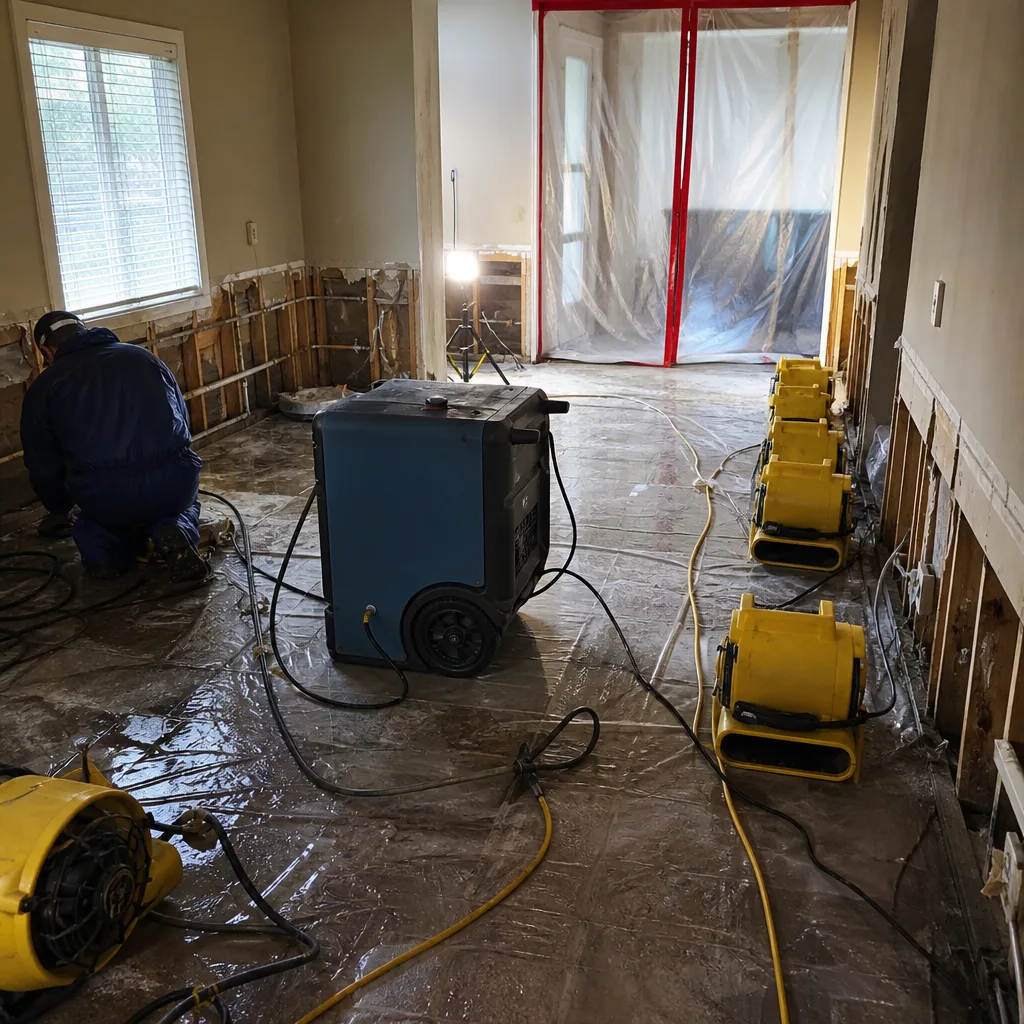
- Why Documentation Beats Speed in Carlsbad Restoration
- The Five Documents to Request Before Signing Any Contract
- How to Verify a CSLB License in Under Two Minutes
- Red Flags in Restoration Contracts
- Interview Questions That Reveal Documentation Competency
- How Insurance Coordination Should Actually Work
- Carlsbad-Specific Considerations: Climate, Codes, and Neighborhoods
- Common Mistakes to Avoid
- When to Call a Professional
- Frequently Asked Questions
- The Bottom Line
BeforeAfterWhy Documentation Beats Speed in Carlsbad Restoration
Water moves fast in Carlsbad’s coastal climate. Humidity off the Pacific keeps moisture in drywall longer than inland climates, and the marine layer that rolls through La Costa and Aviara neighborhoods can mask secondary damage until mold is already established. Every homeowner knows this, and most panic accordingly. Our Water Damage Restoration Maintenance Checklist for Carlsbad Homeowners helps you stay ahead of these risks.
But panic is expensive. We’ve seen it in 12,000 homes since 2011: the contractor who promises immediate extraction but has no protocol for daily moisture readings will leave your subfloor at 18% wood moisture content, the threshold where mold colonizes. Six months later, you’re paying out of pocket for remediation that proper documentation would have prevented.
The documentation gap is what costs homeowners their claims. Insurance adjusters review invoices against three standards: IICRC S500 for water damage, IICRC S520 for mold, and the written scope signed before work began. No scope, no payment. No drying log, no proof of completion. No photo record, no evidence the work was necessary.
This is why we built DryMark Restoration Carlsbad home around The Haven Standard. Every job starts with a written price before work begins - Haven Standard, Clause 1 - and ends with a signed warranty. The 365-Day Done Right Promise isn’t marketing language; it’s a document with an address.
Here’s what proper documentation looks like in practice:
- A written scope with unit measurements: “Remove 24 linear feet of baseboard, 144 square feet of wet drywall, dispose per City of Carlsbad hazardous waste requirements”
- A drying log with daily psychrometric data: temperature, relative humidity, specific humidity, and vapor pressure differential (the force that actually moves moisture from wet materials to dry air)
- A photo record with timestamps, showing pre-loss condition, equipment placement, and post-drying verification
- An itemized price with line-item costs for labor, materials, equipment rental days, and disposal
The contractor who can produce these four items from a recent job is the one who understands how claims actually get paid. The one who can’t, or won’t, is gambling with your coverage.
The Five Documents to Request Before Signing Any Contract
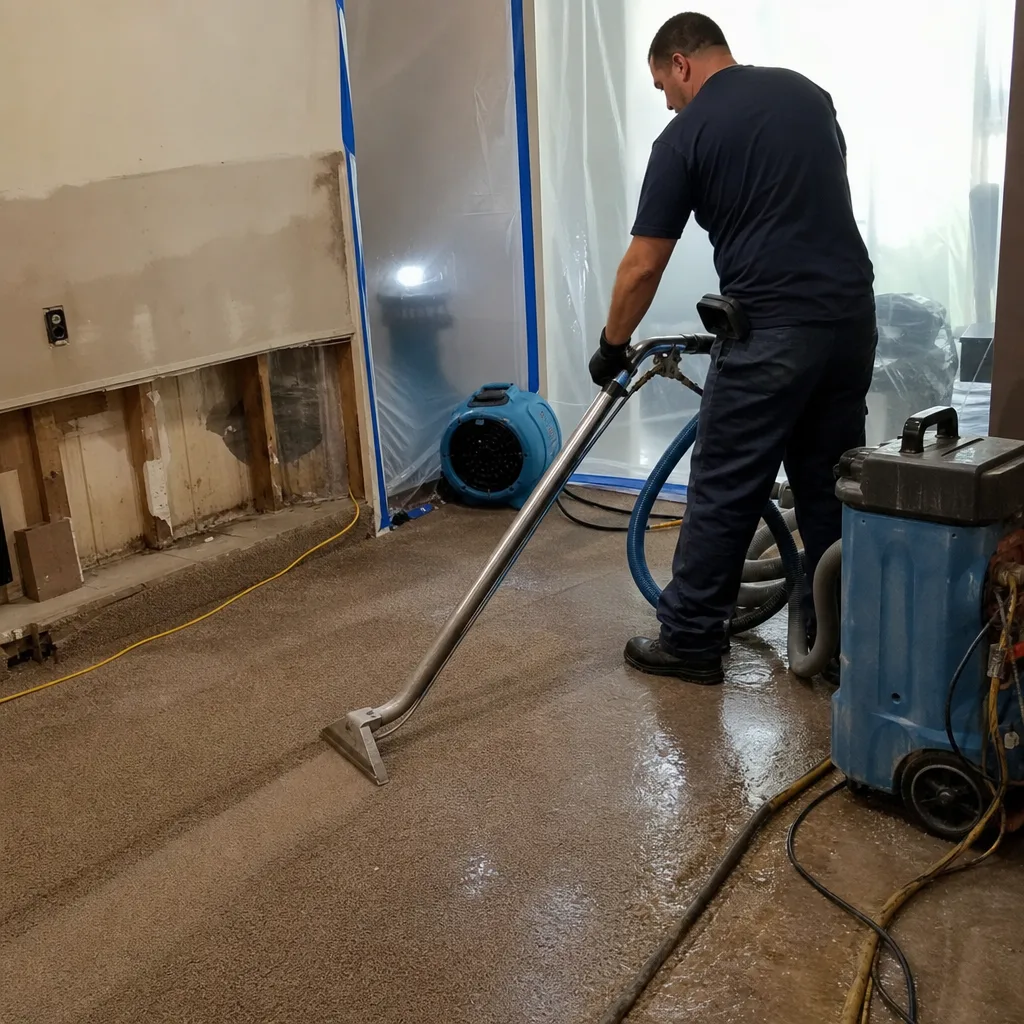
California law requires certain disclosures, but restoration-specific documentation goes further. These five documents protect you at three critical points: when work starts, when the invoice is submitted, and when the insurer questions either.
1. Written Scope of Work with Unit Measurements
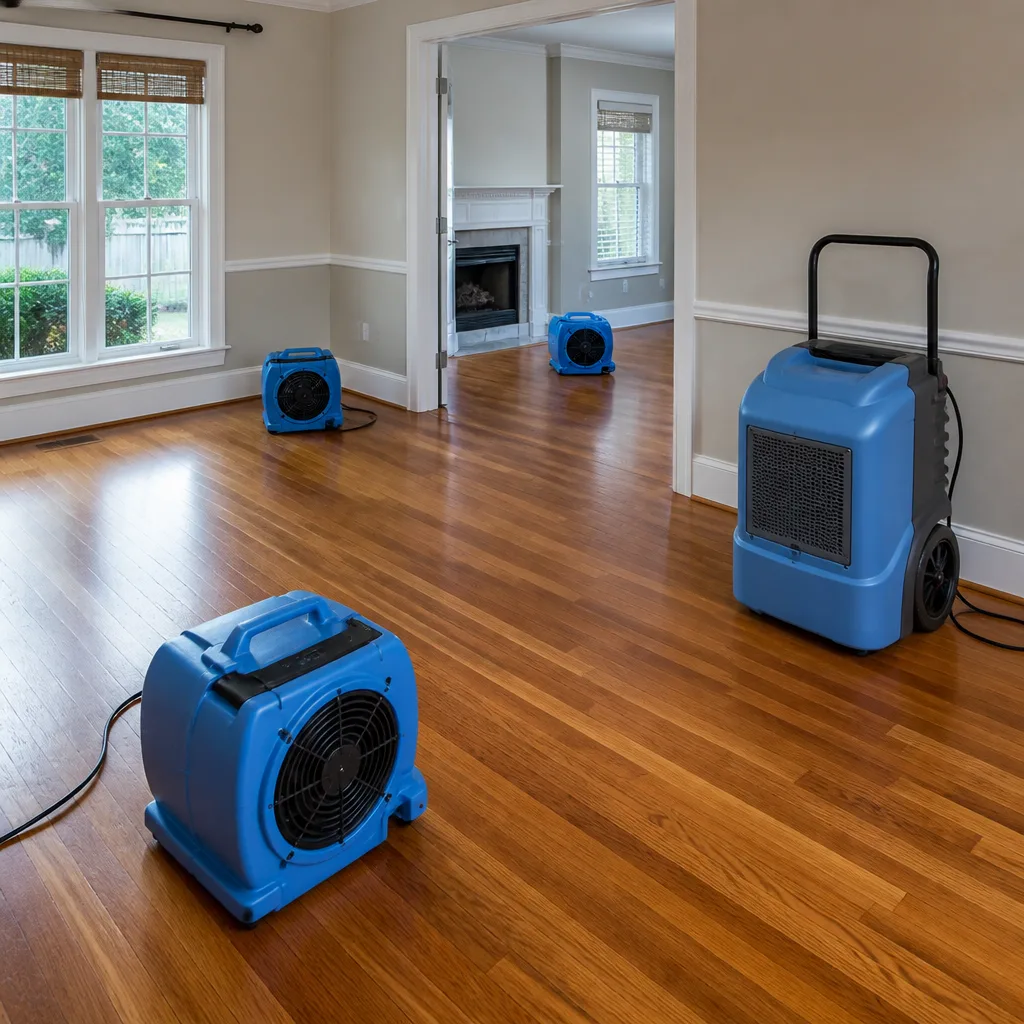
Not “dry out the living room.” Instead: “Deploy 3 Dri-Eaz LGR 7000XLi dehumidifiers and 6 Phoenix Axial Air Movers in 312 square feet affected living room; remove 18 linear feet of saturated baseboard; create 4 square feet of inspection openings in drywall at 12-inch height to verify cavity dryness.”
Unit measurements matter because they create an auditable record. If your insurer disputes the dehumidifier count, the square footage justifies the equipment. No square footage, no justification, no payment.
2. Itemized Written Price
Haven Standard, Clause 1: written price before work begins, every time, with no exceptions. This is not an estimate range. It is a fixed price for the scoped work, with a change-order protocol if hidden damage is discovered. The price should itemize:
- Labor hours by task category
- Equipment type, count, and daily rate
- Materials with manufacturer and model
- Disposal fees, including City of Carlsbad green waste or hazardous waste surcharges where applicable
- Overhead and profit as separate line items (standard in restoration pricing)
3. Proof of Licensure: CSLB License Number and Classification
We’ll cover verification in the next section. For now, know that you need the actual license number on the contract, not “licensed and insured” in the footer. The classification (C-33 Painting and Decorating, B General Building, or C-10 Electrical) determines what work the contractor can legally perform and bill for.
4. Certificate of Insurance with Your Property as Additional Insured
Request a certificate naming your specific property address. This is not paranoid; it’s standard in commercial construction and should be standard in residential restoration. If a technician floods your neighbor’s unit during extraction, you want coverage certainty.
5. Sample Drying Log from a Recent Job
This is the document most contractors cannot produce. A proper drying log shows daily readings from calibrated moisture meters, psychrometric calculations, and equipment adjustments. It proves the contractor monitors drying progress rather than leaving equipment and hoping. At DryMark Restoration Carlsbad, we submit these logs with every invoice - it’s why our documentation turns restoration claims into payable insurance claims.
How to Verify a CSLB License in Under Two Minutes
California’s Contractors State License Board maintains a free lookup at cslb.ca.gov. Here’s the exact process:
- Navigate to “Check License” on the homepage
- Enter the license number from the contractor’s proposal or business card
- Review four fields: Status (must show “Active”), Classification (must match the work), Bond History (verify current), and Workers’ Compensation (required if the contractor has employees)
The classification field is where most homeowners stumble. Here’s what each relevant classification actually covers:
| CSLB Classification | What It Legally Covers | Restoration Relevance |
|---|---|---|
| C-33 Painting and Decorating | Surface preparation, painting, wallpaper, minor drywall repair | Cosmetic finishing only; cannot perform structural drying or mold remediation |
| B General Building | Construction of structures, alteration, repair; can self-perform or subcontract all trades | Full-service restoration including reconstruction; required for structural repairs |
| C-10 Electrical | Electrical systems, wiring, panel work | Fire damage electrical replacement; water damage circuit verification |
| C-20 Warm-Air Heating, Ventilating and Air-Conditioning | HVAC systems, ductwork | Smoke odor removal through HVAC, duct cleaning after fire |
A contractor performing Water Damage Restoration in Carlsbad with only a C-33 license is operating outside their legal scope if they perform extraction, structural drying, or mold remediation. We’ve seen Carlsbad homeowners discover this only when their insurer denies the invoice. Verify before you sign.
Also check the “Disciplinary Actions” tab. A contractor with recent citations for unlicensed activity or insurance fraud should end your consideration immediately, regardless of price or availability.
Red Flags in Restoration Contracts
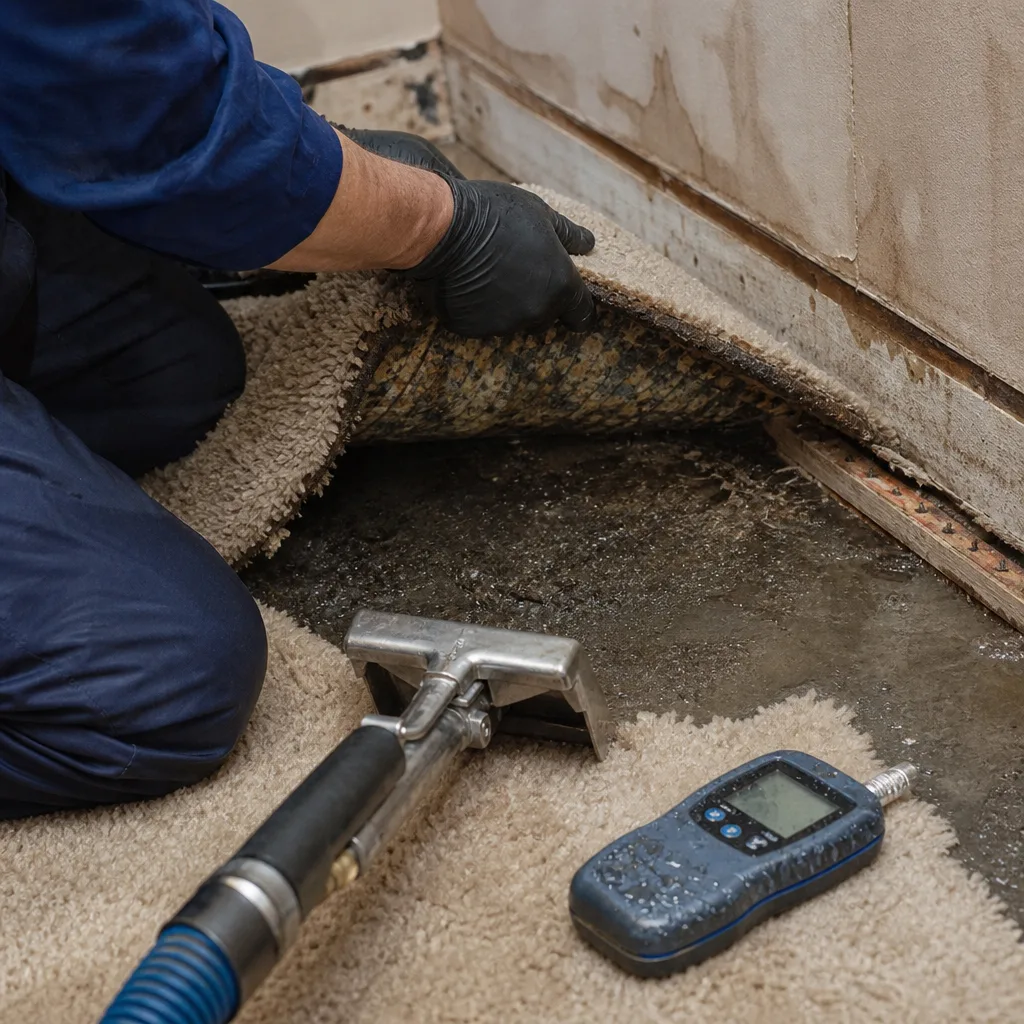
Restoration contracts in San Diego County contain specific language patterns that signal risk. These three appear repeatedly in disputed claims we’ve reviewed:
Assignment of Benefits (AOB) Clauses
An AOB transfers your insurance policy rights to the contractor, who then bills your insurer directly and can sue them for payment without your involvement. California does not prohibit AOBs outright, but they remove your control over the claim and incentivize the contractor to maximize the invoice rather than minimize your out-of-pocket cost. Never sign an AOB without legal review. At DryMark Restoration Carlsbad, we coordinate directly with adjusters while keeping you as the policyholder in control - no assignment required.
Open-Ended Pricing Language
Phrases like “time and materials,” “not to exceed,” or “estimate subject to final audit” create unlimited exposure. Haven Standard, Clause 1 exists to end this practice. A written price before work begins means exactly that: a fixed number, not a projection. If a contractor claims hidden damage makes fixed pricing impossible, request a not-to-exceed cap with a written change-order threshold (typically 10% of the original scope).
Scope-of-Work Sections Without Unit Measurements
“Remediate mold in bathroom” is not a scope. “Remove 32 square feet of mold-affected drywall per IICRC S520, HEPA vacuum 144 square feet of adjacent surfaces, apply EPA-registered antimicrobial, establish negative air pressure with HEPA filtration for 48 hours” is. Unit measurements create accountability. Their absence creates disputes.
One additional red flag specific to Carlsbad’s coastal environment: contracts that reference “standard drying” without specifying equipment CFM (cubic feet per minute) or dehumidifier pint capacity. Marine air is harder to dry against. A contractor using residential-grade equipment in a La Costa canyon home will take 2-3x longer than one with LGR (low-grain refrigerant) dehumidifiers sized to the space.
Interview Questions That Reveal Documentation Competency
Most hiring guides suggest asking about years in business or technician certifications. These are fine, but they don’t predict claim success. Ask these instead:
“Can I see a sample drying log from a recent job?”
The competent contractor produces one immediately, with daily moisture readings, equipment serial numbers, and psychrometric calculations. The unprepared contractor deflects to “we use the latest technology” or “our project managers handle that.” Deflection is data.
“What moisture meter model do your technicians carry, and how often are they calibrated?”
Acceptable answers: Protimeter Surveymaster, Delmhorst BD-2100, or Tramex Moisture Encounter, calibrated annually per manufacturer specification. Unacceptable: “we have several types” or “they’re checked regularly.” Specificity indicates process.
“What brand of drying logs do you submit to insurers?”
Professional-grade restoration software (Xactimate, Dash, or proprietary systems with IICRC-compliant formatting) indicates institutional knowledge. Handwritten notes or generic spreadsheets indicate corner-cutting that insurers notice.
“Walk me through your photo documentation protocol.”
Look for: pre-loss photos before equipment touches anything, equipment placement photos with timestamps, daily progress photos, and post-drying verification with moisture readings visible in frame. At DryMark Restoration Carlsbad, our photo record is included as standard - never an upsell - and delivered with the final invoice.
“What happens if my insurer disputes your invoice?”
The right answer: “We provide the documentation package - scope, drying log, photos, and pricing support - and work directly with your adjuster to resolve questions.” The wrong answer: “That’s between you and your insurance company.” A contractor who won’t defend their own documentation is a contractor who doesn’t believe in it.
How Insurance Coordination Should Actually Work
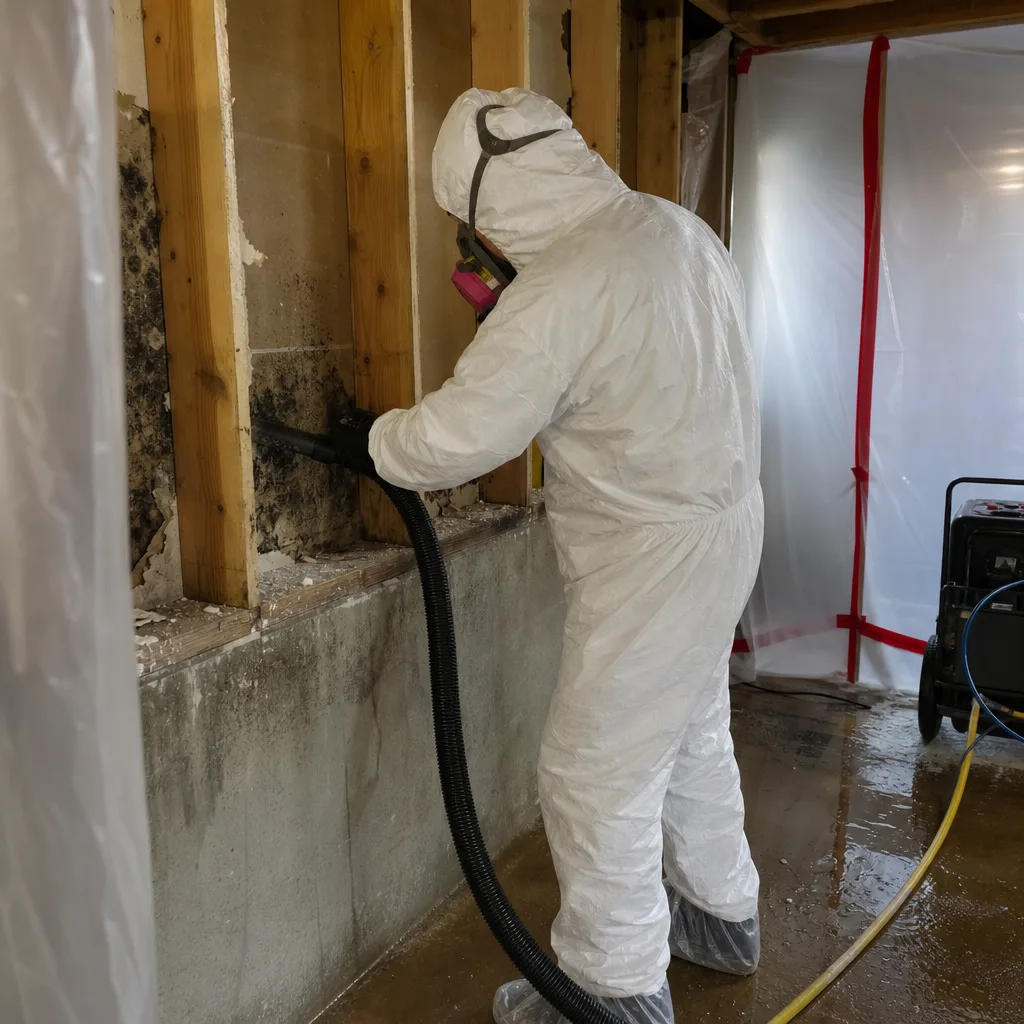
The single most damaging dynamic in restoration is the contractor who phones your insurer before giving you a written price. This signals that their primary relationship is with the settlement, not your property. Here’s how proper coordination works:
First, you receive a written scope and price before any work begins. Haven Standard, Clause 1. This is your document, not the insurer’s. It defines what will be done and what it will cost.
Second, the contractor documents everything - moisture readings, photos, equipment logs - as work proceeds. This documentation belongs to you and supports your claim.
Third, the contractor provides pricing support to your adjuster: line-item justifications, equipment specifications, and comparable regional costs. This is advocacy, not abdication. The contractor defends their own numbers because they documented their own work.
What you should never accept: a contractor who refuses to start without your claim number, who asks you to sign blank work authorizations, or who offers to “handle everything with insurance” while keeping you out of the loop. These patterns precede inflated invoices and coverage disputes.
We’ve coordinated directly with adjusters from every major carrier in San Diego County. The claims that pay fastest have one thing in common: a homeowner who demanded documentation upfront and a contractor who delivered it.
Carlsbad-Specific Considerations: Climate, Codes, and Neighborhoods
Restoration in Carlsbad differs from inland markets in measurable ways. Understanding these differences helps you evaluate contractor competence.
Coastal Humidity and Drying Protocols
Carlsbad’s average relative humidity runs 65-75% year-round, compared to 45-55% in Escondido or Ramona. This means standard drying calculations - which assume drier ambient air - underestimate equipment needs. A competent Carlsbad contractor adjusts psychrometric targets upward and extends monitoring periods. Ask specifically: “How do you modify drying goals for coastal humidity?” Vague answers indicate inland practices applied incorrectly. For seasonal guidance, see our Seasonal Damage Restoration Care for Carlsbad: Year-Round Homeowner’s Guide.
Neighborhood-Specific Building Stock
Olde Carlsbad homes (pre-1980) often contain original plaster and lath, which dries differently than modern drywall and requires different moisture meter calibration. La Costa and Aviara developments from the 1990s-2000s frequently have polybutylene plumbing, which insurers handle differently than copper or PEX. Bressi Ranch’s newer construction uses engineered subfloors that delaminate faster than solid wood when wet. A contractor who knows Carlsbad’s neighborhoods can anticipate these issues and document accordingly.
Local Permits and Code Requirements
The City of Carlsbad requires permits for electrical panel replacement after fire damage, for structural repairs exceeding specific thresholds, and for mold remediation in certain commercial occupancies. Your contractor should know which triggers apply and include permit costs in the written scope. Unpermitted work can void your insurance coverage and create title issues on sale.
Sewage and Biohazard Disposal
Carlsbad’s wastewater system connects to the Encina Water Pollution Control Facility, but Category 3 water (sewage) requires specialized disposal per San Diego County hazardous waste protocols. DryMark Restoration Carlsbad home handles this documentation as part of our standard Water Damage Restoration in Carlsbad and sewage cleanup services - the disposal manifest should be in your file.
Common Mistakes to Avoid
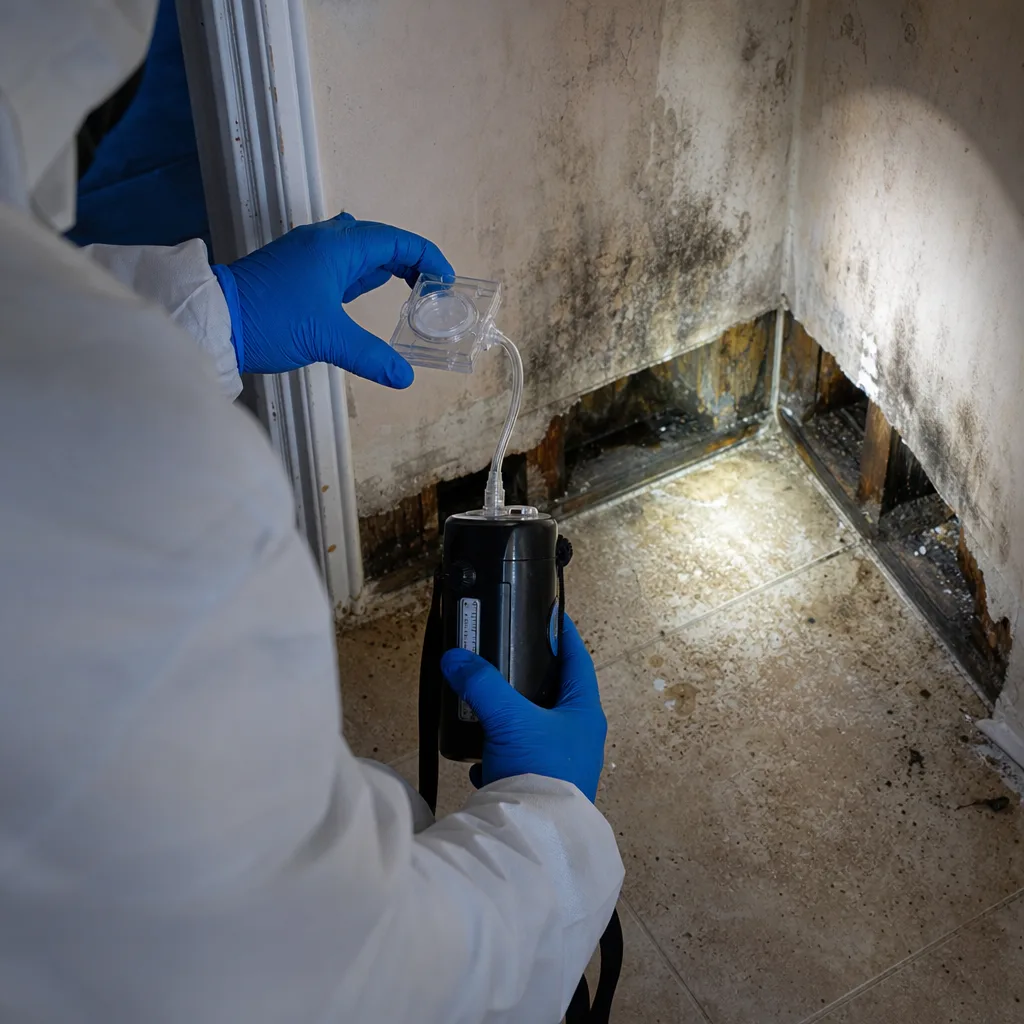
- Hiring based on arrival time alone. A 30-minute response with no documentation protocol will cost more at claim time than a 90-minute response with complete records. In Carlsbad’s traffic patterns, anyone promising under 30 minutes during rush hour is either guessing or driving unsafely.
- Accepting verbal estimates. California contractors must provide written contracts for jobs exceeding $500. Restoration jobs always exceed this. A verbal “ballpark” becomes a disputed invoice.
- Not verifying license classification. We’ve seen C-33 painters perform full mold remediation in Carlsbad, then watched homeowners absorb the cost when insurers denied coverage for unlicensed work.
- Signing contracts with assignment-of-benefits language. This transfers control of your claim to a contractor with no fiduciary duty to you. Read every page, including attachments.
- Assuming all documentation is equal. A photo of equipment in your living room proves nothing. A photo with timestamp, moisture reading, and equipment serial number proves everything. Ask to see examples.
- Neglecting to request a sample drying log. This single request eliminates more unqualified contractors than any other question. Most simply cannot produce one.
- Letting the contractor control insurer communication exclusively. You should receive copies of all documentation submitted to your adjuster, and your contractor should explain any disputes in plain language.
When to Call a Professional
Some damage scenarios require immediate professional response regardless of your research timeline. Call a licensed restoration contractor if:
- Water has affected multiple rooms or traveled through walls
- You smell musty odor after any water event, indicating likely mold
- Soot or smoke residue is visible on surfaces beyond the immediate fire location
- Sewage backup is involved - Category 3 water carries bacterial and viral hazards requiring professional PPE and disposal
- Structural elements (subfloor, wall framing, ceiling joists) are visibly saturated
DryMark Restoration Carlsbad offers free estimates in Carlsbad - call (858) 923-4372. Our live dispatch answers 24 hours a day, 7 days a week with no voicemail on emergency lines. Every estimate includes a written scope and price before any work begins, per Haven Standard, Clause 1. Explore more guides & resources on protecting your home.
Frequently Asked Questions
Typical residential water damage restoration in Carlsbad ranges from $2,800 for limited Category 1 (clean water) extraction and drying to $8,500+ for Category 2 or 3 with affected drywall, flooring, and cabinetry removal. The final price depends on affected square footage, material type, and whether reconstruction is needed. We deliver a written price before work begins on every job - call (858) 923-4372 for a free estimate with exact numbers for your situation.
Most standard homeowner policies cover sudden and accidental water damage, but coverage limits, deductibles, and exclusions vary. The key factor is documentation: a contractor who provides IICRC-compliant drying logs, photo records, and itemized pricing gives your adjuster the evidence needed to approve the full scope. We coordinate directly with adjusters and provide the documentation package that supports your claim. Call (858) 923-4372 to discuss your specific policy and damage.
Legitimate 24/7 operations in Carlsbad typically arrive within 60-120 minutes during normal conditions, longer during regional storm events when multiple properties are affected simultaneously. Anyone promising faster should explain how - and whether that speed compromises documentation quality. Our live dispatch coordinates arrival times while preparing documentation protocols in advance, so no time is lost to paperwork after we arrive.
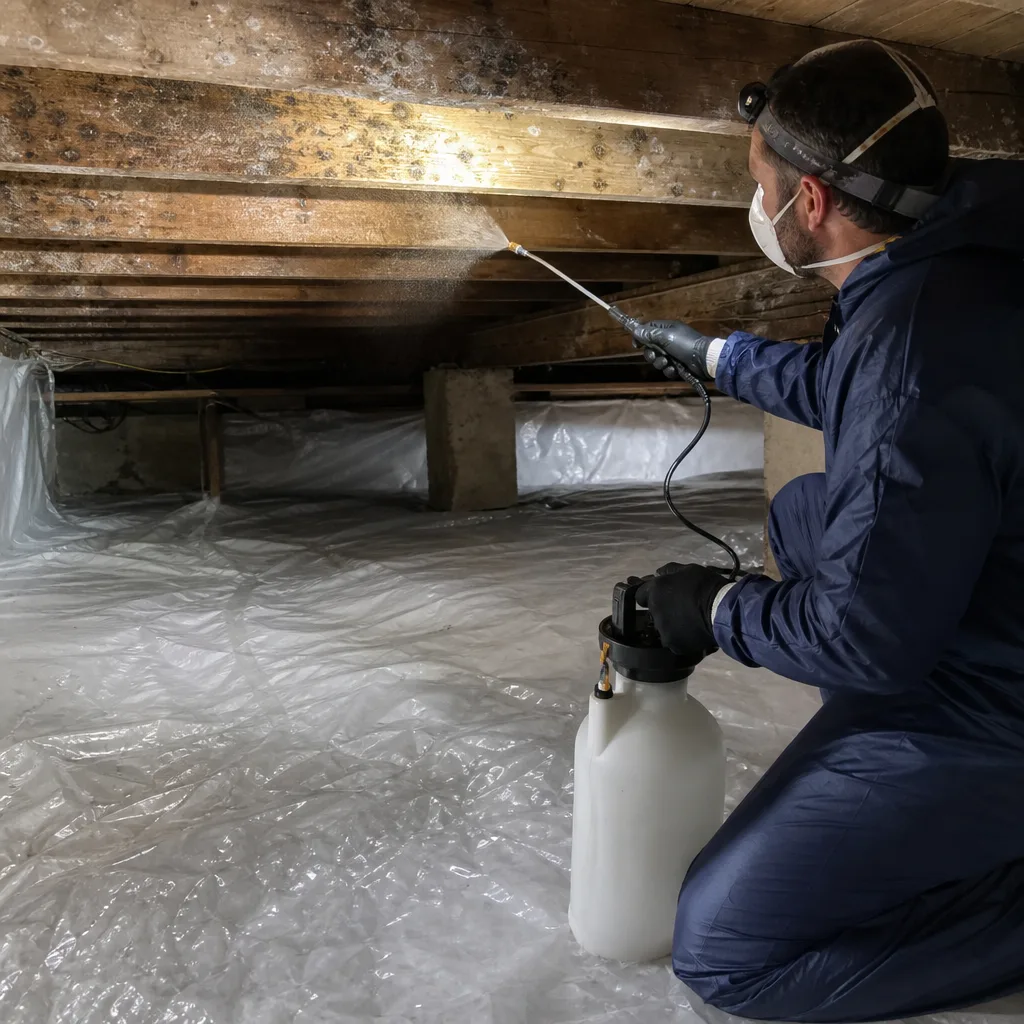
Visible mold growth exceeding 10 square feet, or any mold resulting from Category 2 or 3 water damage, requires professional remediation per IICRC S520 and California Department of Public Health guidance. Surface cleaning without source moisture elimination will fail; the underlying moisture problem must be resolved first. Mold Remediation in Carlsbad from DryMark Restoration Carlsbad includes moisture source identification, containment, HEPA filtration, and post-remediation verification - not just removal of visible growth.
Stop the water source if safely possible, turn off electricity to affected areas at the breaker panel, remove small valuables and electronics, and avoid entering rooms with sagging ceilings or standing water near outlets. Do not attempt DIY extraction with household equipment - improper technique can drive water deeper into subfloors and wall cavities, expanding the damage. Document conditions with your own photos for comparison with the contractor’s pre-loss documentation.
You retain control; the contractor provides advocacy. We recommend you notify your insurer promptly, then authorize your contractor to share documentation directly with your assigned adjuster. This keeps you informed while leveraging the contractor’s technical knowledge to justify the scope and pricing. Never sign an assignment of benefits that transfers your policy rights to the contractor. At DryMark Restoration Carlsbad, we coordinate with adjusters while keeping you as the policyholder in full control.
The Bottom Line
Hiring a restoration contractor in Carlsbad is a documentation decision, not a personality contest. The five documents - written scope, itemized price, verified CSLB license, certificate of insurance, and sample drying log - separate contractors who protect your claim from those who jeopardize it. Verify license classifications match the work. Reject assignment-of-benefits clauses and open-ended pricing. Ask specific questions about moisture meters, drying logs, and photo protocols. The contractor who welcomes this scrutiny is the one who has nothing to hide.
We’ve operated under The Haven Standard since 2011 because we’ve seen what sloppy documentation costs homeowners. Written price before work begins. Photo record on every visit. Drying logs that turn invoices into payable claims. These aren’t slogans; they’re the conditions under which we accept any job.
Call (858) 923-4372 for a free estimate. We’ll show you the documentation before we show you the equipment.
Written by Alicia Brennan, Owner at DryMark Restoration Carlsbad, serving Carlsbad since 2011.